Last updated November 23, 2026
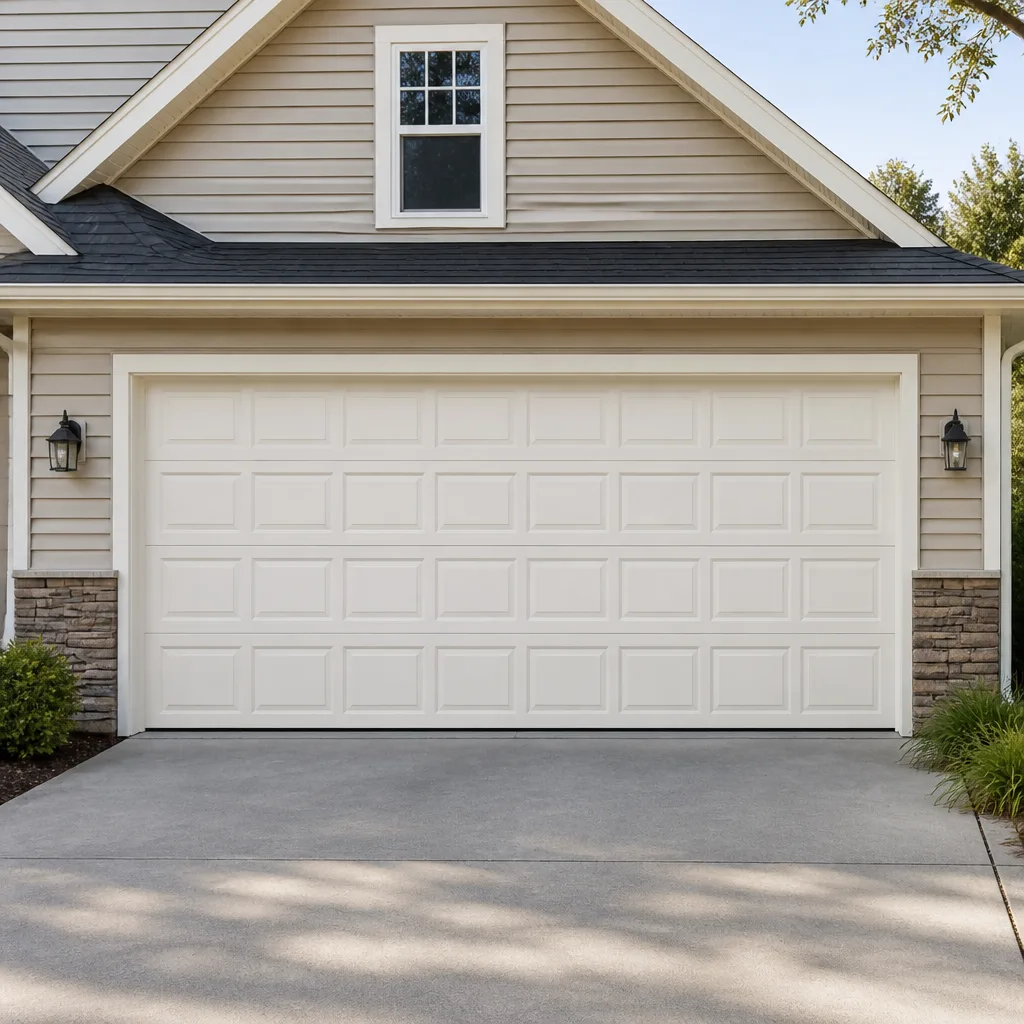 Raised-panel steel
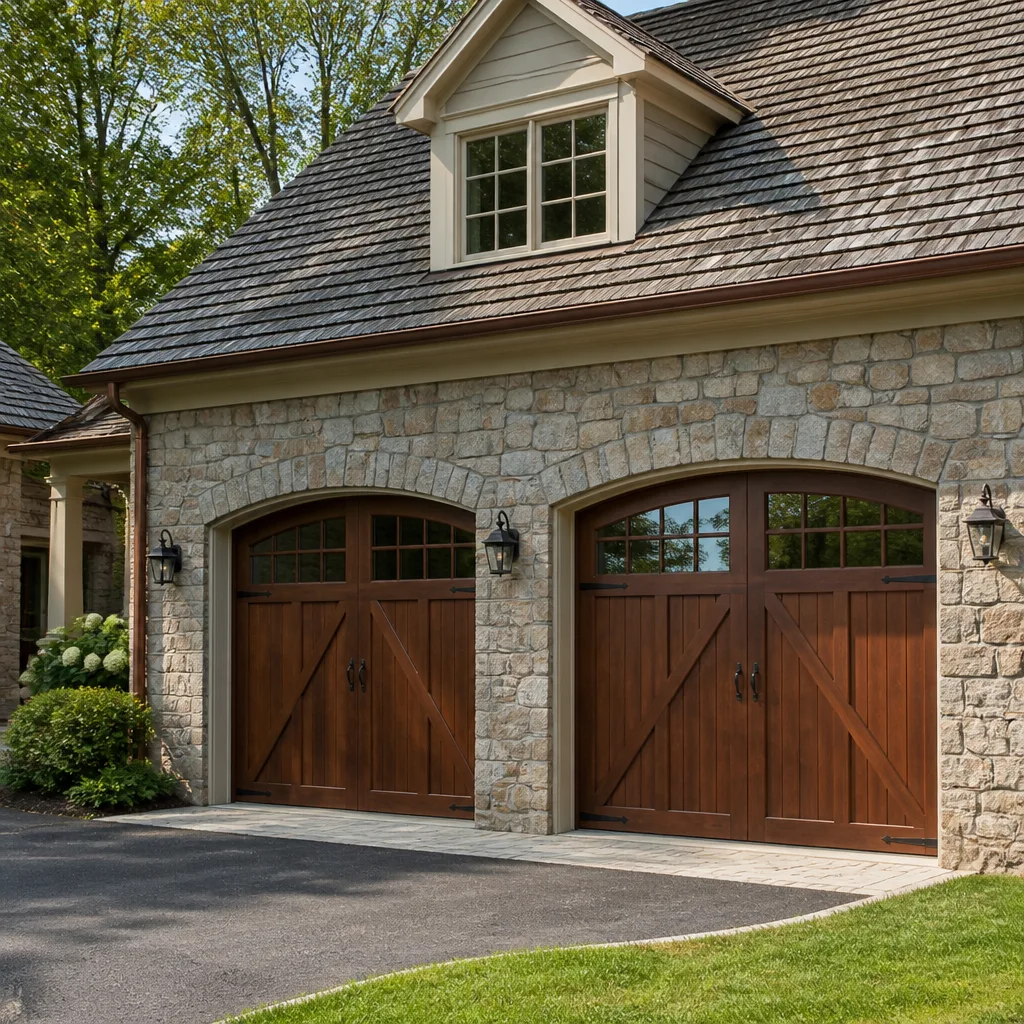 Carriage house
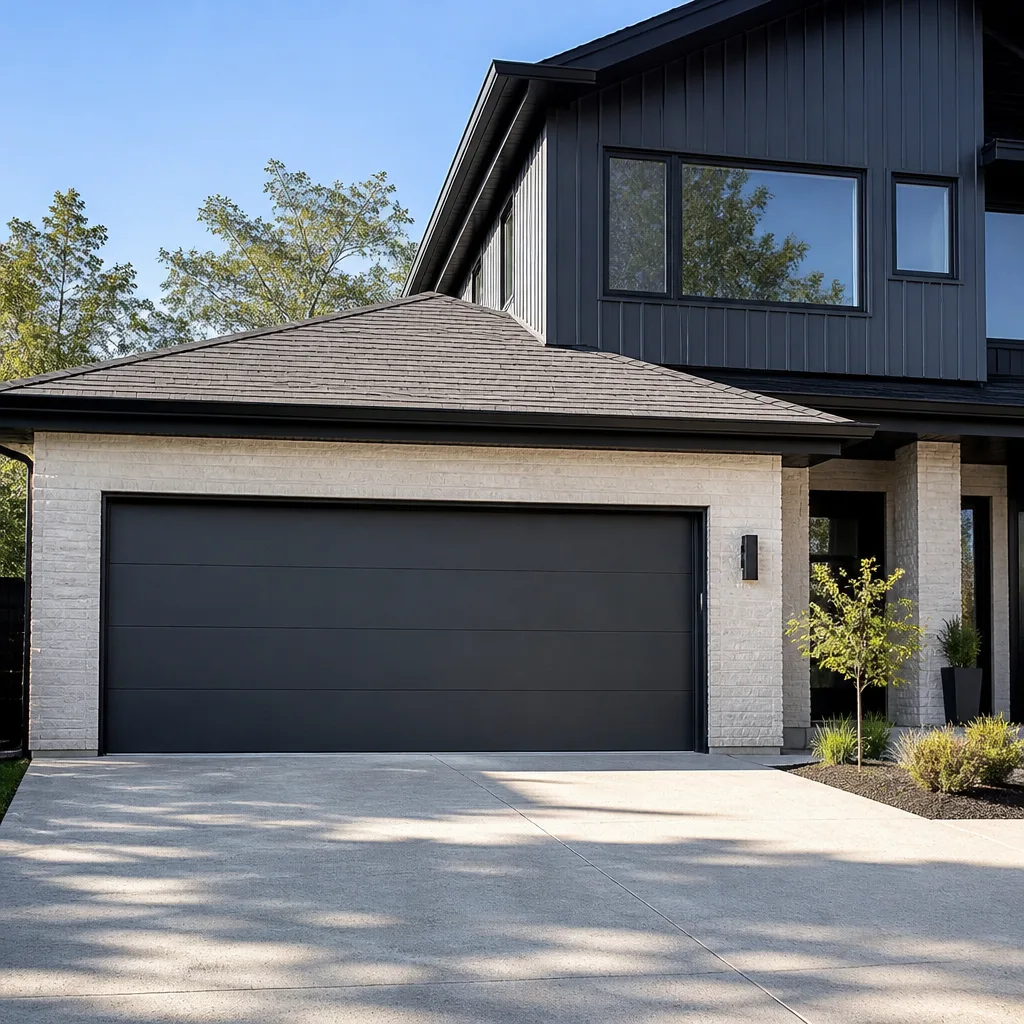 Modern flush
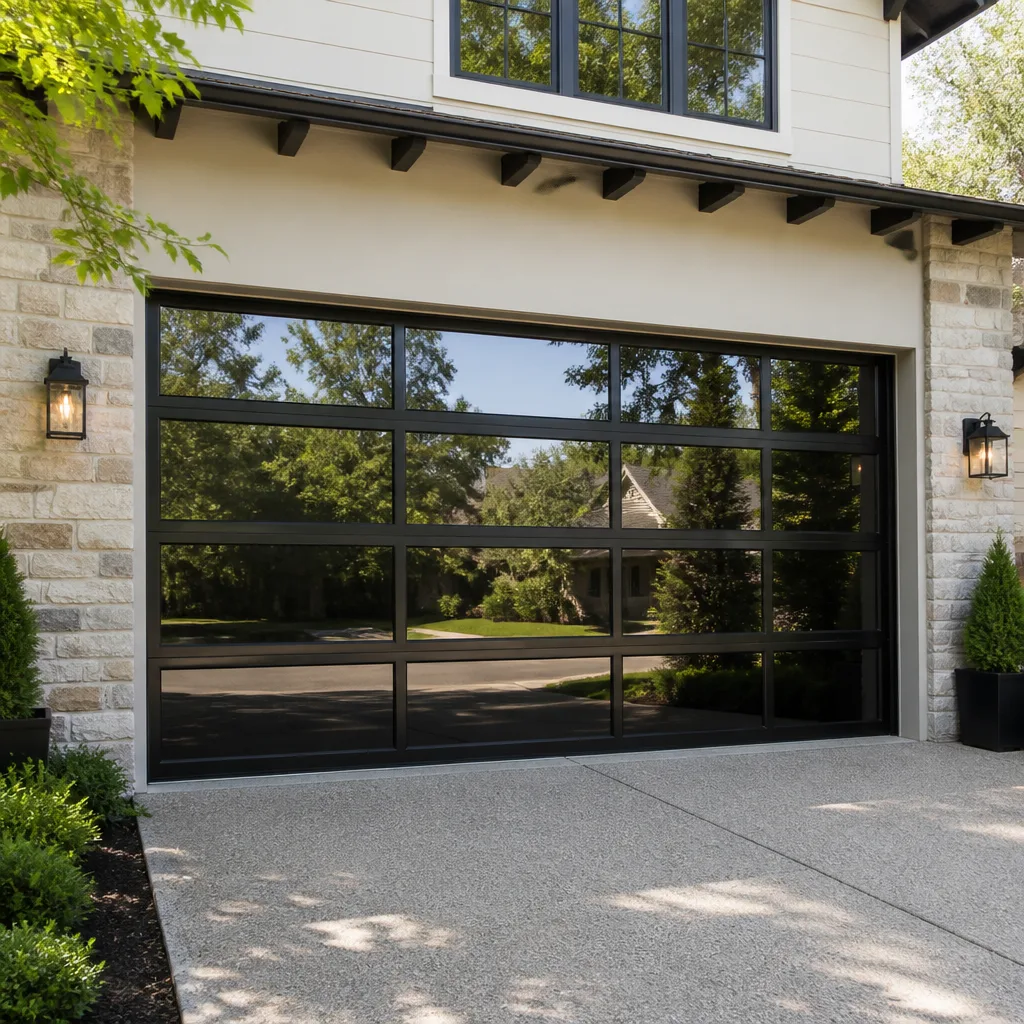 Full-view glass
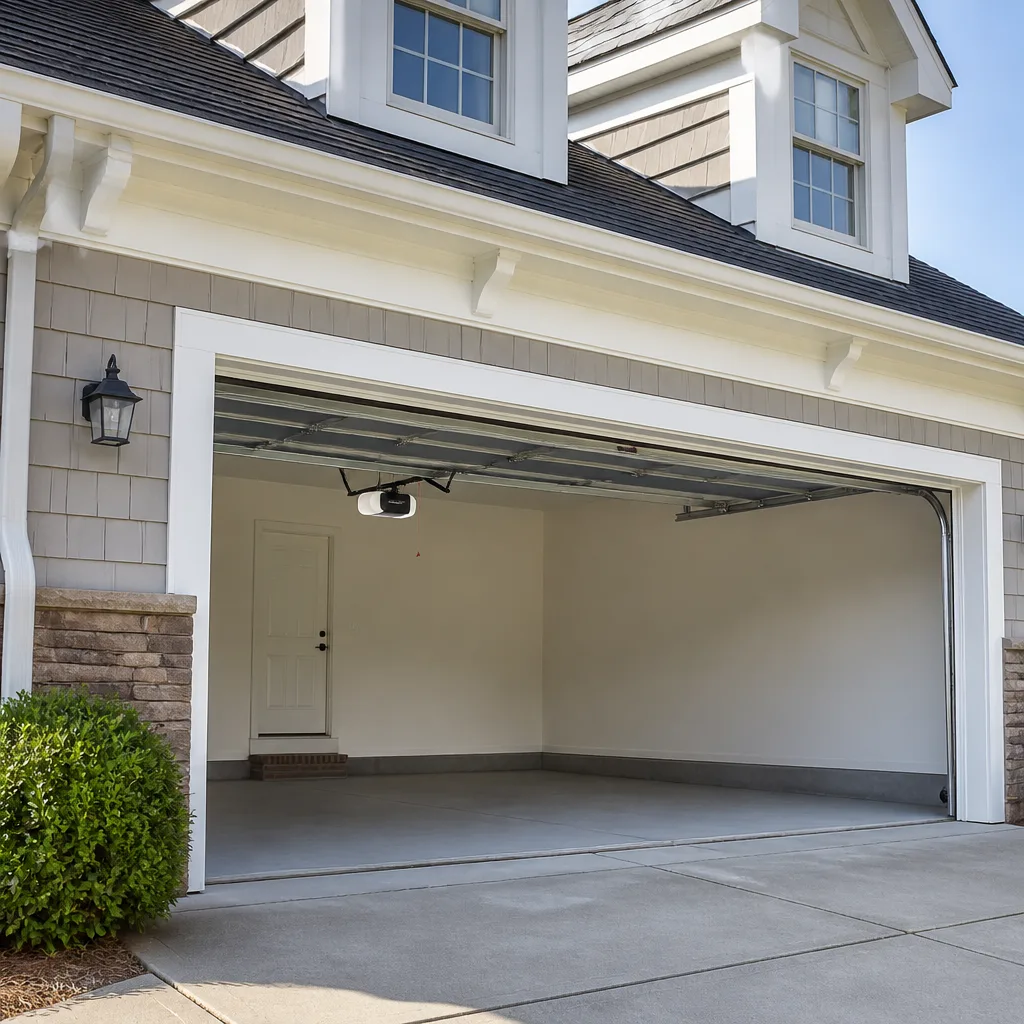 LiftMaster openers
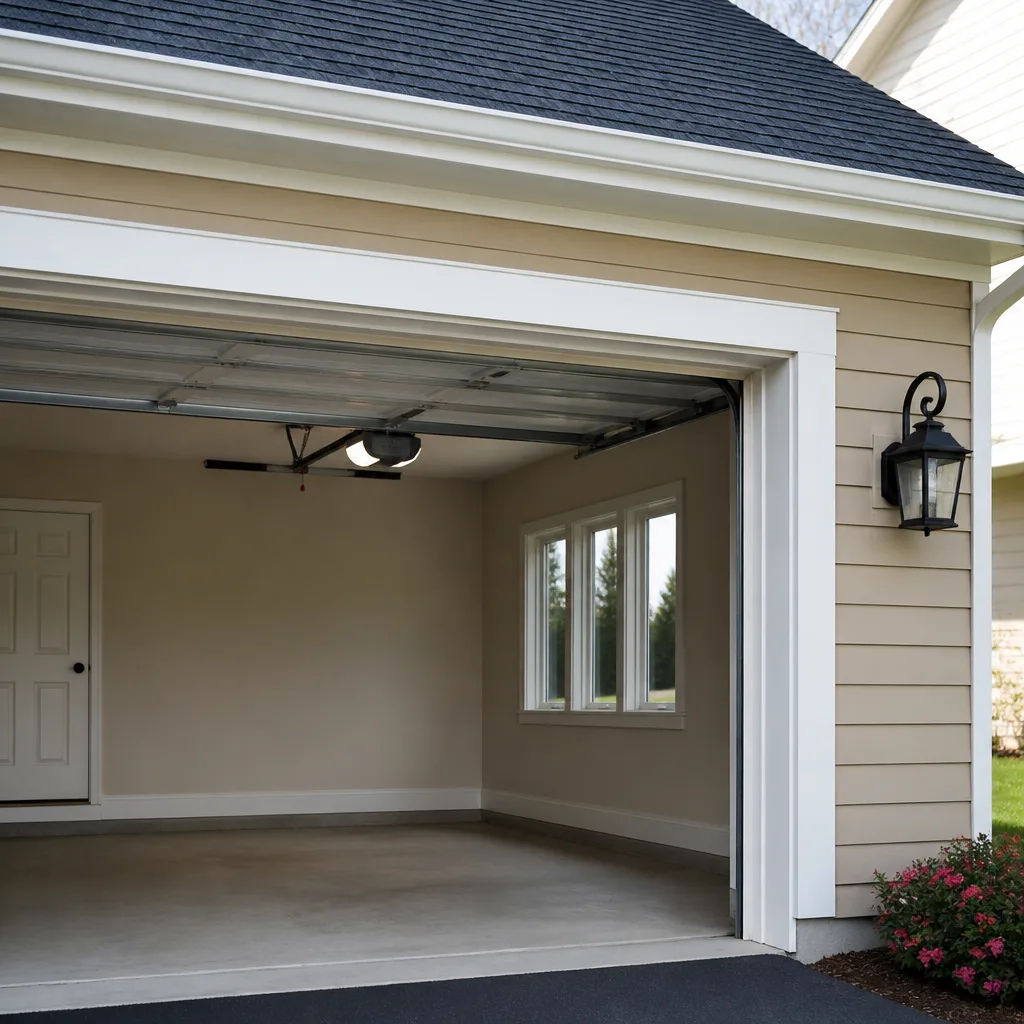 Chamberlain openers
Full 25-point door and opener safety check with every visit - springs, cables, rollers, tracks, and your LiftMaster or Chamberlain opener included
You get a price before we start. It does not change when the pro arrives.
Get your free estimateGarage Door Permits, Codes & Inspections in Duluth, GA: What You Need to Know
Here’s a fact that surprises most Duluth homeowners: replacing a garage door usually needs no permit at all. But change the opening size, add a new electrical circuit for an opener, or touch the structural header above the door, and you’ve quietly crossed into territory that requires county approval. That gap between “no permit needed” and “permit definitely needed” is where real estate closings stall and insurance claims get questioned. In this guide we lay out exactly what triggers a permit in Gwinnett County, how Duluth’s HOA covenants run alongside county rules, what wind-load specs your new door should carry, and what a clean installation record looks like. It’s the paperwork side of garage doors, and it matters more than most people realize.
Quick Answer
Most garage door replacements in Duluth, GA do not require a building permit, because swapping a door of the same size and type is considered ordinary replacement work. You will likely need a permit if the job changes the structural opening, adds or rewires an electrical circuit for the opener, or alters the header or framing. HOA architectural review is a separate approval that runs at the same time as county permitting, not instead of it. When in doubt, call the City of Duluth or Gwinnett County building department and describe the job in plain terms.
Styles & brands we work with
- Raised-panel steel
- Carriage house
- Modern flush
- Full-view glass
- LiftMaster openers
- Chamberlain openers
Table of Contents
- What Triggers a Garage Door Permit in Duluth, GA?
- Opener Circuits and the Electrical Work Nobody Warns You About
- Georgia Wind-Load Requirements and Door Specs That Satisfy Them
- HOA Approval in Duluth’s Covenant-Heavy Neighborhoods
- What an Inspection Actually Checks
- What a Compliant Installation Record Looks Like
- How Unpermitted Work Surfaces During a Home Sale
- Working With a Contractor on Permits and Paperwork
What Triggers a Garage Door Permit in Duluth, GA?
A garage door permit in Duluth is triggered by structural or electrical change, not by the act of replacing a door. That’s the single most useful distinction for homeowners, and it’s the one most people get wrong in both directions: some over-permit a simple swap, and some skip the permit on a job that genuinely needed one.
Gwinnett County administers building code enforcement for most projects inside Duluth, and the City of Duluth handles its own zoning and some local reviews. For garage door work, the practical threshold comes down to whether the project changes the building envelope or its electrical system. Here’s how we break it down for homeowners:
Usually no permit required:
- Replacing a door with one of the same width, height and general type
- Replacing torsion or extension springs, cables, rollers or hinges
- Replacing an opener with a unit of the same type on the existing circuit
- Replacing weather seal, bottom rubber or trim on the same opening
Permit very likely required:
- Widening or heightening the rough opening, which involves cutting into the header and re-framing
- Changing the structural header or load path above the opening
- Converting a wall to a garage opening, or the reverse
- Running a new dedicated electrical circuit for an opener or adding a subpanel
- Any change that touches the structural frame of the house
The test we use: if the job removes or alters part of the home’s structure, it’s permit territory. If it’s a component swap inside an opening that stays the same, it usually isn’t. Because code language is written for contractors and inspectors, the safest move for a Duluth homeowner is a two-minute phone call to the county building department describing the specific change. They will tell you yes or no, and that answers the question better than any website can.
One local wrinkle: Duluth has a mix of older ranch homes and newer construction, and the older homes in and around downtown Duluth sometimes have non-standard opening sizes that require custom doors. A custom door that matches the existing opening is still replacement work. A job where the opening itself gets adjusted is not.
Opener Circuits and the Electrical Work Nobody Warns You About
Electrical work is the permit trigger most Duluth homeowners never think about. A new garage door opener usually doesn’t require electrical permits when it plugs into an existing outlet or ties into an existing circuit with the same load. But modern openers, particularly belt-drive units from brands like Chamberlain and Genie, sometimes need a dedicated circuit, especially when paired with Wi-Fi modules, battery backup or an exterior keypad. The moment a contractor runs new wire from the panel to the garage, you’ve entered permitted electrical work.
This matters because unpermitted electrical work is easy to spot later. In our experience, there are four common ways it surfaces:
- A home inspector opens the electrical panel and finds a breaker feeding garage circuits with no permit record, and the buyer’s agent asks for documentation.
- The garage has a junction box with no cover plate, exposed Romex stapled poorly, or a spliced extension cord feeding the opener – all signs of DIY electrical that a licensed electrician didn’t touch.
- The ceiling outlet the opener plugs into traces back to a circuit that also feeds several rooms, which is a load issue and a code concern.
- An insurance adjuster reviewing a claim after a garage fire or an electrical fault asks for the permit history on any recent garage work.
None of these are hypothetical. The garage is the most commonly self-wired room in a house, and it’s also where a fire is least likely to be noticed. If your opener installation involves new wiring, use an electrician for the electrical side and let a garage door specialist handle the door and opener. We’re happy to work alongside a licensed electrician on jobs in Duluth where the circuit is being added; that division of labor keeps each side of the work done properly.
If the opener itself has failed, that’s a different job entirely, and our garage door opener repair page covers what we diagnose and fix across all the major brands.
Georgia Wind-Load Requirements and Door Specs That Satisfy Them
Georgia adopts the International Residential Code, and that adoption includes wind-load design requirements for exterior components, including garage doors. This is where a replacement door becomes more than a cosmetic upgrade. Wind-load specs describe how much pressure a door can resist without buckling, and a door that isn’t rated for your area’s wind zone can fail in a storm in ways that compromise the structure around it.
For Duluth, the practical guidance is:
- Ask the manufacturer for the door’s wind-load rating and confirm it matches the design pressure your home requires. A reputable installer will supply this in writing.
- For most replacement jobs in Duluth, a standard rated door meets the requirement, but heavier doors or wider openings may need reinforced struts, heavier gauge track or upgraded hardware.
- Reinforced doors, struts and heavy-duty hinges are what actually hold the door against wind pressure. They aren’t upgrade sales pitches, they’re the load path.
- Impact-resistant glazing is worth considering on any door with windows, since glass panes are the weak point in most wind events.
We bring this up because Duluth occasionally gets strong summer thunderstorms and the outer bands of tropical systems moving inland, and wind damage to garage doors is one of the most common storm claims on residential property. An adjuster looking at a failed door will ask whether it was rated for the design pressure. If you can produce the manufacturer’s spec sheet, that conversation is short. If you can’t, it gets long.
Doors from Clopay and Amarr both publish wind-load documentation you can keep on file, and we ask for it on every installation we handle. If you want a door spec’d correctly for your home’s opening and wind requirements, that starts with a measurement and a written proposal, not a same-day promise.
HOA Approval in Duluth’s Covenant-Heavy Neighborhoods
Duluth has a substantial share of neighborhoods governed by homeowner associations, and those covenants run parallel to county permitting. Passing the county process does not satisfy the HOA, and HOA approval does not substitute for a permit where one is required. They are two independent approvals, and a Duluth homeowner can pass one and fail the other without realizing it.
Here’s a typical sequence for a garage door replacement in an HOA neighborhood in Duluth:
- Read the covenants for exterior change language. Most HOA documents address doors, colors and materials specifically.
- Submit an architectural review request with the door model, color, material, and often a photo or rendering of how it will look from the street.
- Wait for written approval before ordering. Verbal approval from a board member isn’t the same document, and it doesn’t hold up at resale.
- Confirm county permit requirements separately with the building department.
- Complete the installation and keep both the HOA approval letter and any county permit documents together.
Covenants vary widely, but a few themes come up again and again in Duluth: color restrictions that require a door to match or complement the house trim, prohibitions on certain window styles on street-facing doors, and rules about the number of visible panels. Some neighborhoods also have design review deadlines or seasonal windows for exterior changes, which is worth checking before you get your heart set on a particular door. None of this is unusual, but it does mean a garage door replacement in Duluth can take longer from decision to install than it would in an ungoverned neighborhood. Plan for it. A free measure and written quote takes a couple of days; HOA review may take several weeks.
What an Inspection Actually Checks
When a garage door project does require a permit, the inspection process is straightforward and predictable. The inspector is confirming that the work as built matches the work as permitted, and that the safety features meet code. Here’s what typically gets looked at:
- Structural changes: Header size, framing connections, and whether the opening matches the approved drawings.
- Electrical: Circuit size, breaker protection, box fill, grounding, and whether the opener circuit is on the correct breaker.
- Openers with safety features: The auto-reverse function on contact, and the photoelectric safety eyes on the correct height and alignment. Inspectors do test these.
- Door and hardware installation: Proper track anchoring, hardware engagement and spring system integrity. An inspector will confirm the spring system is enclosed and safe, even if they aren’t checking spring tension by hand.
- Wind-load documentation: For permitted projects, the inspector may ask for the door’s rating documentation on file.
A couple of practical notes. First, the inspector won’t ask for workroom-floor level detail, but they will ask for the documentation you promised in the application, so keep it together. Second, if the inspection turns up a deficiency, it’s usually small: a missing cover plate, a safety eye out of alignment, a header that doesn’t match the drawing. Correcting it is quick if you have a contractor who can come back out. That’s one reason we recommend using a company that handles both the door and the paperwork and can return for a reinspection without drama.
Our technicians have up to 9 years of experience and are used to coordinating with inspectors on jobs across Duluth. Inspections aren’t adversarial; they’re a checklist, and the checklist works best when everything’s submitted properly the first time.
What a Compliant Installation Record Looks Like
The paperwork from a garage door installation is worth keeping together for as long as you own the home. A complete record for a Duluth project usually includes:
- The written proposal and invoice showing door make, model, size and color.
- The manufacturer’s wind-load documentation and, where applicable, the product data sheet.
- Any county or city permit and the inspection sign-off, if a permit was required.
- The HOA architectural approval letter and any accompanying design documents.
- The opener’s manual and warranty registration, plus the installation date.
- The installing contractor’s contact information and any warranty terms in writing.
Why keep this? Three reasons. First, insurance: if a storm damages the door, an adjuster is going to want to know what was installed and when. A complete record makes a storm claim a paperwork exercise instead of a debate. Second, resale: disclosure forms in Georgia ask about permitted work and known unpermitted work, and a clean file lets you answer honestly and quickly. Third, warranty: door and opener warranties usually require professional installation, and the record is the proof.
If you’ve owned a home in Duluth for a while and don’t have the installation record, a garage door professional can typically inspect the door and opener and produce documentation of what’s currently installed. It’s not the same as the original install record, but it’s a great deal better than nothing when a claim or a sale comes up.
How Unpermitted Work Surfaces During a Home Sale
Garage door work is not where most unpermitted projects are discovered, but it’s where they’re discovered most awkwardly. Here’s how it typically plays out in a Duluth transaction:
A buyer’s home inspection flags a new-looking opener installation or a door that doesn’t match the age of the house. The buyer’s agent asks for permit documentation on the electrical work. There isn’t any. The appraiser, comparing records from the county, sees no permit on file. The seller’s agent tries to smooth it over, but the conversation drags. Meanwhile the closing deadline is getting closer.
What makes unpermitted electrical work especially sticky is that the buyer’s lender may require documentation before financing. This is not a matter of someone being difficult; lenders want to know that the property’s systems are as they appear to be. A permit number and an inspection sign-off resolves it. An offer to “just remove the opener” doesn’t.
If you’re selling a Duluth home and you know the garage work was done without a permit, the cleanest path is to have the work inspected and permitted retroactively where allowed, or to disclose it up front with a plan to correct it. Buyers are far more receptive to a problem with a plan than to a surprise. If a buyer discovers it on their own, the negotiation changes character. We’ve seen a few Duluth sellers go through this; the ones who disclosed early had a smoother close every time.
Working With a Contractor on Permits and Paperwork
The relationship between a homeowner and a garage door contractor should include a clear agreement on who’s pulling permits, who’s filing with the HOA, and what documentation you’ll receive at the end. Putting that in writing before the work starts saves weeks of confusion.
The questions worth asking a contractor in Duluth:
- Which parts of the project require a permit, and who files for it?
- What documentation will I receive when the job is done? Will it include wind-load specs and the door’s model sheet?
- If electrical work is needed, who is doing it, and are they handling the electrical permit?
- Can you supply sample installation records from other Duluth jobs?
- What happens if the county inspector flags something? Who returns for reinspection?
A straight answer to those questions distinguishes a contractor who’s done a couple of installations from a specialist who does this every week. Some jobs involve only the door; others require coordination with an electrician, the county, and the HOA. Getting all three lined up on the front end keeps the installation on schedule.
If you’re ready to start on the door itself, our garage door repair team can assess what you have and what a compliant replacement looks like. And if your current door has failed and you need a fast answer, garage door spring repair is the specialty we handle most often.
Common Mistakes to Avoid
- Assuming every replacement needs a permit. In Duluth, a same-size replacement usually doesn’t. Over-permitting wastes time and money, but the more important issue is that homeowners then skip the process on the jobs that genuinely require one, like widening an opening or adding a circuit.
- Getting HOA approval and calling it done. The HOA and the county are two separate approvals. In many Duluth neighborhoods homeowners assume the architectural review covers everything, and then a buyer’s inspector asks about a county permit that was never pulled.
- Self-installing a new opener on an existing circuit without checking the load. A modern opener with Wi-Fi, battery backup or an exterior keypad can exceed an older circuit’s spare capacity. Confirm the circuit is sized for the load, or have an electrician size it.
- Skipping the wind-load documentation. A replacement door without a rated spec sheet may satisfy no one after a storm. Ask for the manufacturer’s documentation before the door arrives, not after.
- Discarding the install record. Duluth homes change hands, and the buyer’s home inspector will look for documentation. Keep the door and opener paperwork with the same file as your survey and HVAC records.
- Assuming an unpermitted past job can’t be fixed. Many unpermitted garage door and opener projects can be inspected and permitted retroactively where code allows. Getting in front of the problem early matters more than the paperwork itself.
- Treating the spring system as a DIY item. Garage door springs are the highest-tension component on the door and spring work is dangerous without the right training. That’s a call-a-professional job, full stop, and it’s the specialty we handle more than any other.
See the difference
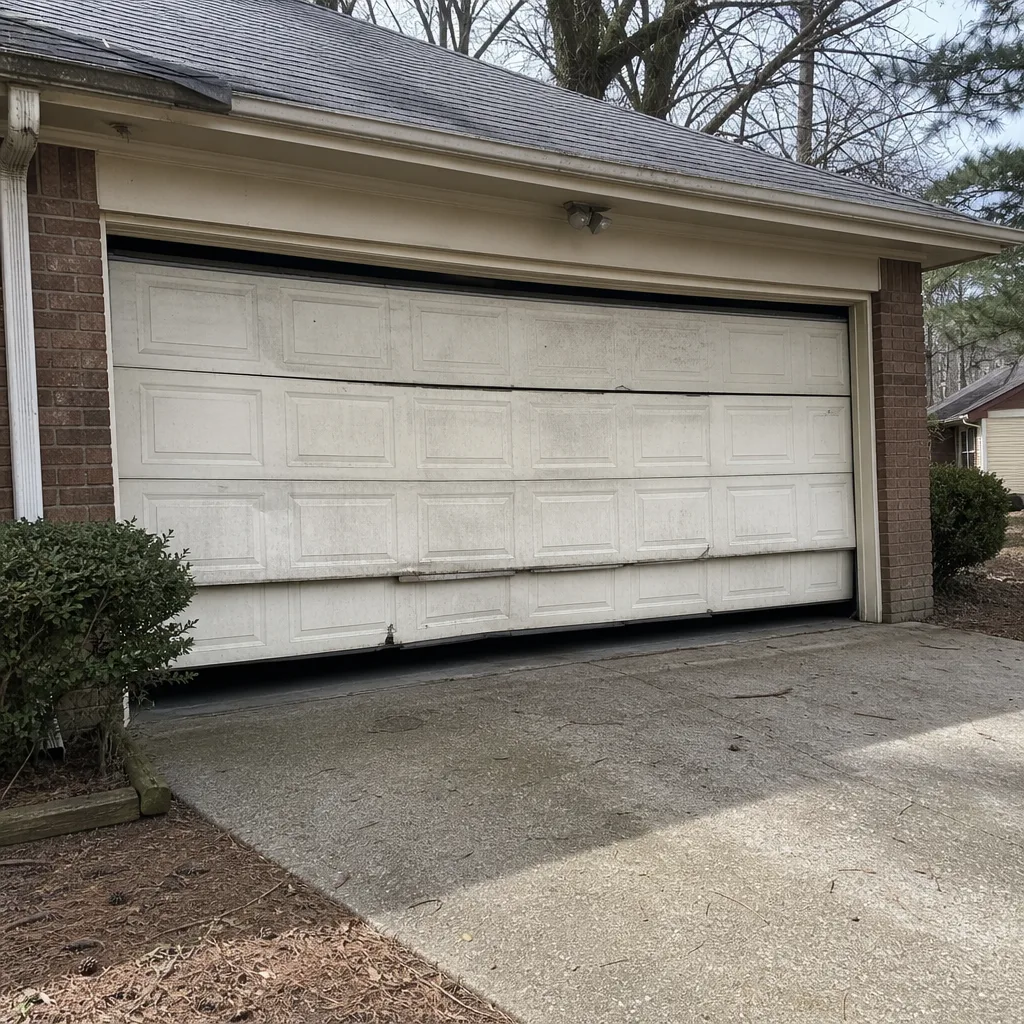 Before
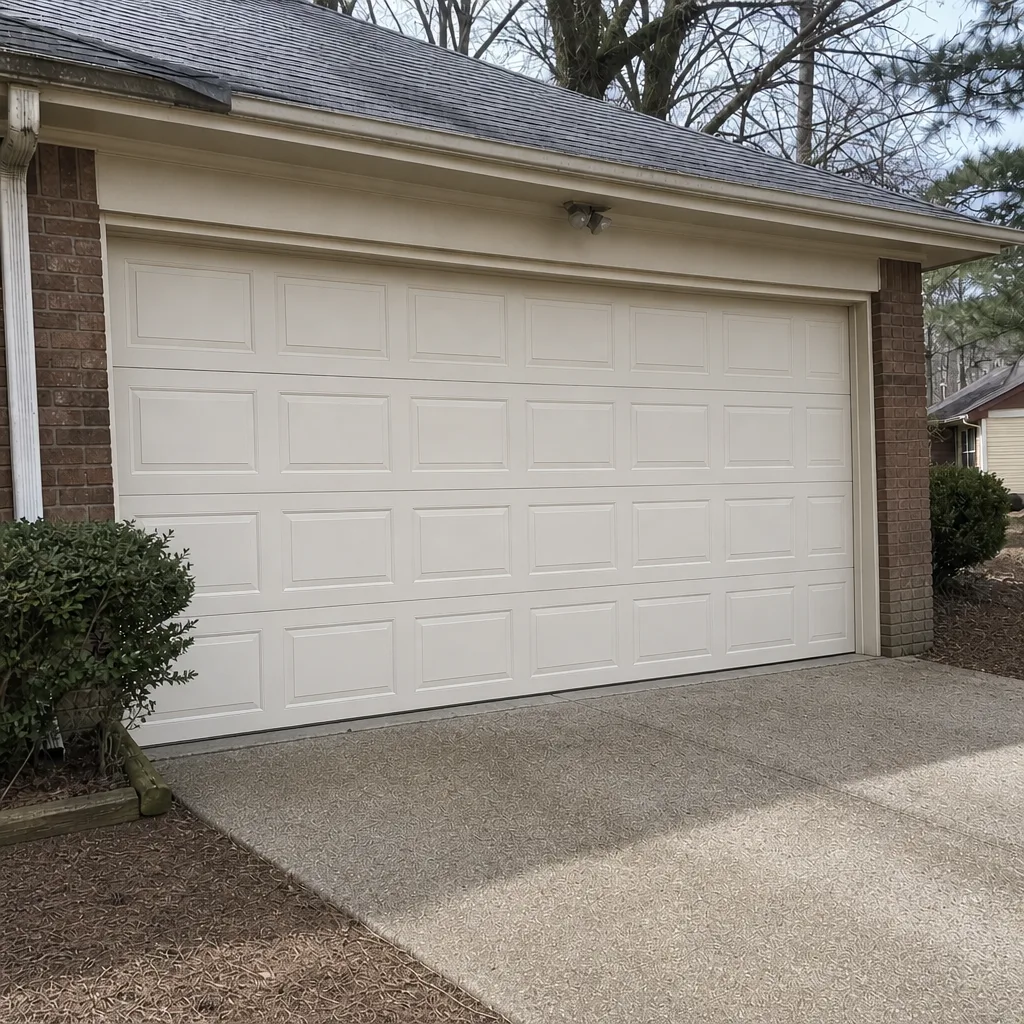 After
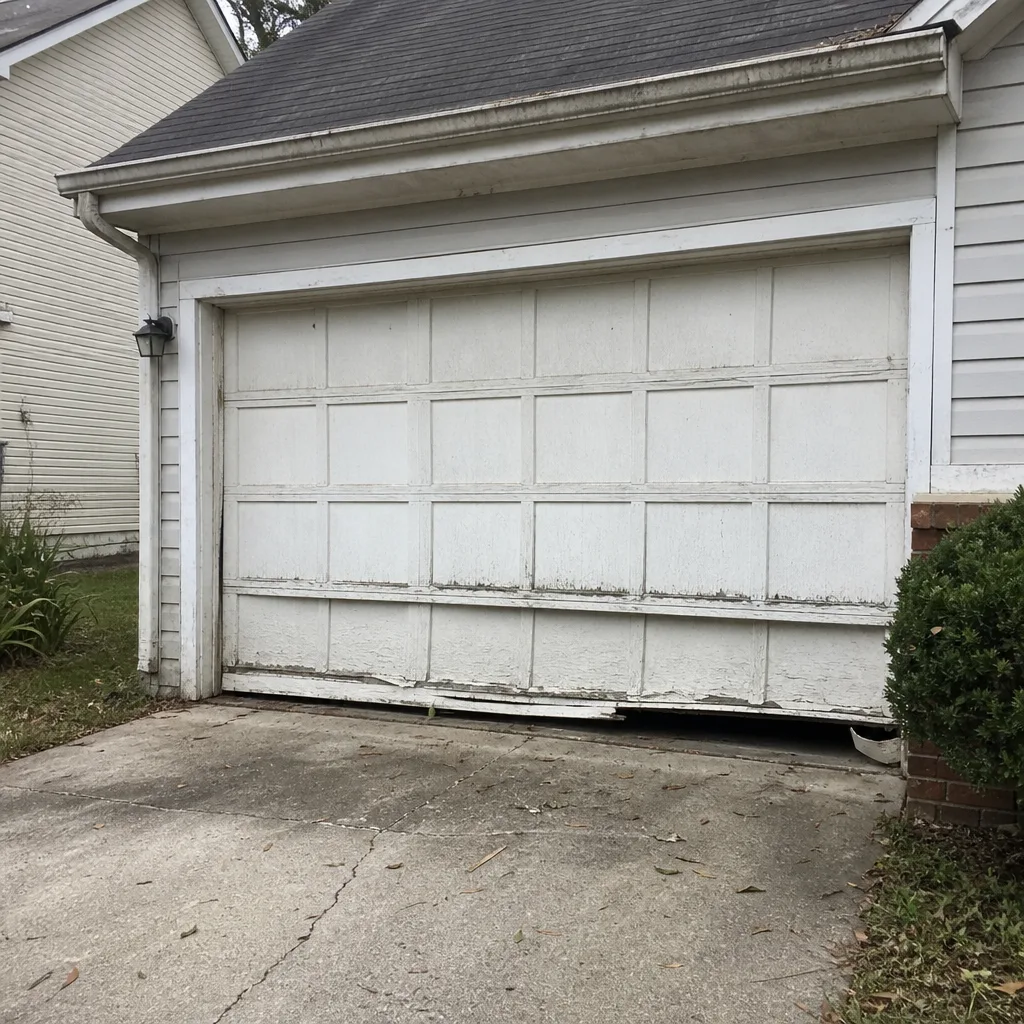 Before
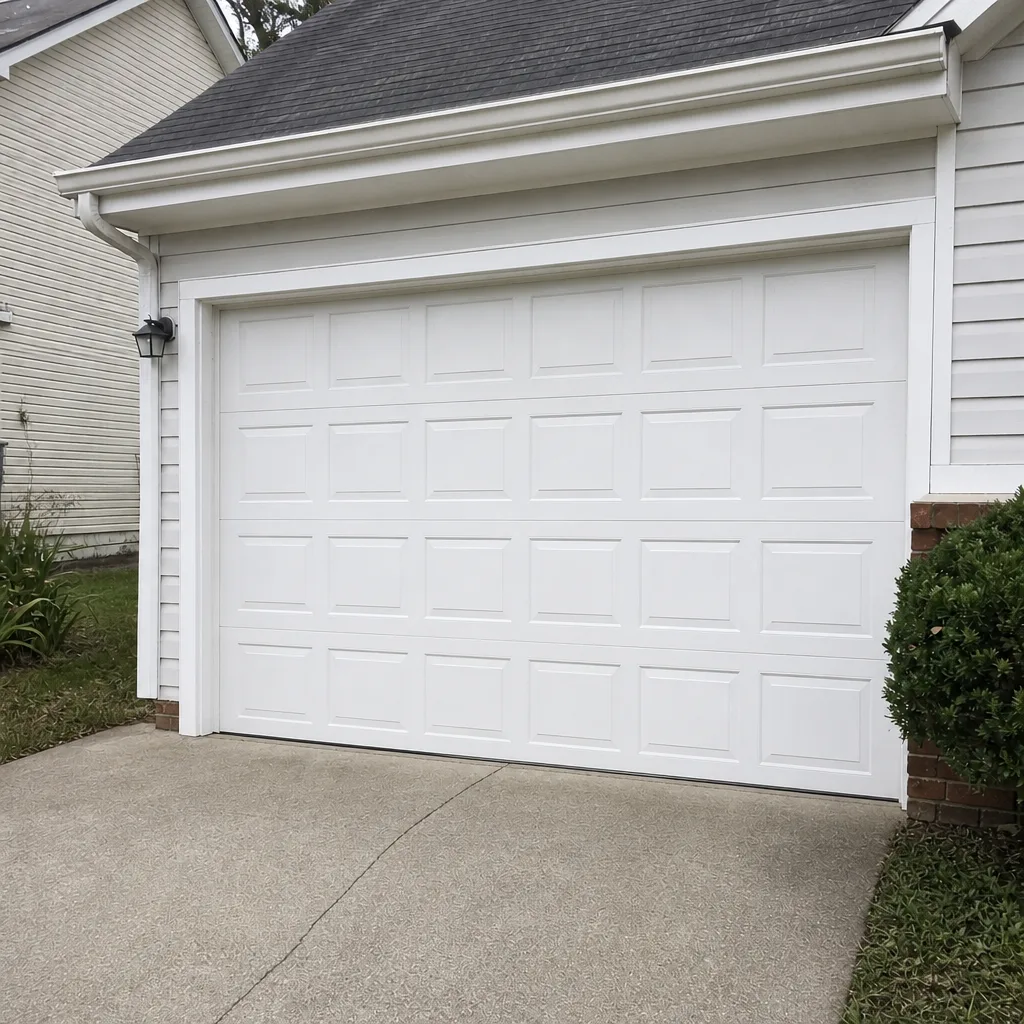 After
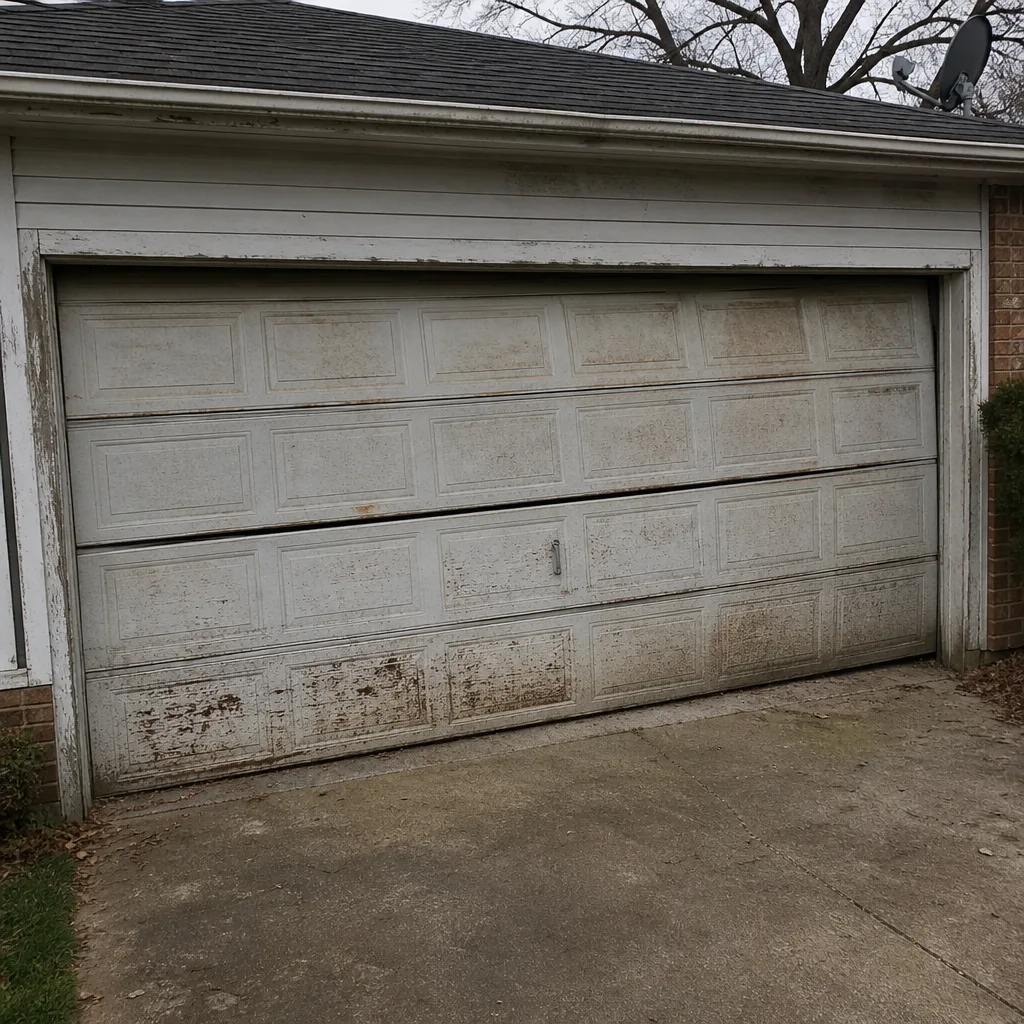 Before
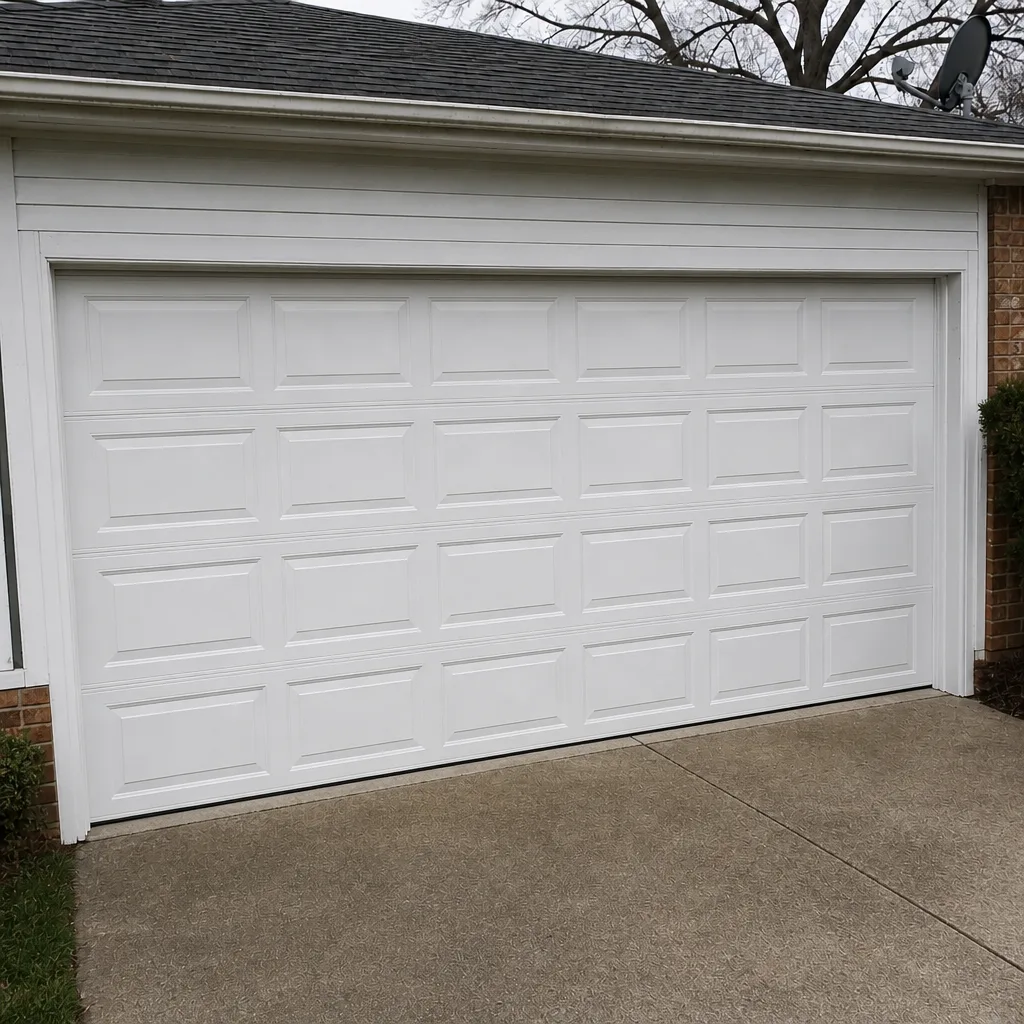 After
When to Call a Professional
Call a professional when the work involves the spring system, the opener’s electrical connection, or any structural change to the opening. Spring work is dangerous without proper training, and electrical work in the garage needs a licensed electrician. If you’re planning a structural change and need to know what a compliant installation looks like in Duluth, a proper measurement and written specification is the place to start. Duluth Garage Door Repair Co offers free estimates in Duluth and can walk you through what your specific job needs. Call (833) 509-5428 to schedule a measure or a repair. We work on the brand you already own, which matters whether you have a Chamberlain opener or an older Genie unit in the ceiling. Stuck door, same day, when it’s a repair; measured and scheduled when it’s a replacement.
Frequently Asked Questions
Usually not. A same-size replacement of an existing garage door is generally considered ordinary replacement work and doesn’t require a permit in Duluth. You likely do need one if the job changes the opening size, alters the structural header or framing, or involves a new electrical circuit for the opener. Confirm with the county building department before ordering the door.
It depends on the electrical work. Replacing an opener that plugs into an existing outlet or ties into an existing circuit typically doesn’t require an electrical permit. Running new wire from the electrical panel to the garage does. If you’re upgrading to a unit with battery backup or Wi-Fi features, have the circuit size checked before installation.
It varies by neighborhood, and there’s no single answer. Duluth has many covenant-governed communities, and architectural review can take anywhere from a week to several weeks depending on the board’s meeting schedule and the completeness of your application. Submit the manufacturer’s spec sheet and a clear photo of the proposed door along with your request to avoid a back-and-forth.
Georgia adopts the International Residential Code, which sets wind-load design requirements for exterior components including garage doors. For most Duluth installations, a standard rated door meets the requirement, but wider doors or heavy custom doors may need additional reinforcement. Ask the manufacturer for the door’s wind-load rating in writing and keep it with your installation records.
Disclosure matters most. Buyers and their inspectors ask about permitted work, and lenders may require documentation before financing. Sellers who disclose unpermitted work up front, with a plan to correct it, generally have an easier closing than sellers whose buyers discover it on their own. Some unpermitted projects can be inspected and permitted retroactively where the code allows.
No. Spring replacement isn’t a permit question, it’s a safety question. Springs are the highest-tension component on the door, and spring work is dangerous without proper training and tools. The springs don’t require a permit, but they require a professional, and that’s the specialty we handle more than any other. Call (833) 509-5428 for a free estimate.
The Bottom Line
Most garage door replacements in Duluth don’t need a permit; the exceptions are specific and worth knowing. Structural changes to the opening, new electrical circuits, and changes to the load-bearing header are the three factors that matter. HOA approval is a separate process from county permits, and both should be documented before the door arrives. Wind-load specs and installation records aren’t busywork; they’re what turn an insurance claim or a home sale into a quick conversation instead of a long one. When you’re ready to talk through your job, call (833) 509-5428 for a free estimate. For more information, visit Duluth Garage Door Repair Co. Repair first, replace only when necessary.
Written by the team at Duluth Garage Door Repair Co.