Last updated November 23, 2026
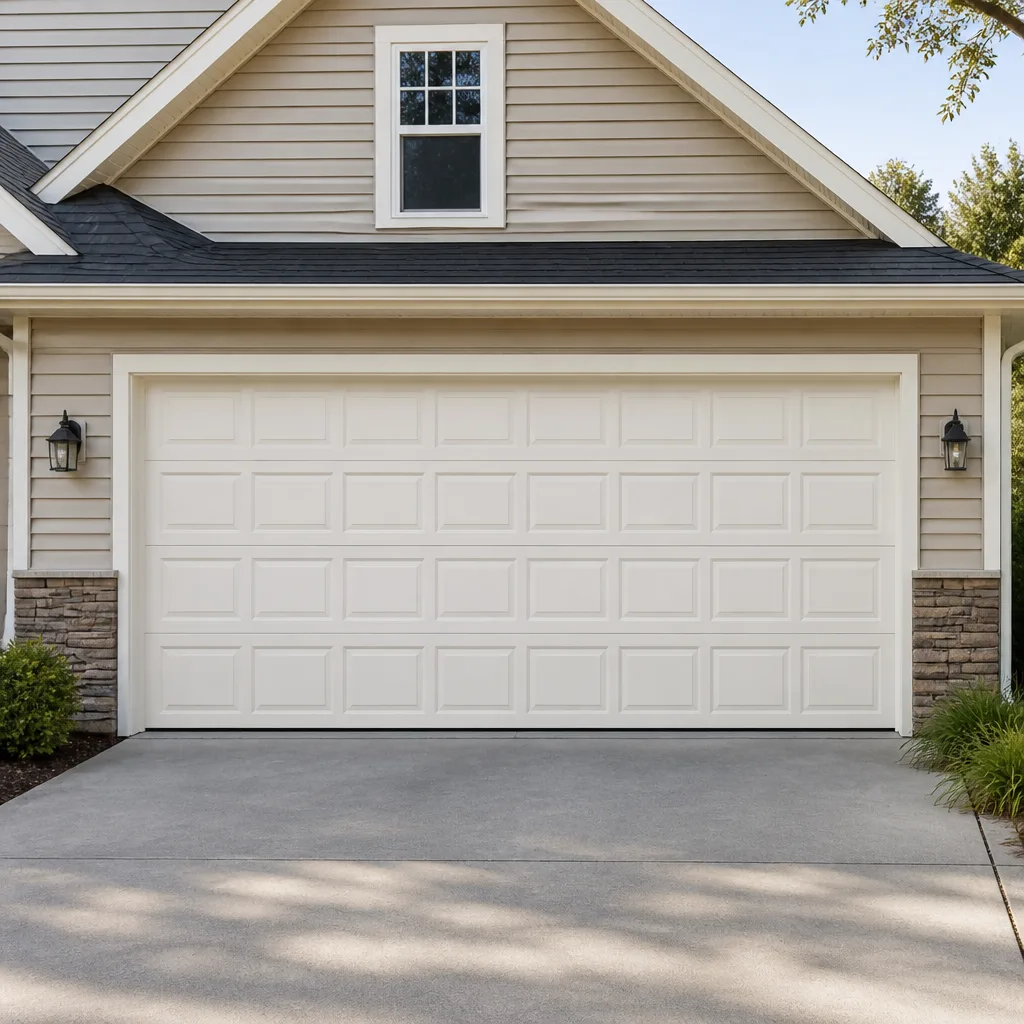 Raised-panel steel
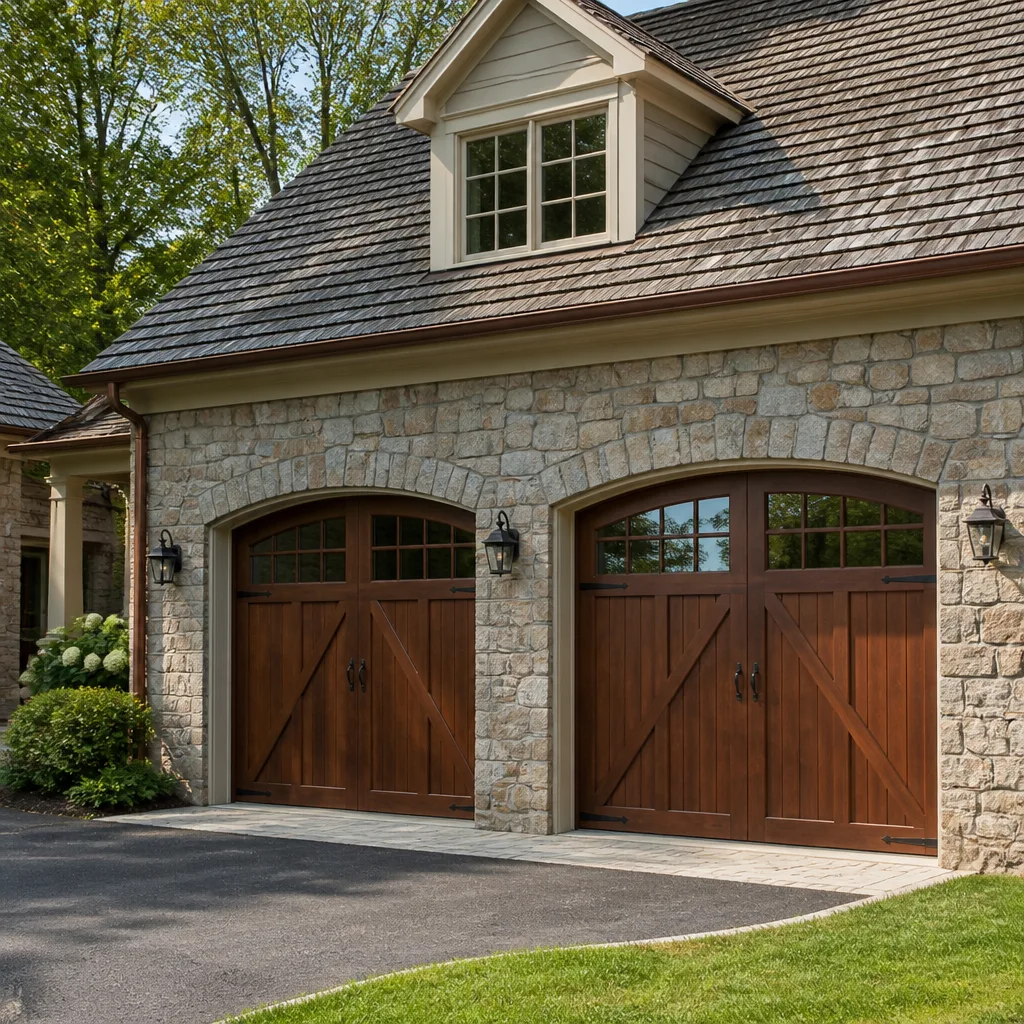 Carriage house
 Modern flush
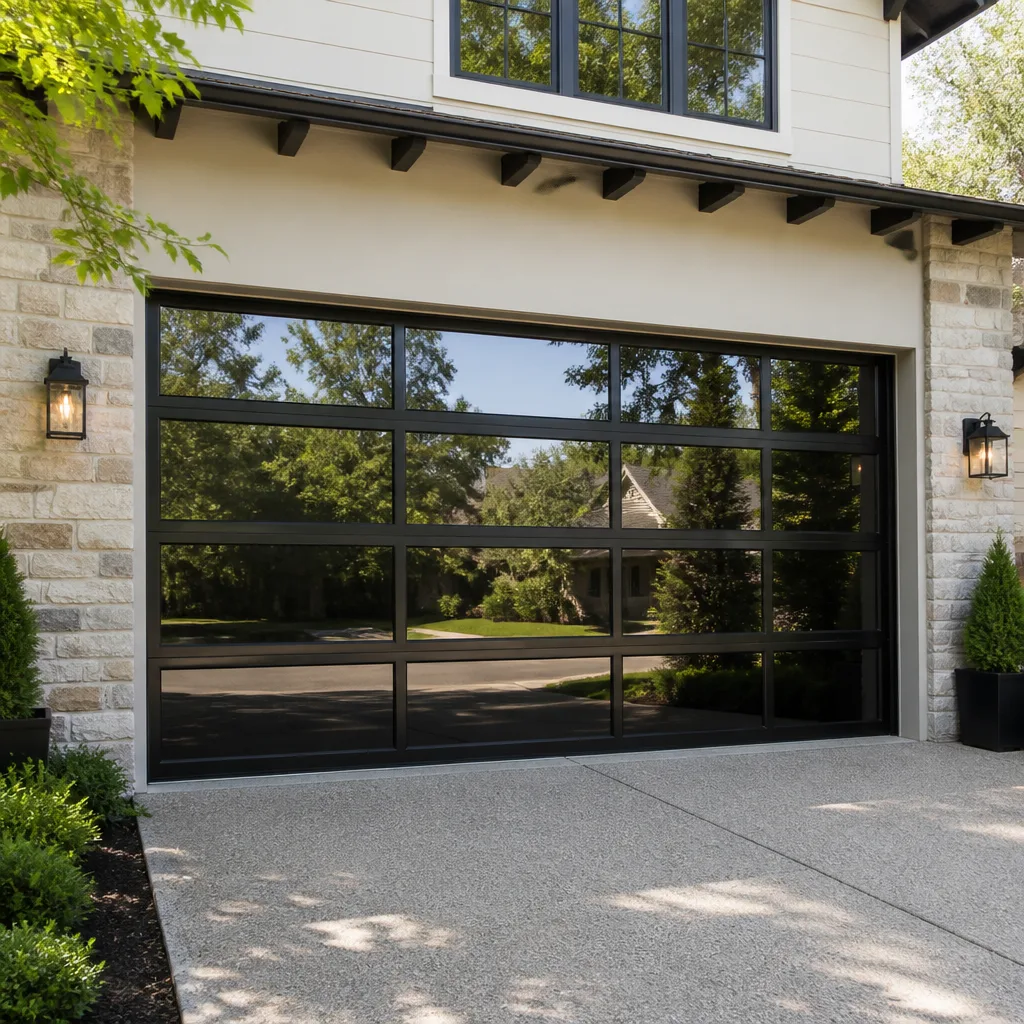 Full-view glass
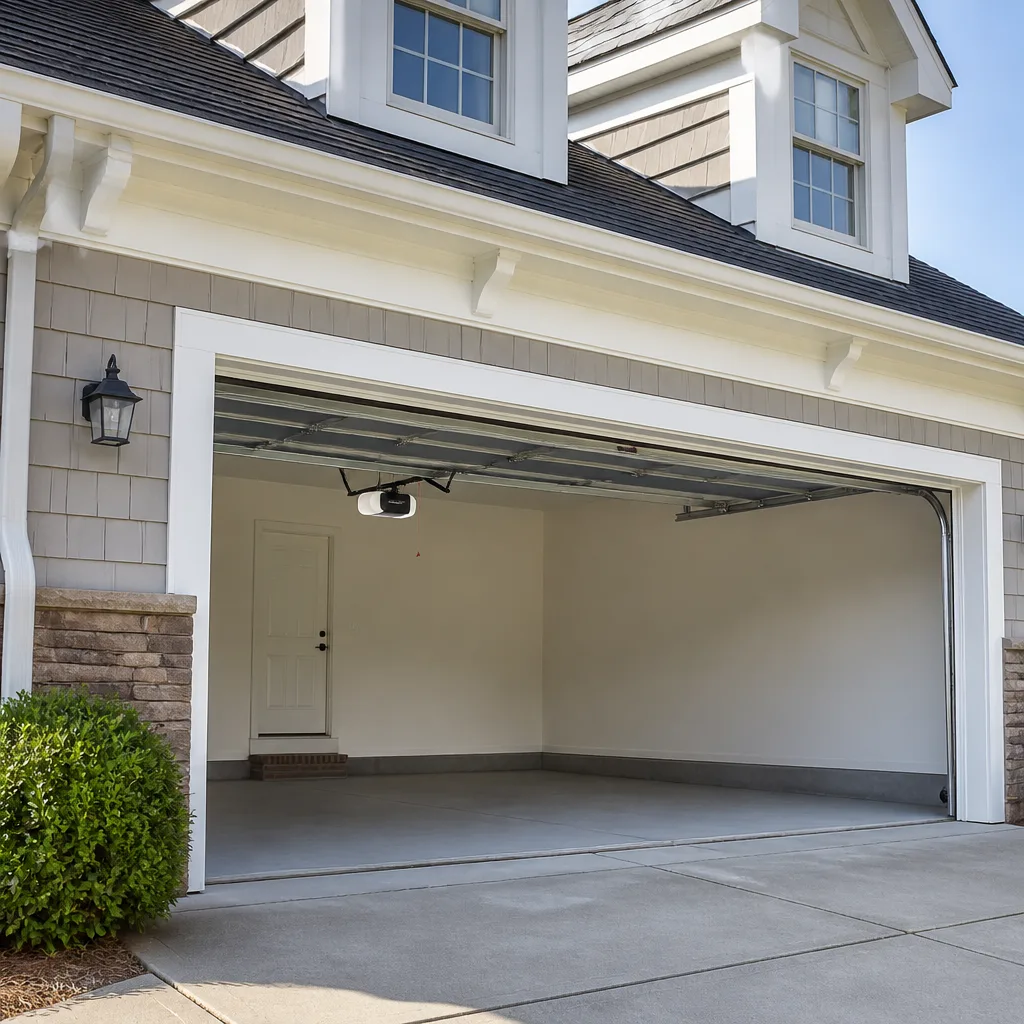 LiftMaster openers
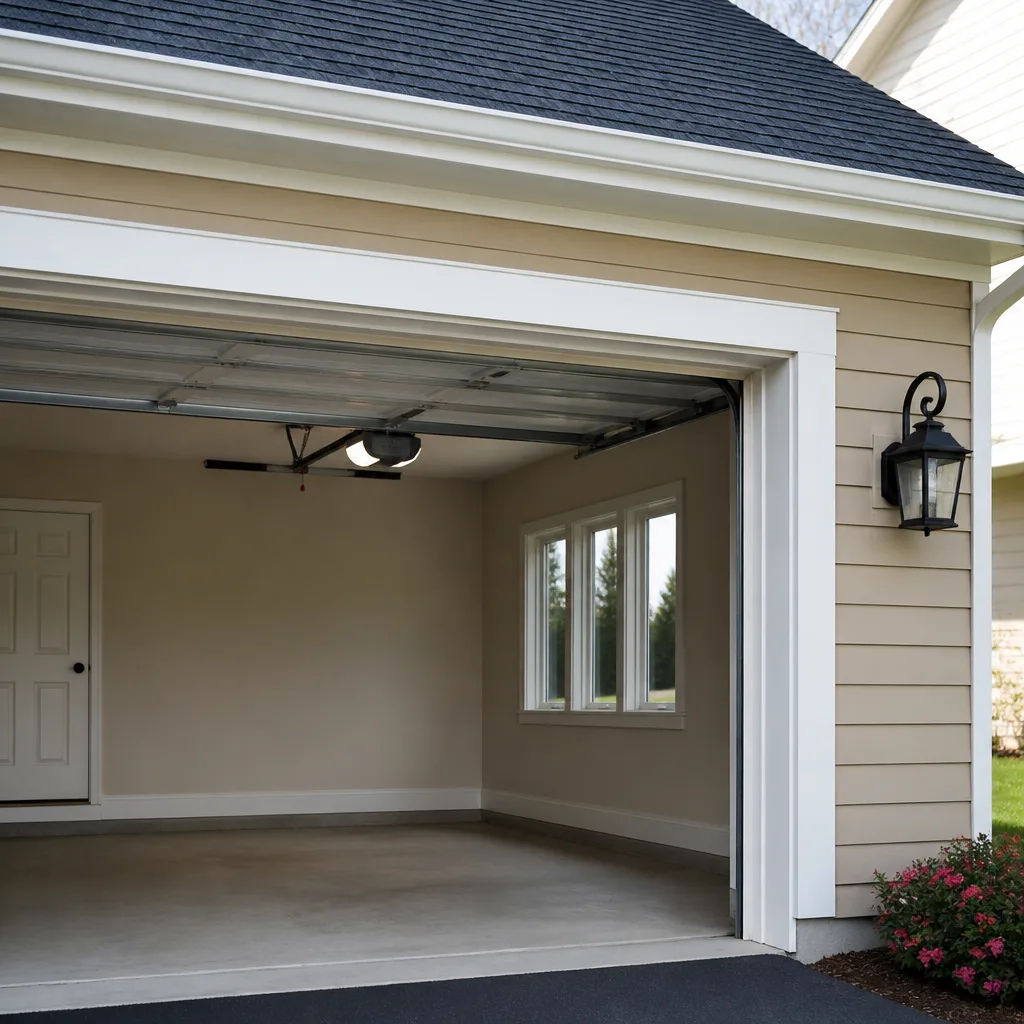 Chamberlain openers
Full 25-point door and opener safety check with every visit - springs, cables, rollers, tracks, and your LiftMaster or Chamberlain opener included
You get a price before we start. It does not change when the pro arrives.
Get your free estimateDIY vs Professional Garage Door: The Duluth Homeowner’s Decision Guide
Most homeowners assume the DIY-versus-professional question is about skill. It isn’t. It’s about which specific jobs have a failure mode that no amount of tutorial watching can prepare you for. Garage door springs sit at the top of that list. A loaded torsion spring stores enormous energy, and one wrong move can release it instantly, with nothing to stop it and no way to undo it. In this guide, we break the whole system down task by task, so you know what’s genuinely homeowner-appropriate and what needs a trained technician in Duluth, GA. You’ll also see why Georgia’s humidity changes how lubrication and hardware wear, and what “I’ll save money doing it myself” really costs when a job has to be redone.
Quick Answer
Safe DIY garage door work is limited to painting panels, replacing weatherstripping, cleaning and lightly lubricating tracks and rollers, and adjusting the safety-eye alignment. Anything that touches a torsion spring, cable, or the opener’s internal gearing belongs to a trained professional. In the Duluth area, the small jobs are worth doing yourself; the high-energy jobs are worth handing off, because the risk and the redo cost usually outweigh the savings.
Styles & brands we work with
- Raised-panel steel
- Carriage house
- Modern flush
- Full-view glass
- LiftMaster openers
- Chamberlain openers
Table of Contents
- The Physics That Decides the Question
- Task-by-Task: What’s Safe and What Isn’t in Duluth
- What DIY Spring Replacement Really Costs in Duluth
- Why Georgia Humidity Punishes the Wrong Lubricant
- The One Opener Task You Can Do, and the Two You Can’t
- The Weatherstripping Job Every Duluth Homeowner Should Do
- Safety Checks Before and After Any Garage Door Work
- Permits, Codes, and Calling Your City Building Department
The Physics That Decides the Question
A garage door is the largest moving part of your home, and nearly all of the force that moves it is stored in two torsion springs above the door or two extension springs along the sides. When a torsion spring is wound during installation, it holds that energy for years. It doesn’t degrade gently; it lets go all at once. That’s why spring work has no middle ground. There’s no slow, forgiving failure you can react to. The energy releases and it’s done.
This is the core of our thesis: the DIY-or-professional call isn’t a measure of how handy you are. It’s a measure of whether the job has an “undo.” Painting a panel is reversible. Cleaning a track is reversible. Replacing a torsion spring is not. When a technician handles spring work in Duluth, the tools and technique are designed around controlled release and controlled tension. Homeowners working without that equipment are guessing at the most unforgiving part of the system.
If you take just one idea from this guide, take this one. Some garage door jobs are ordinary maintenance. Others belong to a narrow, high-energy category where the margin for error is essentially zero. We call that garage door spring repair, and we treat it as its own specialty rather than a side task in a general toolbox.
Task-by-Task: What’s Safe and What Isn’t in Duluth
The clearest way to answer the DIY question is to break it down by task. Here’s how we sort garage door work into three buckets: safe for a competent homeowner, tricky but doable with care, and hands-off.
Genuinely safe for a competent DIYer:
- Painting or staining garage door panels, provided you mask the hinges and hardware first.
- Replacing bottom weatherstripping and side seals on a standard sectional door.
- Cleaning track surfaces and wiping buildup off rollers.
- Tightening loose hinge and bracket bolts with a hand ratchet.
- Realigning or cleaning the safety-eye sensors if the door reverses for no obvious reason.
Tricky but doable with care:
- Adjusting the opener’s travel limits and force settings using the manual that came with your brand.
- Replacing a worn roller on a door that’s already fully open and safely de-tensioned.
- Replacing a cracked bottom panel on a panel-style door where the section is already loose.
Leave to a trained professional:
- Any torsion spring or extension spring replacement.
- Any cable replacement or drum work.
- Replacing the center bearing plate or bottom bracket.
- Opener internal gear or logic board repair.
- Full door replacement or re-hanging a door that’s jumped the track.
What most Duluth homeowners overlook is how much the humidity here pushes some of the “doable” tasks toward a professional. Hardware loosens faster when it goes through repeated wet and dry cycles. We see bolts that started snug in a dry spell backing off after a wet spring. If you’re leaning on the doable list, plan a quick check of hinges and brackets a couple of times a year.
What DIY Spring Replacement Really Costs in Duluth
Homeowners ask us all the time whether they can save money by replacing a spring themselves. On paper, a spring looks like a modest part. In practice, the DIY attempt rarely ends with just the part. Add up the tool rental, the risk, and the odds of a callback repair, and the picture changes.
- Winding-bar rental: winding bars are the one tool you can’t substitute. Rentals are modest per day, but you usually need them more than once, which pushes the cost up.
- Wrong-spring purchase: springs are matched to door weight and cycle life. Buying the wrong size costs you a second spring and another attempt.
- Callback repair: when a door is left out of balance or skipping a cable, the follow-up call is the real bill. This is the cost homeowners forget to count.
- Risk exposure: an injury from stored spring energy is a medical cost, not a garage door cost, and it’s the part of the budget you can’t get back.
Here’s the important nuance on cost. A typical spring repair price is per spring, not per pair. Most doors run a matched pair, and those should be replaced together, so a pair costs about double the single-spring figure. That means the all-in professional price for a pair is often closer to what the DIY estimate becomes after a callback than it looks at first glance.
When we quote spring work for a Duluth homeowner, we measure the door, match the cycle life you need, and set the written price before any work starts. Same-day spring work is often possible for urgent cases. If you’re ready to price it out, garage door repair is where we’d start the conversation. Estimates are free, and the number on the written estimate is the number you pay.
Why Georgia Humidity Punishes the Wrong Lubricant
Lubrication is one of the tasks homeowners take on themselves, and it’s also one of the most commonly botched. The problem is the product. In Duluth’s humid summers, thin spray lubricants attract dust and hold moisture against metal. That combination accelerates wear faster than not lubricating at all, because you’ve created a sticky surface that traps grit where the rollers roll and the hinges pivot.
So what should you use? Heavy silicone-based or lithium grease on hinges, rollers and springs, applied sparingly. Never use WD-40 as a long-term lubricant on garage door hardware. It displaces moisture and quiets squeaks for a week, then evaporates and the metal is right back to dry. That’s the trap: WD-40 is a penetrating oil, not a lubricant for moving parts under load.
What our technicians see on Duluth doors after a few humid seasons is a specific pattern:
- Thin spray lubricant applied liberally in spring.
- Warm, humid air softens the film and dust sticks to it.
- The rollers and hinges gum up, and the opener works harder to move the door.
- The extra load wears the opener’s drive and forces a repair.
What we tell homeowners: once a year is plenty, and product choice matters more than frequency. If you’re unsure what to put on, ask. Lubricating the wrong part in the wrong way is one of the most common reasons a homeowner ends up needing a callback.
The One Opener Task You Can Do, and the Two You Can’t
Opener work divides neatly into one task most homeowners handle well and two that send people to the phone. Here’s the split.
The one to DIY: replacing the battery in the remote and re-syncing the remote to the opener. This is genuinely homeowner-appropriate and rarely needs a call. If you have a LiftMaster or Chamberlain unit, the pairing procedure is in the manual, and it takes a few minutes. Most “my opener stopped working” calls are actually a dead remote battery or an unpaired remote, not a broken opener.
The first one to leave alone: replacing a worn drive gear or the internal sprocket on a chain-drive opener. This is where homeowners wreck the gearbox by forcing parts back together. It’s also the job that most convincingly looks easy in a video and then turns into a service call. A Genie or Raynor opener with a jumpy or grinding motor usually needs this work, and getting the gear mesh right takes a careful hand.
The second to leave alone: logic board or safety-sensor wiring repair inside the head unit. If the opener is behaving erratically, or the safety-eye LEDs are flashing rather than steady, stop. A bad board or a miswired sensor can leave the door running with the safety reverse disabled, which is a serious hazard. Our garage door opener repair service exists because repair-first is usually the right call; replacement of the whole opener is only necessary when the drive is shot.
We work on the brand you already own, so the technician who arrives is already fluent in the hardware. That’s most of the diagnostic work done before anyone opens a toolbox.
The Weatherstripping Job Every Duluth Homeowner Should Do
If you’re going to do one garage door project yourself this year, make it the weatherstripping. It’s low-risk, high-return, and it’s the task where Duluth’s climate does the most obvious damage. The bottom seal on a sectional door is a rubber or vinyl strip that runs the width of the door. It compresses against the floor and keeps out water, insects and cold air. After a few hot summers and cold snaps, it hardens, cracks and eventually crumbles.
Replacing it is genuinely DIY-friendly:
- Raise the door and prop it fully open so the bottom edge is at working height.
- Pull the old seal out of its retention channel; most are held by a slot or a screw-on retainer.
- Slide or screw in the new seal, cutting it slightly long so the ends don’t pull back.
- Lower the door and check that the seal compresses evenly along the floor line.
- Look for daylight or a draft; if you see either, adjust the retainer or re-seat the seal.
The side seals and top seal are similarly DIY-friendly. Where homeowners get into trouble is when the weatherstripping has failed and water has gotten into the bottom section. Water damage can warp the bottom panel, which changes the door’s balance. A door that was balanced last season but drags now may need a technician to re-check tension. If you see water staining or a sagging bottom panel, get it looked at rather than forcing the seal into a warped section.
Safety Checks Before and After Any Garage Door Work
Whichever side of the DIY line you land on, a quick safety check protects everyone in the house. Do these before you start any project, and again after you finish.
- Safety reverse test: place a roll of paper towels under the door, close it, and confirm the door reverses immediately on contact. If it pushes down, stop and call for repair.
- Balance test: disconnect the opener and lift the door halfway. It should hold roughly where you leave it. If it drops or flies up, spring tension needs attention.
- Visual cable check: look for frayed or slack cables. If you see either, don’t run the door. Cable tension is not a homeowner job.
- Hardware check: wiggle hinge plates and bolts. Anything loose gets tightened with a hand tool, never overtightened with a power driver.
- Track check: look for dented or bowed tracks. A dented track is what causes most rollers to jump out, and it isn’t something a homeowner can safely straighten while the door is under tension.
If the door fails the reverse test or the balance test, stop. The next step is a professional diagnosis, not more DIY. The springs carry stored energy even when the door looks still.
Permits, Codes, and Calling Your City Building Department
Homeowners ask whether a new garage door needs a permit in Duluth. The honest answer is that it depends on the scope. Replacing a door in the existing opening is often treated differently from structural changes like widening an opening, moving a header or changing the door’s structural role. Most cities require a permit when the work touches framing or the structural opening; a direct swap of an existing door sometimes doesn’t.
The right move is to call the City of Duluth building department and describe exactly what you’re planning. Ask whether the change is like-for-like or structural. That single call saves you far more than it costs. If the department says a permit is needed, budget the time for the inspection, because a garage door is one of the items a final inspection looks at.
Any full installation we connect a Duluth homeowner with is measured, ordered and scheduled, not a same-day event. If you’re pricing a new door, the process starts with a free measure and a written estimate. That’s the right way to handle installation, and it gives you a written number to compare against the DIY route.
Common Mistakes to Avoid
- Trying to adjust a torsion spring “just a little.” Any adjustment to a wound spring is a full spring job, not a tweak. The stored energy doesn’t scale down just because you’re moving it a quarter turn.
- Using WD-40 as a long-term lubricant. In Duluth’s humidity, it attracts dust and evaporates, leaving metal drier than before. Use silicone or lithium grease instead.
- Buying a spring online without matching the door’s weight. A mismatched spring can fail early or leave the door out of balance, which then stresses the opener.
- Ignoring a failing safety reverse. A door that pushes down instead of reversing is a danger to kids and pets. That’s a call-us-now item, not a next-month item.
- Straightening a bent track by hand. Track and roller tension are linked; bending a track while the door is loaded is how doors come off their rails.
- Assuming every opener glitch means a new opener. Most of the operators we see in Duluth need a repair to a gear, board or sensor, not a full replacement. Repair-first, replace only when necessary.
- Ignoring a gate or door that has jumped its track. A door off the track has to be de-tensioned and re-hung; forcing it back is how tracks get bent further.
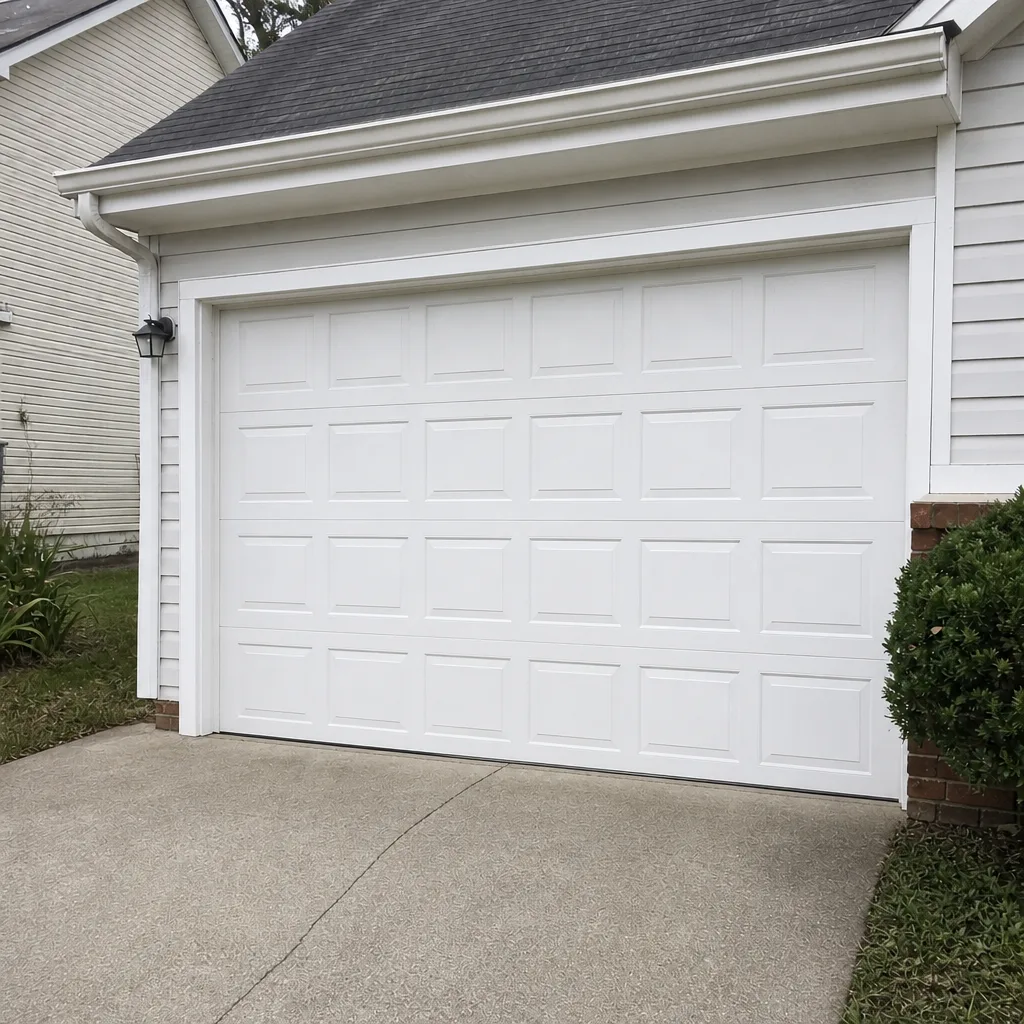
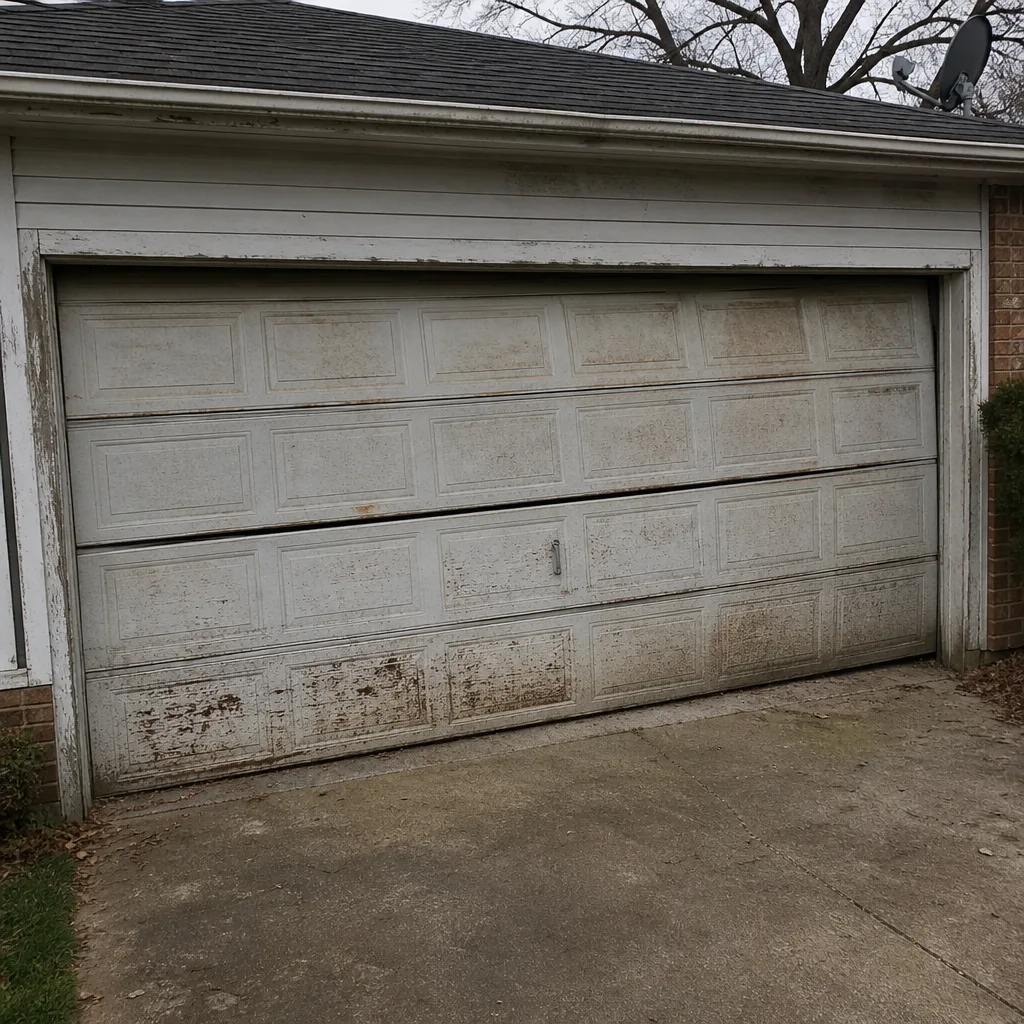
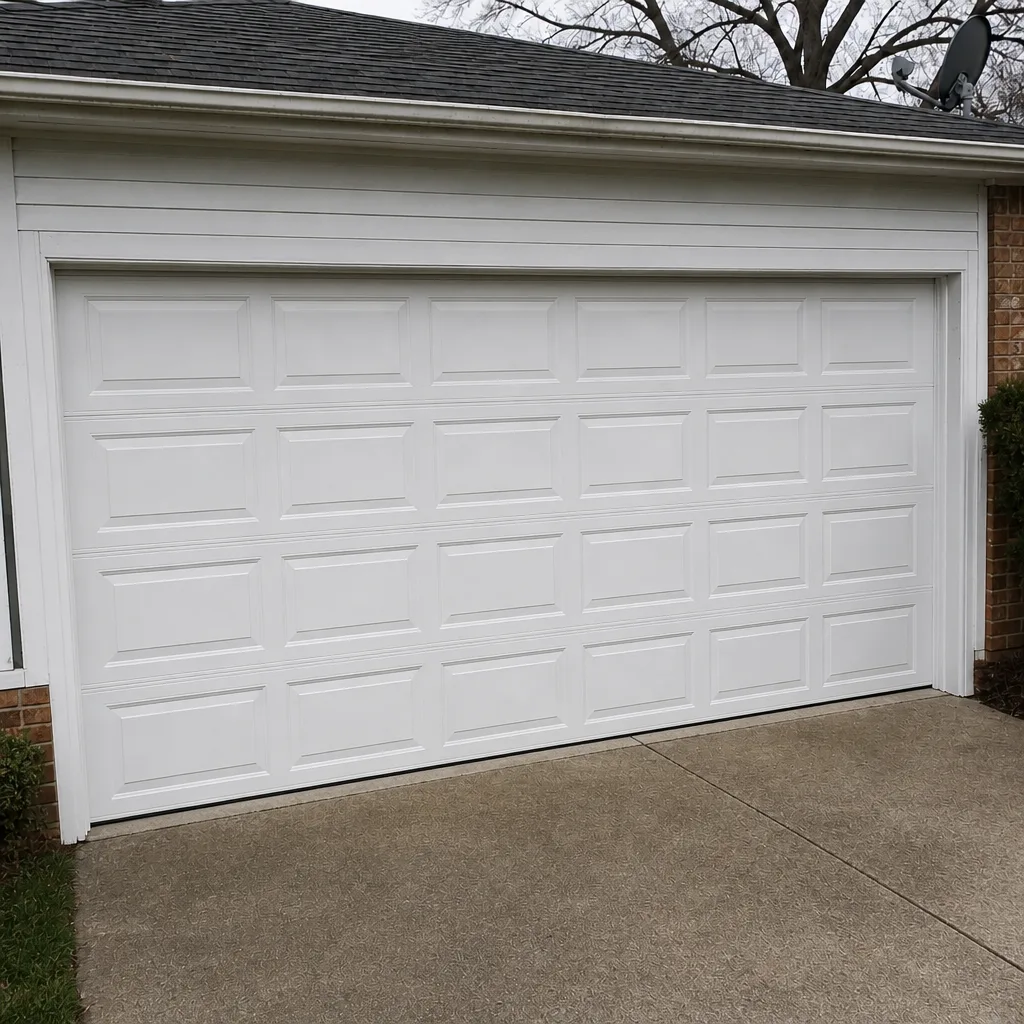
See the difference
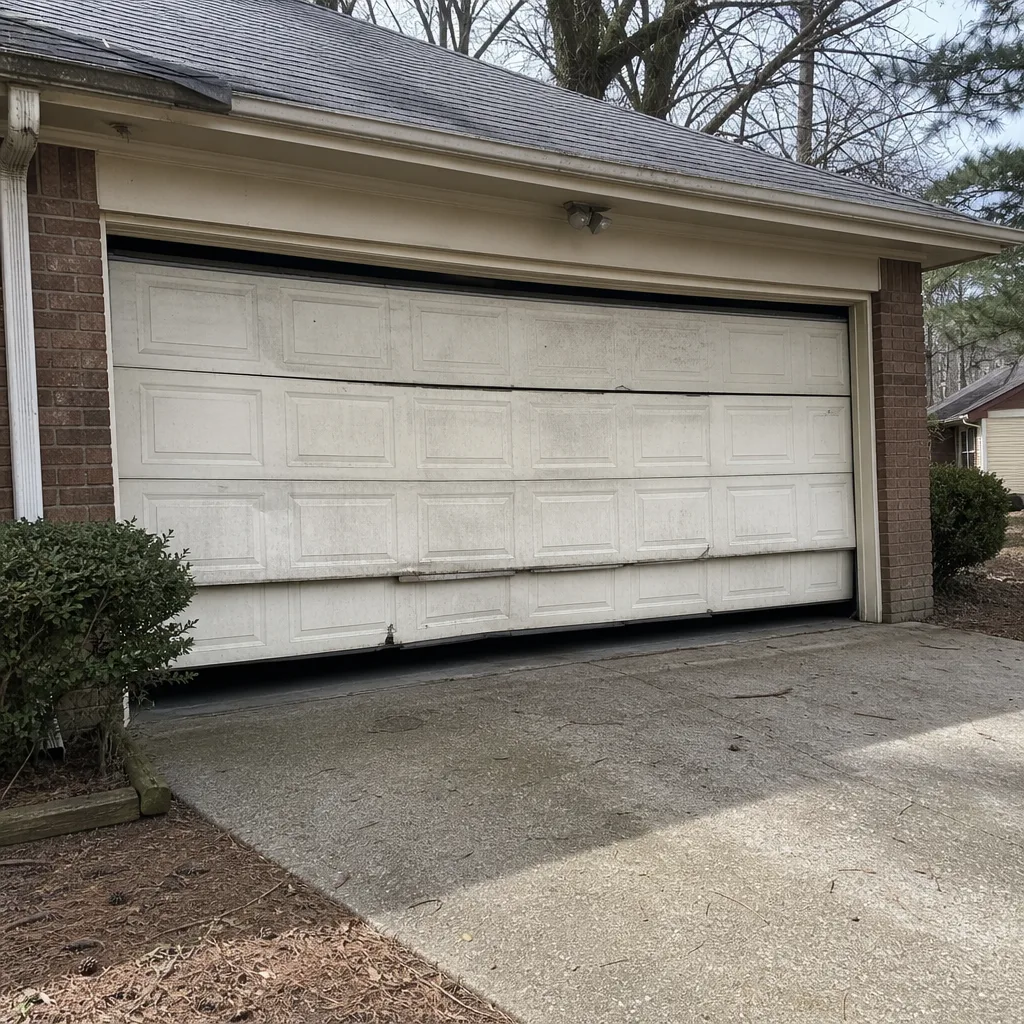 Before
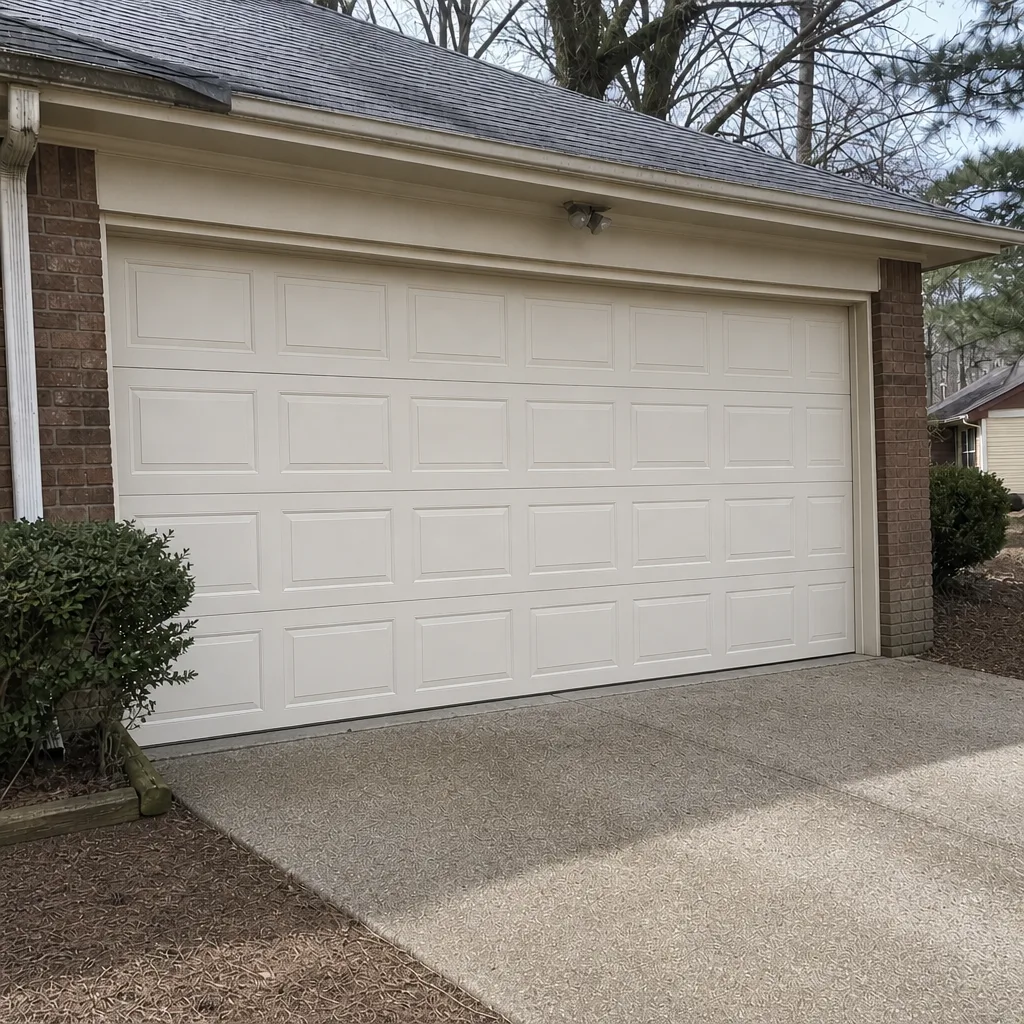 After
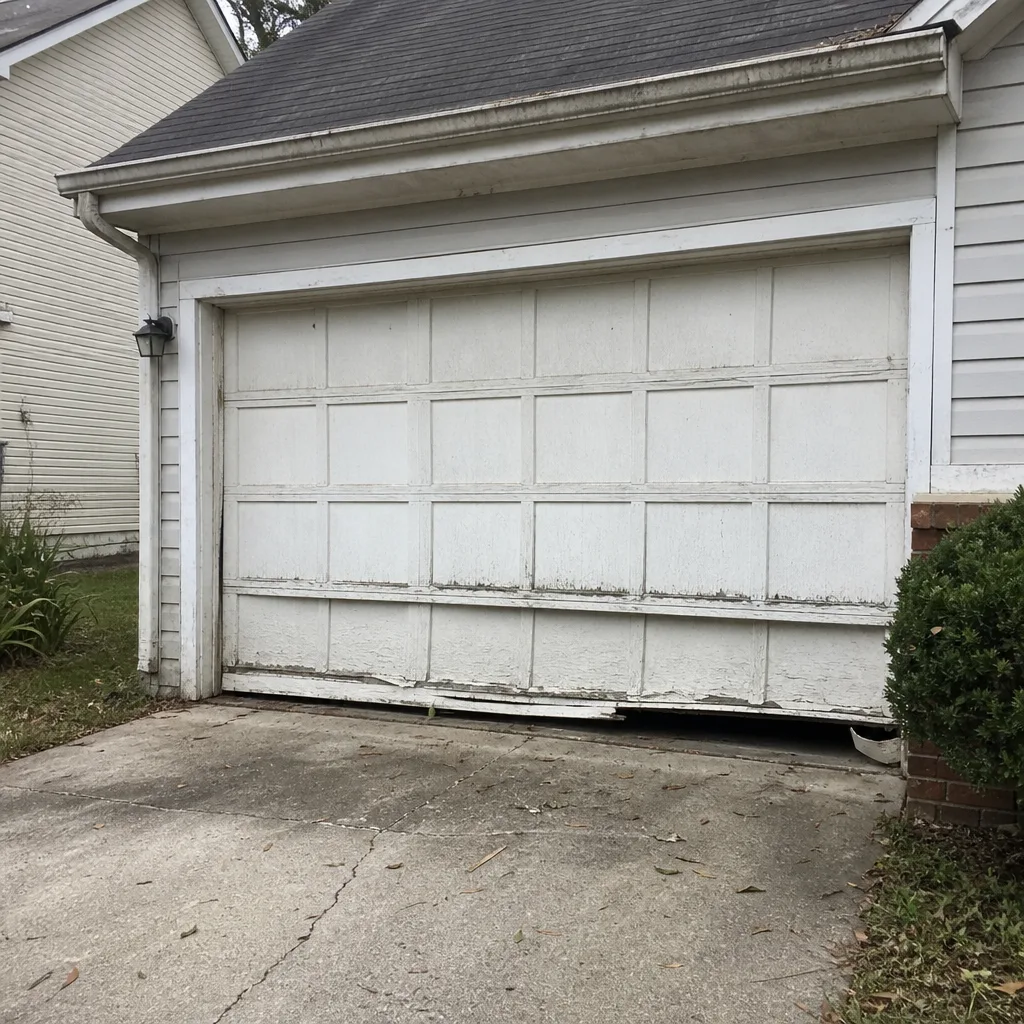 Before
 After
 Before
 After
When to Call a Professional
There’s a specific list of situations where calling a professional isn’t about avoiding work; it’s about avoiding risk. Call a specialist if the door reverses on the way down, a spring has visibly broken, a cable is slack or frayed, the door has jumped the track, or the opener is running the motor without moving the door. These are the cases where a second attempt at DIY usually ends in a bigger repair bill. If your door won’t open or close at all, that’s an emergency call, and we treat it that way: stuck door, same day. Duluth Garage Door Repair Co offers free estimates in Duluth. Call (833) 509-5428, and we’ll get a technician on it.
Frequently Asked Questions
No. Torsion and extension spring replacement involves stored energy that can release instantly, and there’s no safe way to undo a mistake. We recommend leaving spring work to a trained technician. Call (833) 509-5428 for a free spring repair estimate in Duluth.
For small jobs like weatherstripping and panel painting, DIY is usually cheaper. For anything involving springs, cables or the opener drive, DIY often costs more once you factor in tool rental, a wrong-size part and a callback repair. The written professional estimate is usually the more predictable number.
Painting panels, replacing weatherstripping, cleaning and lightly lubricating the tracks and rollers, tightening loose hinge bolts, and aligning the safety-eye sensors are all reasonable DIY tasks. Anything involving a spring, cable or the opener’s internal gearing is not.
For door failures that create a safety or security problem, we offer emergency garage door service and often same-day repair. Call (833) 509-5428, describe what the door is doing, and we’ll tell you what we can do. Estimates are free.
No. We quote the job and agree on the price before any work starts, and the written estimate is the final number. If we find something unexpected during the job, we stop and talk with you before touching anything else.
It can. Thin spray lubricants hold moisture and dust, which accelerates wear on rollers and hinges compared with the right silicone or lithium product. Once a year with the right product is usually enough; more frequent light sprays tend to backfire.
The local professional we connect you with is licensed and insured as their state requires, and works on the major brands a homeowner is likely to own. Our technicians have up to 9 years of experience on the hardware that matters.
The Bottom Line
The DIY-versus-professional question for a garage door isn’t a test of your skill. It’s a decision about which jobs have a failure mode you can walk away from and which don’t. Weatherstripping, painting, cleaning and light lubrication are yours to take on, and taking them on genuinely extends the door’s life. Springs, cables, track damage and opener internals are a different category: high-energy, no-undo jobs that belong to a trained technician. If you’re pricing the professional side in Duluth, start with a free estimate. We’ll measure, match the parts to the door, and put the price in writing before any work begins. For anything from a stuck door to a full replacement, call (833) 509-5428. Estimates are free, and the written price is the price. To see more about how we work, take a look at Duluth Garage Door Repair Co.
Written by the team at Duluth Garage Door Repair Co.