Last updated November 23, 2026
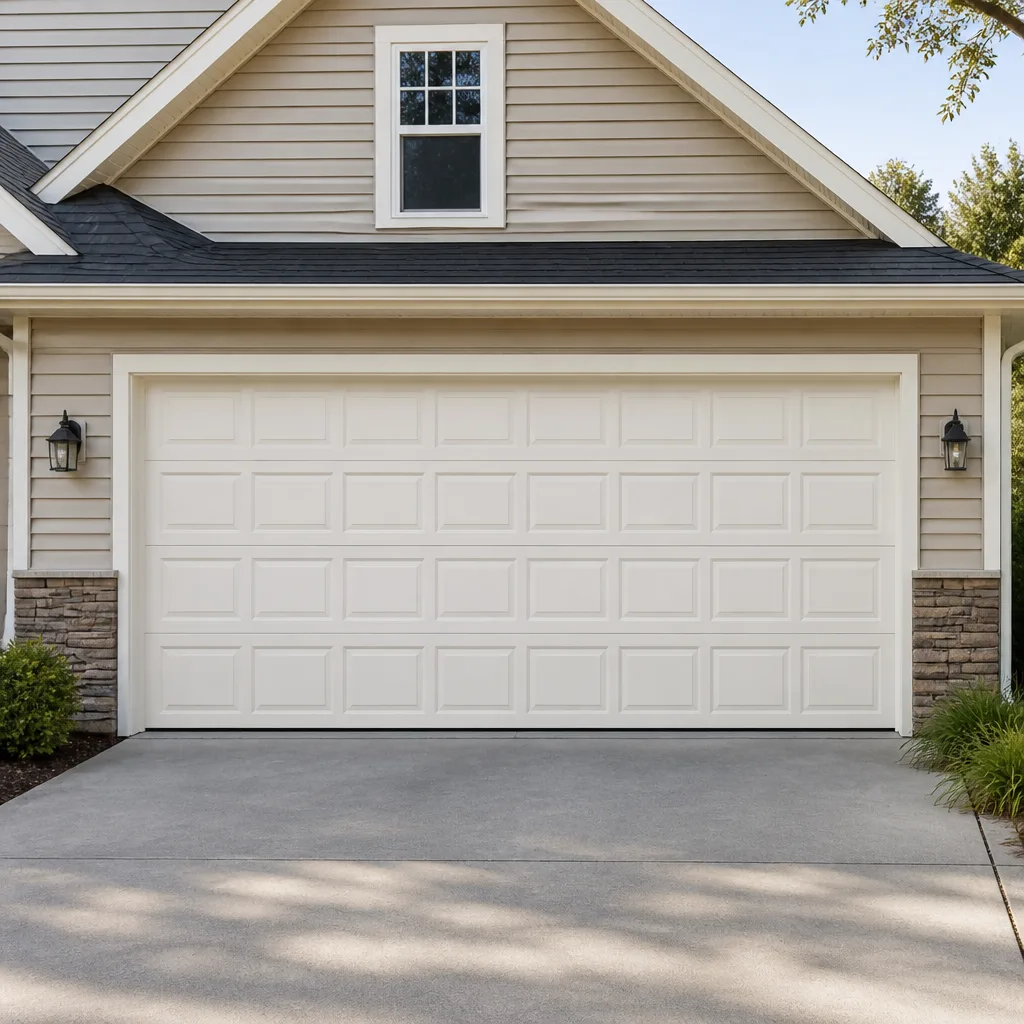 Raised-panel steel
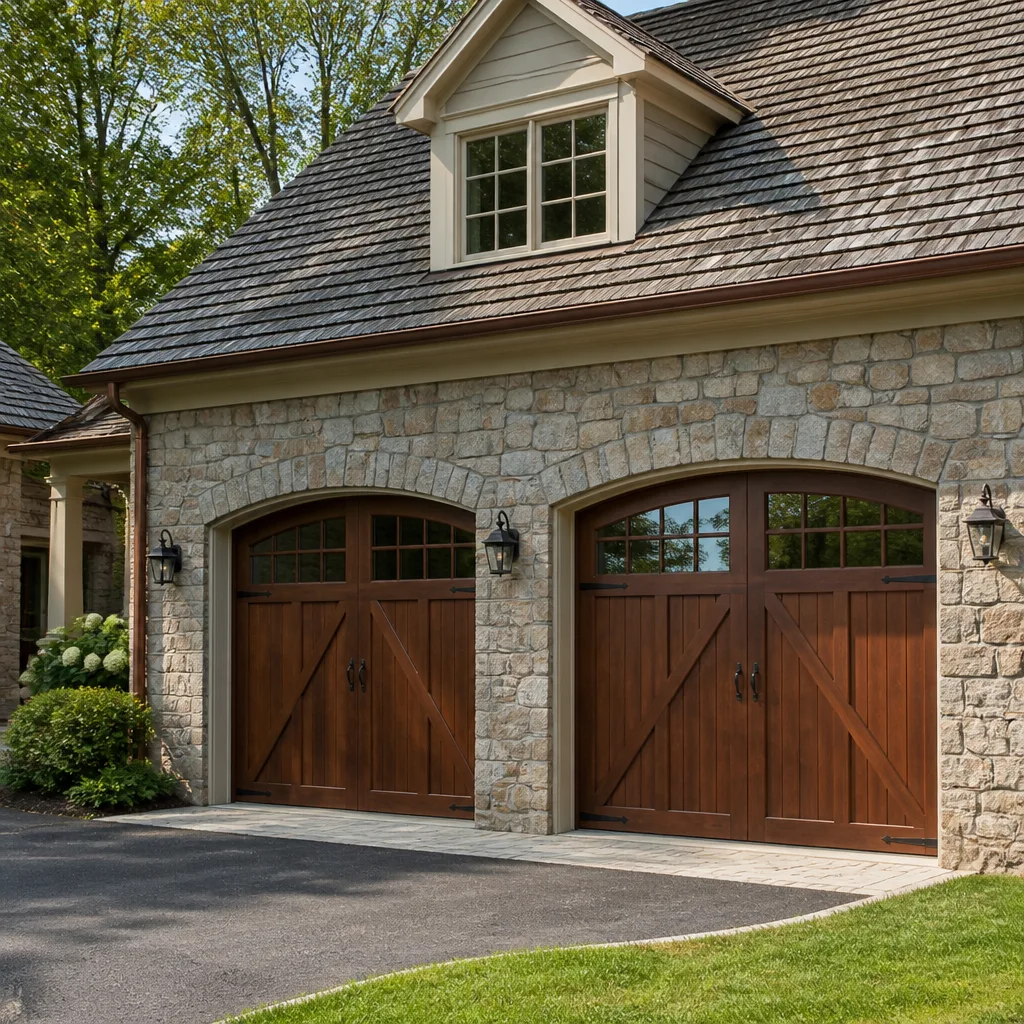 Carriage house
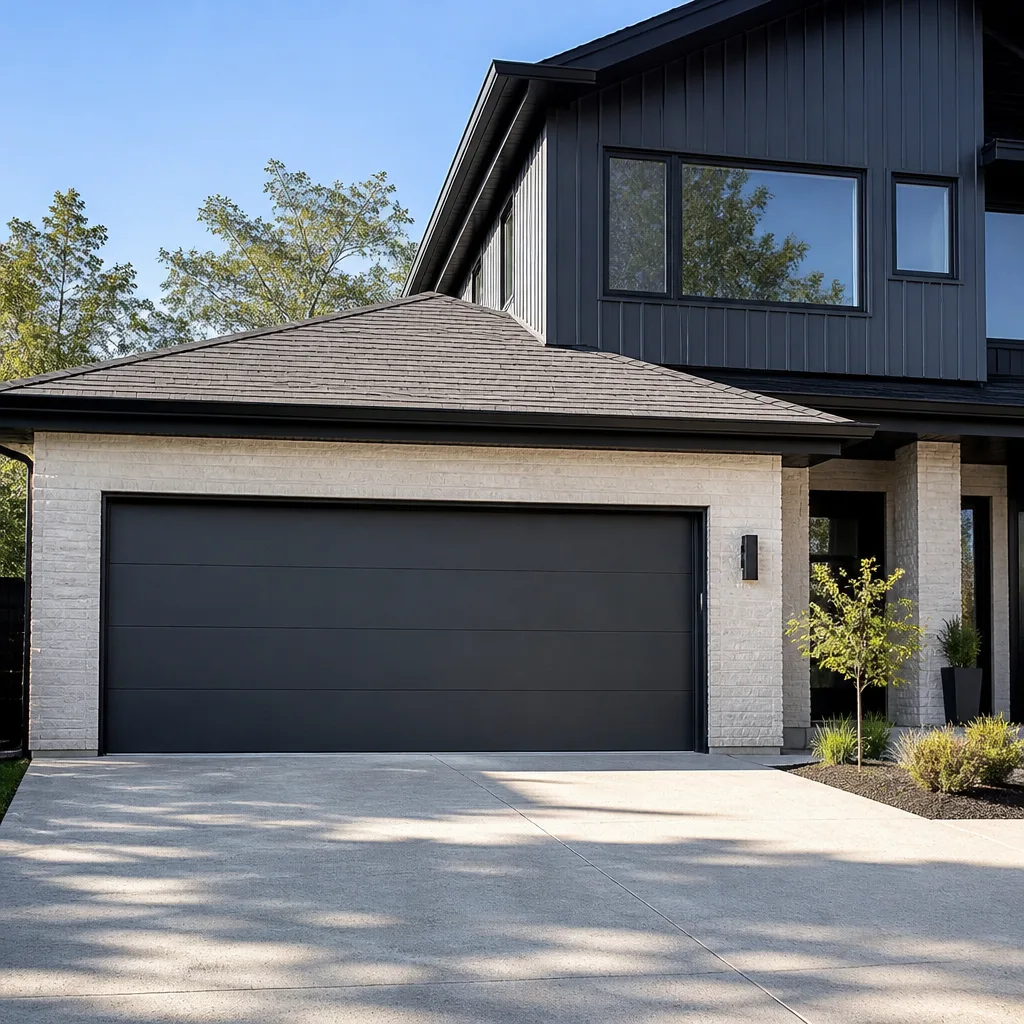 Modern flush
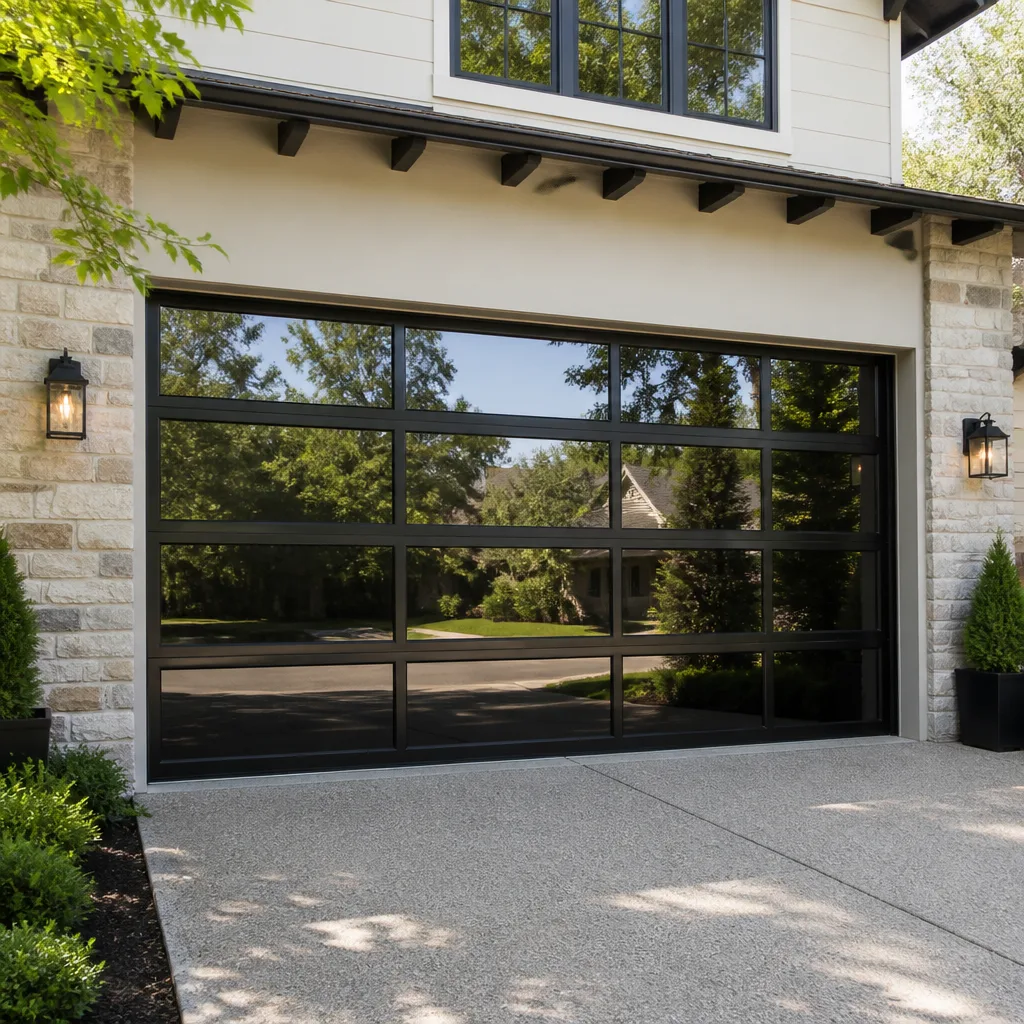 Full-view glass
 LiftMaster openers
 Chamberlain openers
Full 25-point door and opener safety check with every visit - springs, cables, rollers, tracks, and your LiftMaster or Chamberlain opener included
You get a price before we start. It does not change when the pro arrives.
Get your free estimateGarage Door Emergency Preparedness Guide for Duluth Homes
During a power outage in Duluth, the most common household lockout isn’t the front door. It’s the garage. A homeowner pulls into the driveway, the door won’t lift, and they realize they’ve never once looked for the manual release cord on their opener. Duluth sits in a corridor that sees regular severe thunderstorms, occasional tornado warnings, and outages that can last hours, and a door that isn’t prepared for any of those turns into an access and security problem at the worst possible moment. This guide covers what to do before, during, and after a garage door emergency. You’ll learn how to release your door by hand, how to secure it after a spring snaps, what to check after a storm, and when to stop touching it and call someone.
Quick Answer
The most important emergency prep for a Duluth garage door is knowing how to use your opener’s manual release cord and having a battery backup opener if your power goes out often. If a spring snaps or a storm damages the door, keep it closed, don’t force it, and call a specialist the same day. Garage door emergency service in Duluth is available for doors that won’t open, won’t close, or have come off their tracks after a storm.
Styles & brands we work with
- Raised-panel steel
- Carriage house
- Modern flush
- Full-view glass
- LiftMaster openers
- Chamberlain openers
Table of Contents
- Why Duluth Homes Need a Garage Door Emergency Plan
- How to Use Your Manual Release Cord
- What to Do When a Spring Snaps
- What to Do Immediately After Storm Damage
- Battery Backup Openers for Duluth’s Outage Patterns
- Is Your Storm-Damaged Door Safe to Operate?
- Your Annual Garage Door Prep Checklist
- Common Mistakes to Avoid
Why Duluth Homes Need a Garage Door Emergency Plan
Duluth’s weather makes garage doors work harder than most homeowners expect. The same storm systems that roll through in spring and summer bring driving rain, sudden wind gusts, and lightning that takes out power grids for hours at a stretch. Your garage door is the largest moving part of your home, and it’s also the one that sees the most weather-driven wear: every seasonal shift in temperature, every heavy rain, every gust pushes on the seals, the tracks, and the hardware.
That wear adds up. A tension spring that’s been cycling through Georgia’s hot summers and cool winters loses strength gradually, and the day it finally lets go, it usually lets go at the worst possible time. When the power goes out mid-storm, your opener is only as useful as its backup. And when a door is damaged during a storm, leaving it half-open or jammed off its tracks creates a genuine security gap. The garage is usually the most accessible entry point on the house.
An emergency plan doesn’t require special tools or training. It requires knowing a handful of things before you need them: where your manual release cord is, what to do if a spring breaks, how to shut the door down safely, and who to call when the door is beyond what you can handle. Most of what follows takes ten minutes to learn and saves you an hour of panic when the power dies.
How to Use Your Manual Release Cord
Every residential garage door opener sold in the U.S. has a manual release mechanism. That’s the pull cord hanging from the trolley that connects the door to the opener rail. Pulling it disconnects the door from the opener so you can move the door by hand. If you’ve never used it, this is the single most valuable thing to practice on a calm day with the door closed.
Here’s the standard process for most opener models, including LiftMaster and Chamberlain units common in Duluth garages:
- Locate the release cord. It’s a rope or cord hanging from the opener trolley, usually with a red or T-shaped handle. If you can’t find it, look along the rail between the motor and the door.
- Stand clear of the door. Make sure nobody is standing in the door’s path before you pull.
- Pull the cord firmly and straight down. The trolley should disconnect with a small click. On some Genie models the release is a lever instead of a cord.
- Test the door by hand. Lift it slowly. It should move with steady resistance. A properly balanced door will stay put if you let go halfway up.
- Reconnect when power returns. With the door closed, pull the emergency release again or cycle the opener to re-engage the trolley. Run the opener through one full open-close cycle to confirm it’s back in sync.
Two safety notes. First, if your door has a slide-bolt or latch lock on the inside, unlock it before you pull the release, or the opener will fight the lock when power comes back. Second, never stand under a door you’ve disconnected by hand if it feels heavier than normal or moves unevenly. That’s a sign of a spring problem, and a falling door can cause serious injury. Our garage door repair team can check the balance and springs if your door feels wrong after a release.
What to Do When a Spring Snaps
A snapped spring announces itself with a sound like a firecracker. If you hear it and the door drops, don’t touch the door. Don’t try to lift it, don’t try to run the opener, and don’t stand under it. The spring is what holds the door’s weight; without it, a typical two-car door becomes a dead weight of 150 to 200 pounds or more, and the opener isn’t built to lift that on its own.
Your priority is securing the door so it doesn’t come down on anyone and so your home stays closed up. Here’s what to do:
- Close the door first if it’s still up. Use the manual release only if the door is balanced, and lower it slowly with both hands. If it won’t move without feeling like it’s falling, stop and leave it alone.
- Secure the door with a brace if it won’t stay down. A pair of C-clamps clamped onto the vertical track just above the bottom roller will keep the door from rising. Never use a vice grip on the torsion bar itself.
- Disconnect the opener. Pull the release cord so the opener can’t fight you, and unplug the opener or turn off its breaker if it’s cycling on its own.
- Keep the door closed and call a specialist. Spring work is high-tension work. The coils on a torsion spring are under enough force to break bones, and the tools to do the job safely are specific to the trade. Don’t attempt this yourself.
Our garage door spring repair service treats spring replacement as a specialty rather than an afterthought. A snapped spring usually means the matching spring is at the same stage of wear, so we’ll check both and tell you honestly whether a pair replacement makes sense. A single spring replacement typically runs in the $180 to $340 range in the Duluth market, and a matched pair runs about twice that. Every price is written and agreed before any work starts, and the written estimate sets the final price. Call (833) 509-5428 and we’ll get a technician out the same day for spring emergencies.
What to Do Immediately After Storm Damage
After a severe storm in Duluth, the instinct is to walk into the garage and start looking around. Don’t. The safety sequence matters more than a fast assessment. Storm damage to a garage door can leave it in an unstable position, and the door can come down without warning if a roller has jumped the track or a hinge has pulled loose.
Follow this order:
- Assess from outside first. Look at the door from the driveway before you open it. Is the door panel visibly bent or leaning? Is the door off its tracks? Is anything hanging loose at the top?
- Check for downed power lines or water intrusion. If any electrical line is down near the garage, stay away and call your utility. If water has gotten into the opener’s motor housing or the wall controls, turn off the circuit before touching anything.
- Don’t operate the opener. Even one cycle on a jammed or bent door can bend the opener arm, strip the trolley, or break a panel loose. Leave the opener off until you know the door is clear.
- Keep the garage closed. If the door is still in the closed position and looks reasonably straight, leave it. Don’t try to prop it open or wedge it up for ventilation until it’s been checked.
- Photograph the damage. Take clear shots of the door, the tracks, the springs, and the opener. That’s useful for your insurer and for whoever does the repair, and it’s easier to do before anything is moved.
- Call for service. A door that’s been through a storm needs a professional inspection before it’s run again. That’s true even if it looks fine from the outside.
Call (833) 509-5428 and we’ll schedule a same-day look at storm-damaged doors in Duluth. Our garage door opener repair team handles the electrical side, and we can work with your insurer on the documentation side.
Battery Backup Openers for Duluth’s Outage Patterns
Battery backup openers are the single most useful upgrade for a Duluth home with a garage. A standard opener needs household power to run. A battery backup opener keeps working for a period after the grid goes down, so you can still open and close the door during an outage. For households that rely on the garage as their daily entry point, that difference matters: it’s the difference between getting in normally and climbing out of the car in the rain to fight with a manual release.
Duluth’s thunderstorms tend to bring two kinds of outages: short blips that last a few seconds and longer outages that run for hours after a serious line of storms. A battery backup handles both. The best-known models that support it include:
- LiftMaster and Chamberlain – both offer battery backup versions that keep the opener running for a set period after power loss.
- Genie – Genie’s battery backup models work the same way, and many include a low-battery alert on the wall control.
- Raynor – a solid choice for homeowners who want a quieter belt-drive unit with backup power.
Two things to know before you commit. Battery backup isn’t infinite; the spec sheet on any unit tells you the open cycles it supports. And batteries age. A backup opener that hasn’t had its battery checked in two or three years may not actually back you up when you need it. Plan to check the battery once a year, and replace it on the schedule the manufacturer gives. If you’re not sure whether your current opener supports a backup, call and we’ll look at the model for you. We work on the brand you already own, so there’s no upsell to a system you don’t need.
Is Your Storm-Damaged Door Safe to Operate?
After a storm, the question is simple: can you use the door or not? The honest answer depends on what’s actually wrong, and there are a few things you can check from the ground. If you see any of the following, the door should stay closed until a technician has inspected it:
- A bent or buckled panel. A bent panel changes the way the door moves through the tracks. It can bind, jump the track, or break a hinge loose.
- A roller out of the track. A door with one roller off the track can drop or swing sideways under load.
- A visible gap between the door and the tracks. The door should be evenly seated in both tracks. If one side has daylight showing, stop.
- A broken or stretched spring. Spring problems should be handled by a trained technician, not tested at home.
- A visibly sagging header or bent angle iron. The frame supports the door. If the frame is bent, the door isn’t safe to cycle.
- A door that moves unevenly or feels too heavy when lifted by hand. That’s a sign the springs or the balance are compromised.
If the door looks straight, all rollers are seated, and it opens and closes with normal resistance by hand, a single test cycle with the opener is usually safe. But if you’re not comfortable judging the door’s condition, don’t guess. A short call is much cheaper than a door that comes down while someone is standing under it. Our technicians have up to 9 years of experience and are factory-familiar with LiftMaster, Chamberlain, Genie, Clopay, Amarr, Wayne Dalton, Craftsman, and Raynor systems, so they can diagnose your specific door and opener rather than guessing.
Your Annual Garage Door Prep Checklist
Ten minutes a year prevents most garage door emergencies. Run through this list each spring before storm season picks up in Duluth, and again in fall before the cold-weather months:
- Test the manual release. Pull the cord with the door closed and confirm it disconnects cleanly. Re-engage it and run the opener through one full cycle.
- Test the safety reverse. Put a roll of paper towels under the door and close it. The door should reverse on contact. Adjust or call for service if it doesn’t.
- Check the balance. Disconnect the opener and lift the door halfway. It should stay put. If it drifts down, the springs are losing tension.
- Inspect the springs. Look for visible gaps, rust, or stretched coils. Don’t touch the springs themselves; a visual check from a safe distance is enough.
- Listen to the door. A grinding, squealing, or popping sound during a normal cycle is a warning. Add lubricant to the hinges and rollers and see if the noise goes away.
- Check the battery backup. If you have a battery backup opener, test the battery once a year and replace it on the manufacturer’s schedule.
- Test the door in a storm. After heavy wind or rain, look at the door from the driveway before you run it. A daily glance during storm season catches most of the real damage.
Most of these checks take less than a minute each. If any of them turn up a problem, that’s when you call. Our Duluth Garage Door Repair Co team handles the full lifecycle from repair to new installation, so you don’t need to find a second company when a repair turns into a replacement.
Common Mistakes to Avoid
- Pulling the manual release while the door is open. A door disconnected from the opener while it’s up can come down hard if the springs are weak. Release the cord with the door closed unless you have a real reason not to.
- Forcing a spring-broken door up or down. The opener is not built to lift the door’s full weight, and forcing it stresses the tracks and hinges. A jammed door stays jammed until it’s repaired.
- Using a vice grip on the torsion bar as a “lock.” That’s a dangerous shortcut. If you need to secure a door, C-clamp the vertical track above the bottom roller instead.
- Running the opener right after a storm without looking at the door. A bent panel or an off-track roller can turn a small problem into a broken opener in one cycle.
- Assuming a battery backup is still working. A backup battery that’s two or three years old may not hold enough charge to lift the door once. Test it and replace it on schedule.
- Watching the door from inside the garage during a storm. Stand outside and look at the door from the driveway. If it comes down, you want to be out of the way.
- Waiting until the door is stuck to learn the release cord location. In Duluth, storm-season outages are common enough that this is worth practicing on a calm day.
See the difference
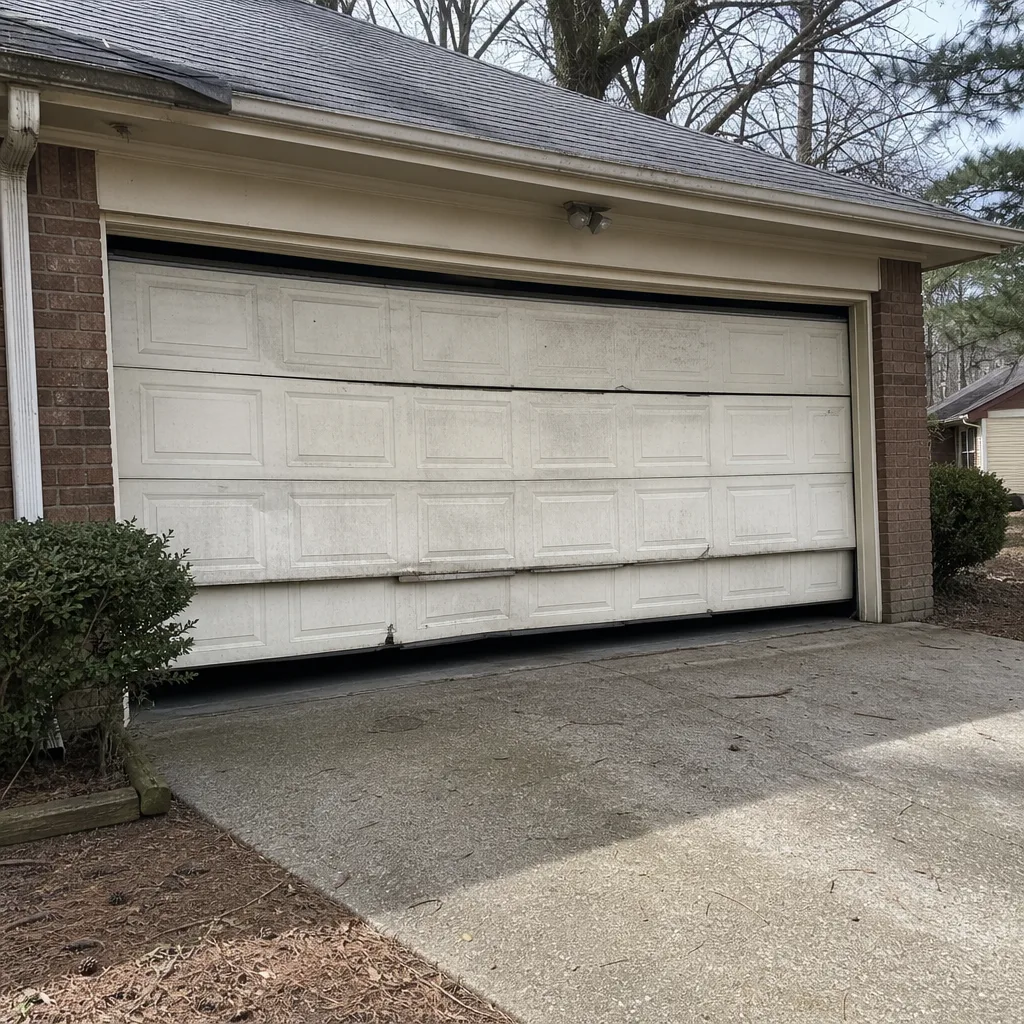 Before
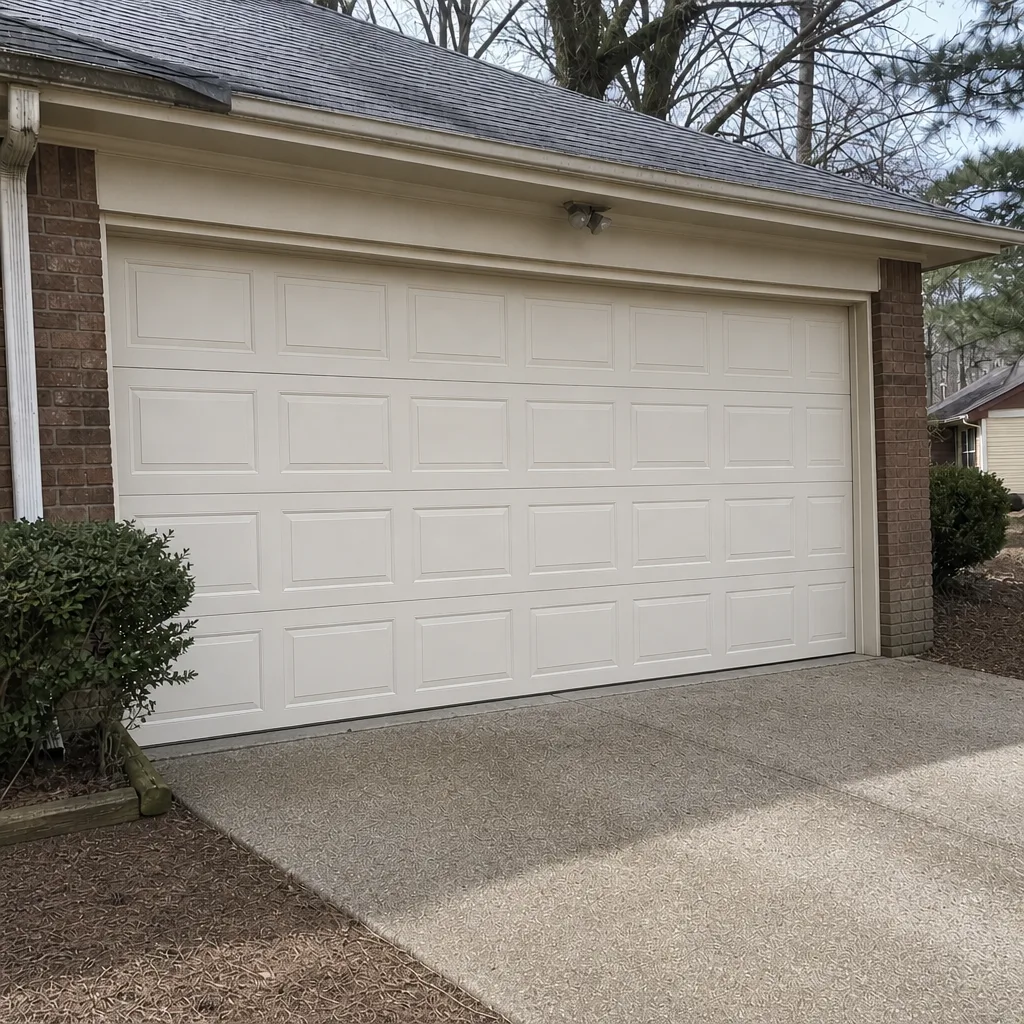 After
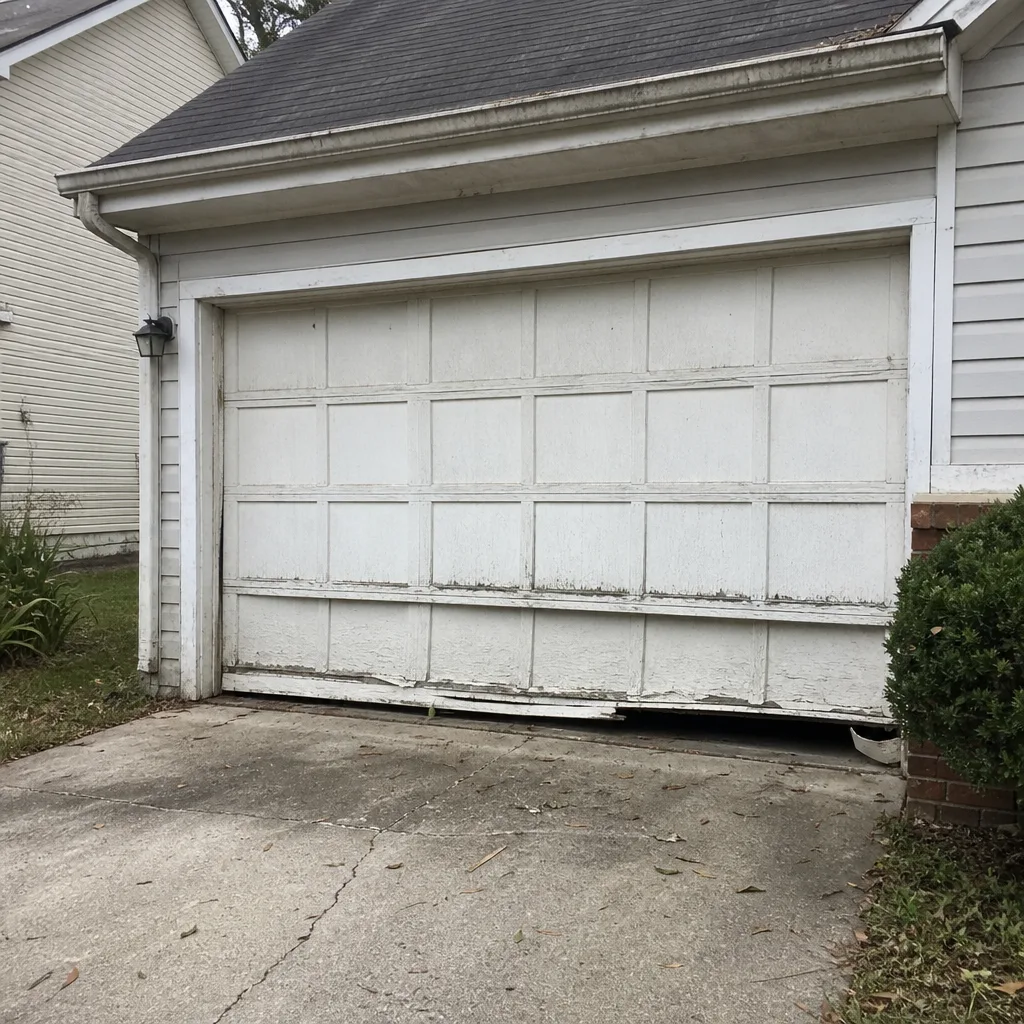 Before
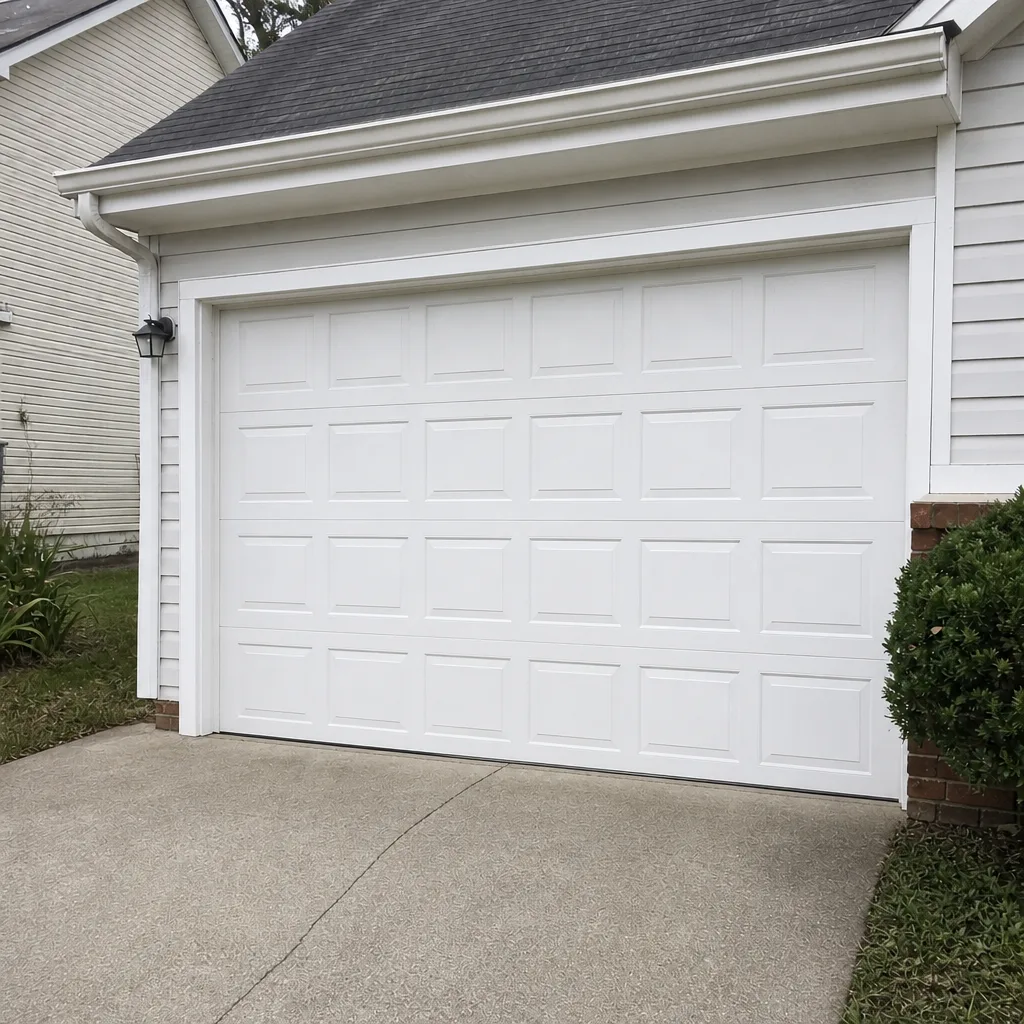 After
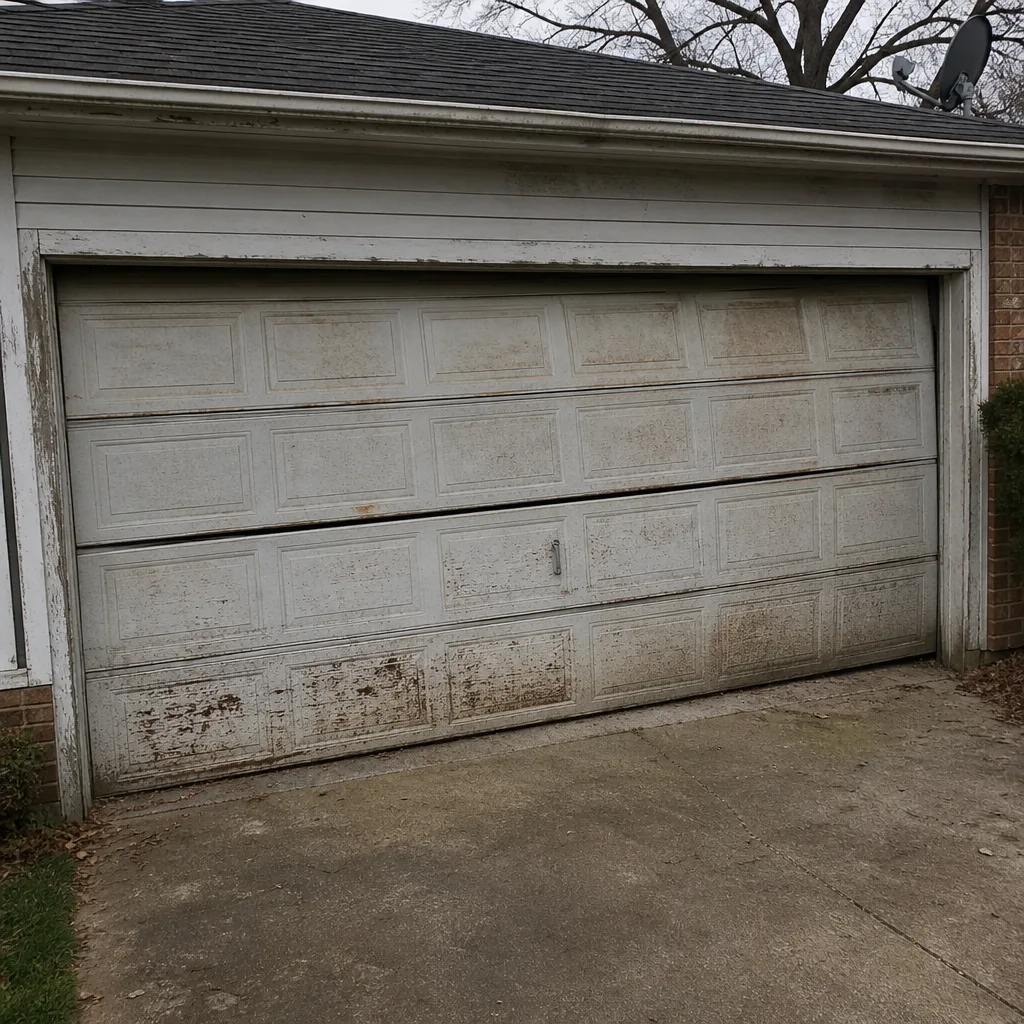 Before
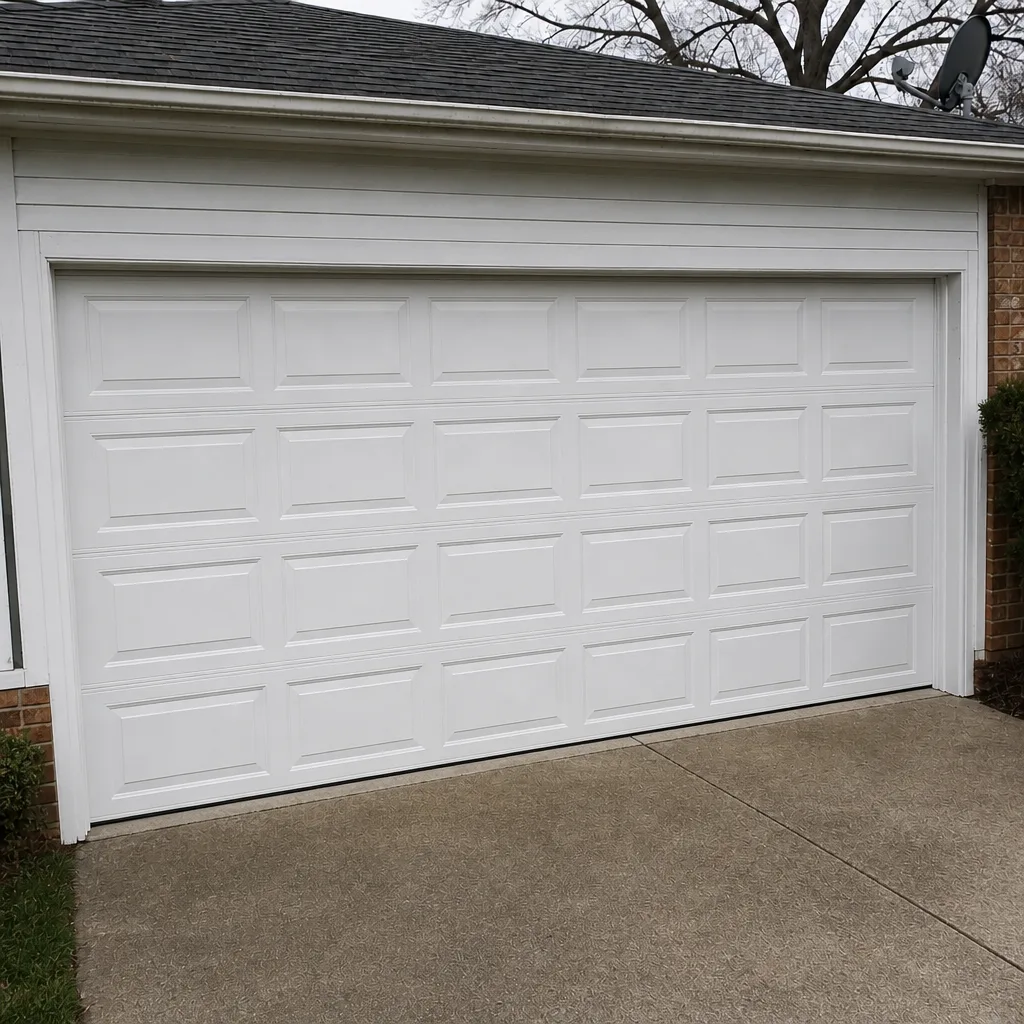 After
When to Call a Professional
Some garage door problems are safe to handle yourself; a lot are not. Call a professional when the spring is broken, when the door is off its track, when it won’t open or close at all, or when a storm has visibly bent the door or the frame. Call too if the door moves unevenly, if the opener cycles but the door doesn’t move, or if the door feels heavier than it should by hand. Those are the signs that a component under tension is failing, and the failure can be sudden. Our Duluth Garage Door Repair Co team offers free estimates in Duluth and same-day emergency service, and we quote and agree the price before any work starts. Call (833) 509-5428. Our technicians have up to 9 years of experience, we’re factory-familiar with the major brands, and we’d rather repair the system you have than sell you one you don’t need.
Frequently Asked Questions
Pull the manual release cord hanging from the opener trolley, then lift the door by hand. Pull the cord firmly straight down with the door closed, make sure the door’s inside lock is unlocked, and lift slowly. If you have a battery backup opener, try the wall control first; it may still have enough charge to run a cycle. If the door feels too heavy to lift or won’t stay up, don’t force it. Call (833) 509-5428; same-day emergency service is available for doors that won’t open.
Leave the door closed, don’t run the opener, and don’t try to lift the door by hand. A broken spring means the door’s full weight rests on whatever holds it, and forcing it can damage the tracks or drop the door. Disconnect the opener at the release cord, secure the vertical track with C-clamps if the door wants to rise, and call a technician. Spring repair is high-tension work that needs the right tools and training. Call (833) 509-5428 and we’ll get someone out the same day.
It depends on the damage. If the door is straight, all rollers are in the tracks, and it moves with even resistance by hand, one test cycle is usually safe. If a panel is bent, a roller is off the track, the frame is bent, or the door feels too heavy, leave it closed and have it inspected. The same is true after any storm in Duluth where the door took a direct hit from wind or debris. When in doubt, call (833) 509-5428; a quick inspection is much cheaper than a door that fails under load.
For most Duluth households, yes. Thunderstorms and severe weather bring outages that can last hours, and a battery backup keeps your door working through them. If your garage is your daily entry point, a backup is the single most useful upgrade you can make. Battery backup is available on models from LiftMaster, Chamberlain, Genie, and Raynor. Test the battery once a year and replace it on the manufacturer’s schedule so it’s actually there when you need it. Call (833) 509-5428 with your opener’s model number and we’ll tell you whether yours supports a backup or needs replacement.
A single spring replacement typically runs $180 to $340 in the Duluth market, and a matched pair runs about twice that because both springs are usually replaced together. The written estimate sets the final price, and we agree on it before any work starts. Spring work is the highest-tension part of the job, which is why we handle it as a specialty. Call (833) 509-5428 for an exact quote; estimates are free.
Check the door from outside first: look for bent panels, gaps between the door and the tracks, rollers that have popped out, and anything hanging loose at the top. Then look at the springs for visible gaps or rust, and check that the frame and header look straight. Don’t run the opener until the door is clear. If you’re not sure what you’re looking at, call (833) 509-5428 and we’ll inspect it for you.
The Bottom Line
Garage door emergencies in Duluth are mostly about preparation rather than luck. Learn where your manual release cord is, know how to secure a door after a spring snaps, and don’t run the opener on a storm-damaged door until it’s been checked. A battery backup opener is worth the investment for storm season. Keep an eye on the springs and the safety reverse feature, and call a specialist the moment something looks or sounds wrong. Our technicians have up to 9 years of experience, we work on every major brand, and we quote the price before the work starts. Call (833) 509-5428 for a free estimate.
Written by the team at Duluth Garage Door Repair Co.