Last updated November 23, 2026
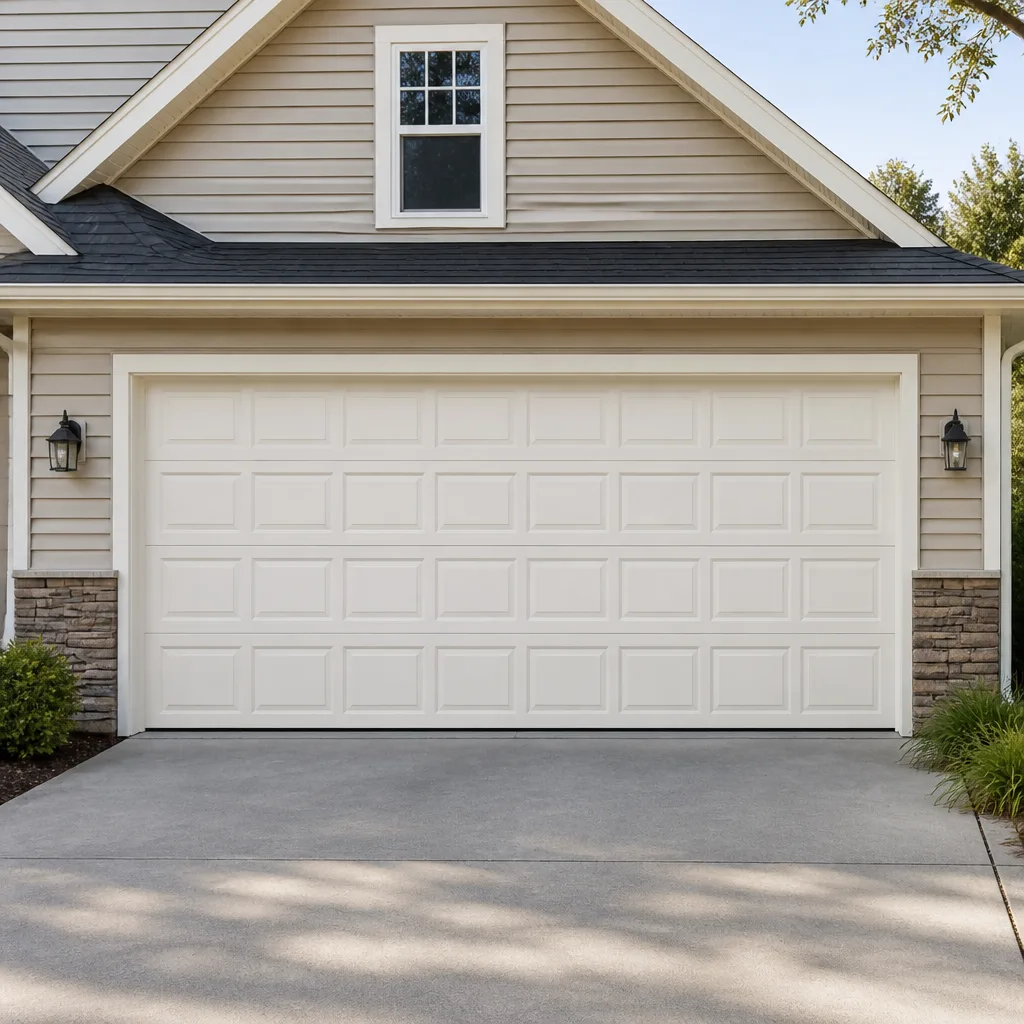 Raised-panel steel
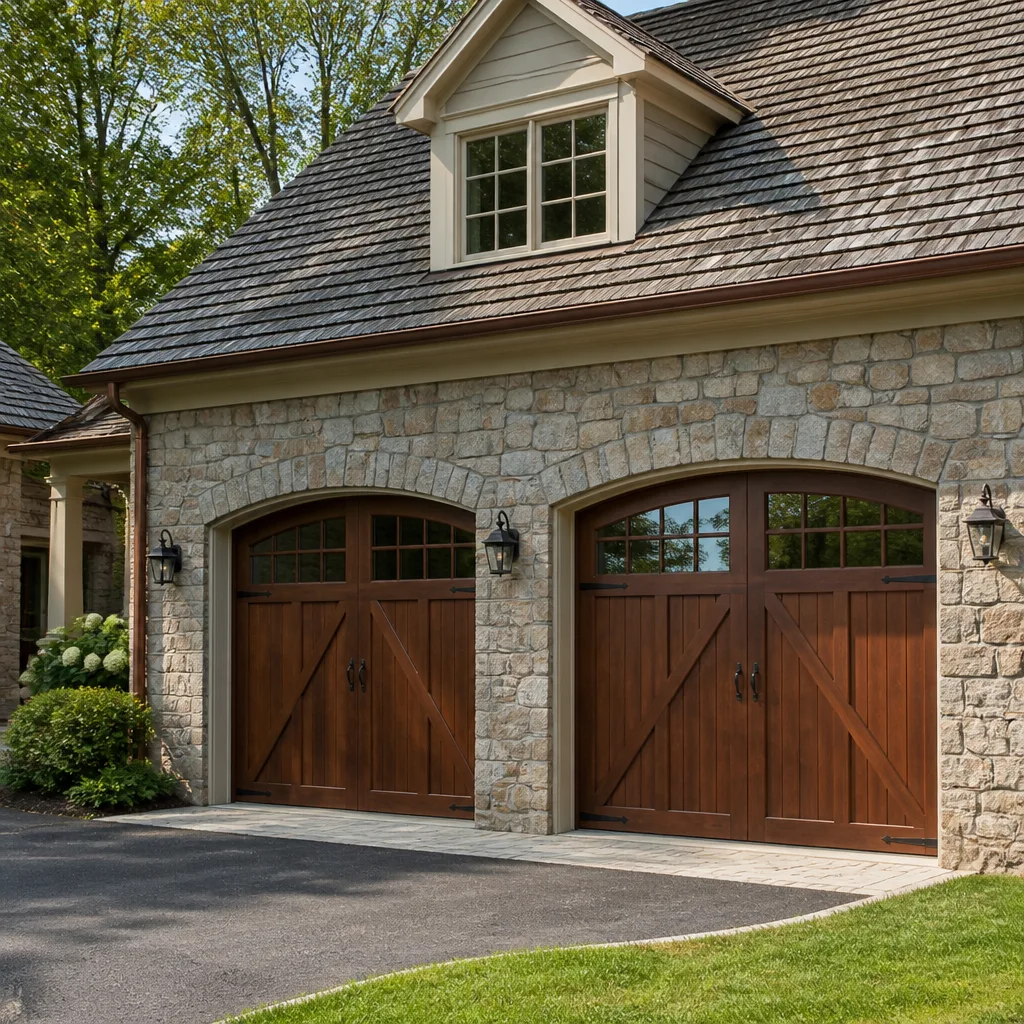 Carriage house
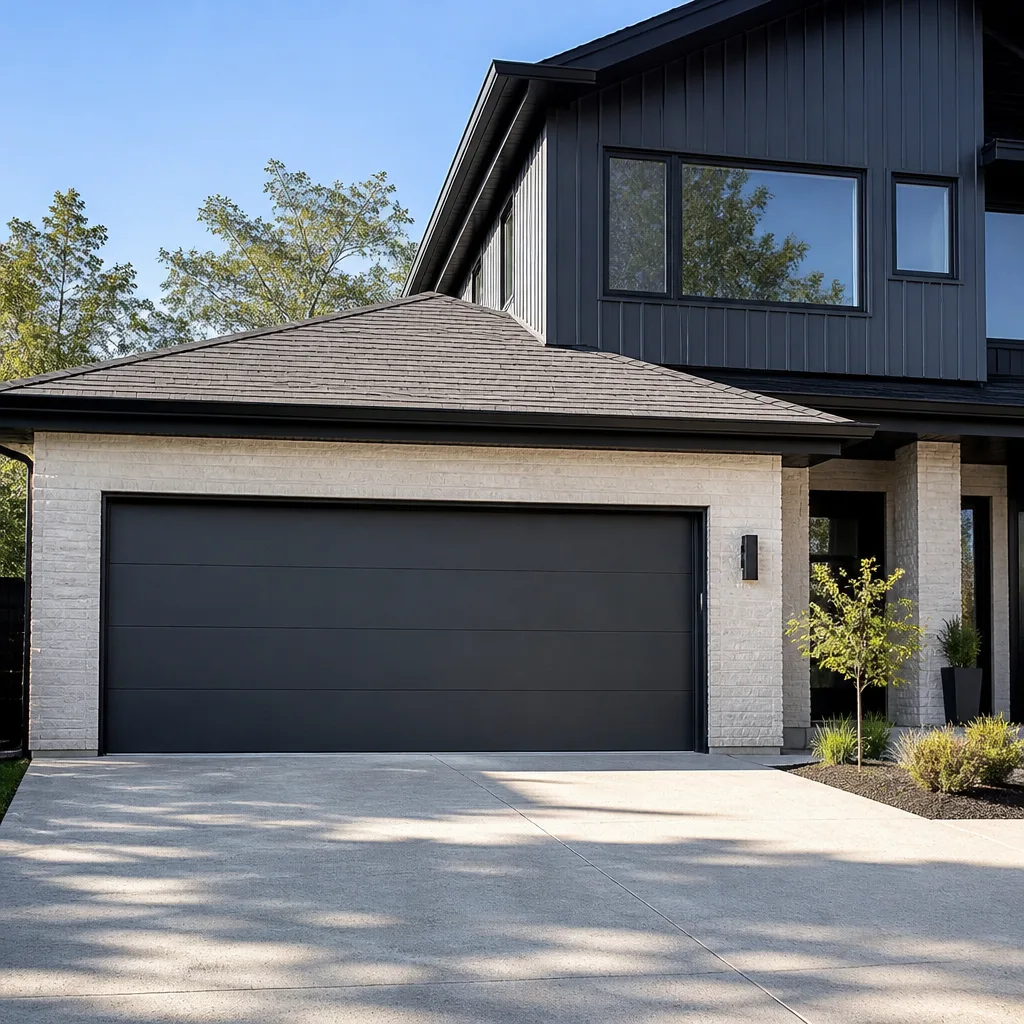 Modern flush
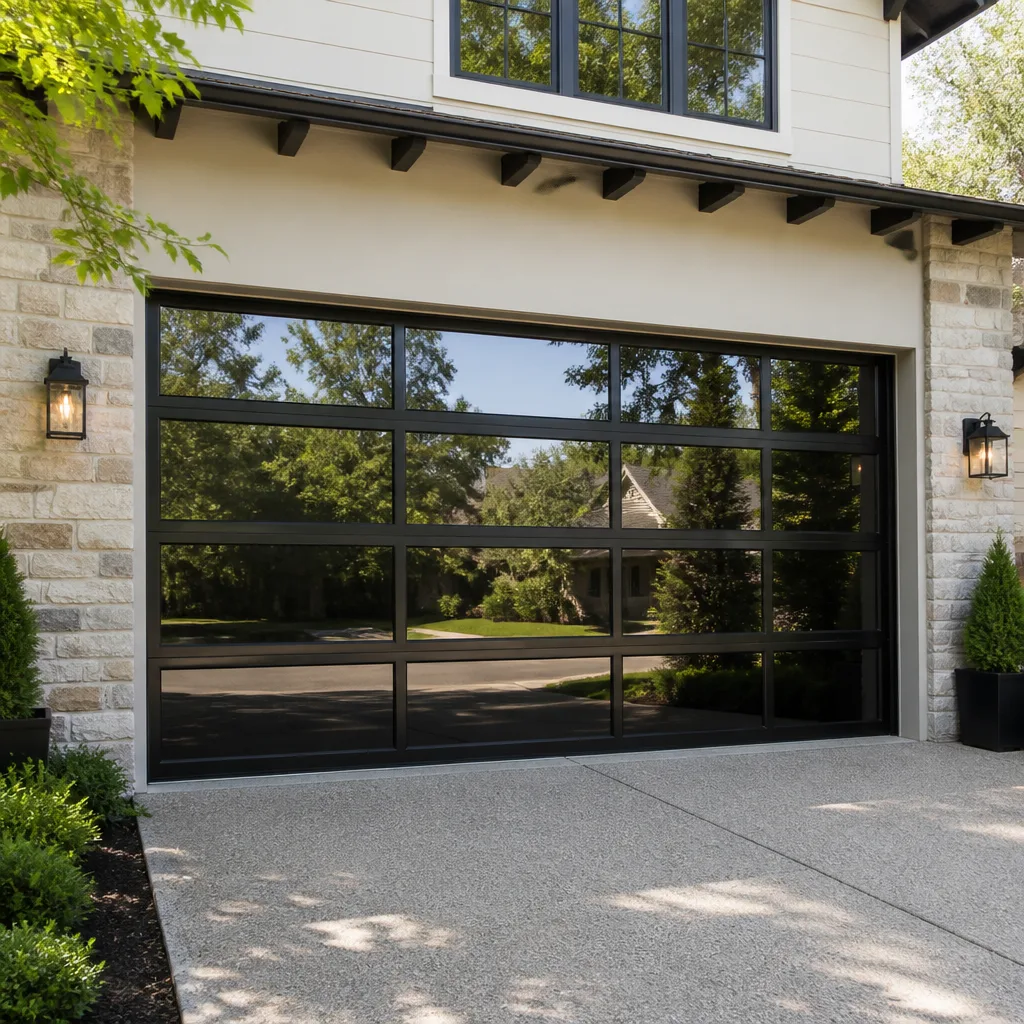 Full-view glass
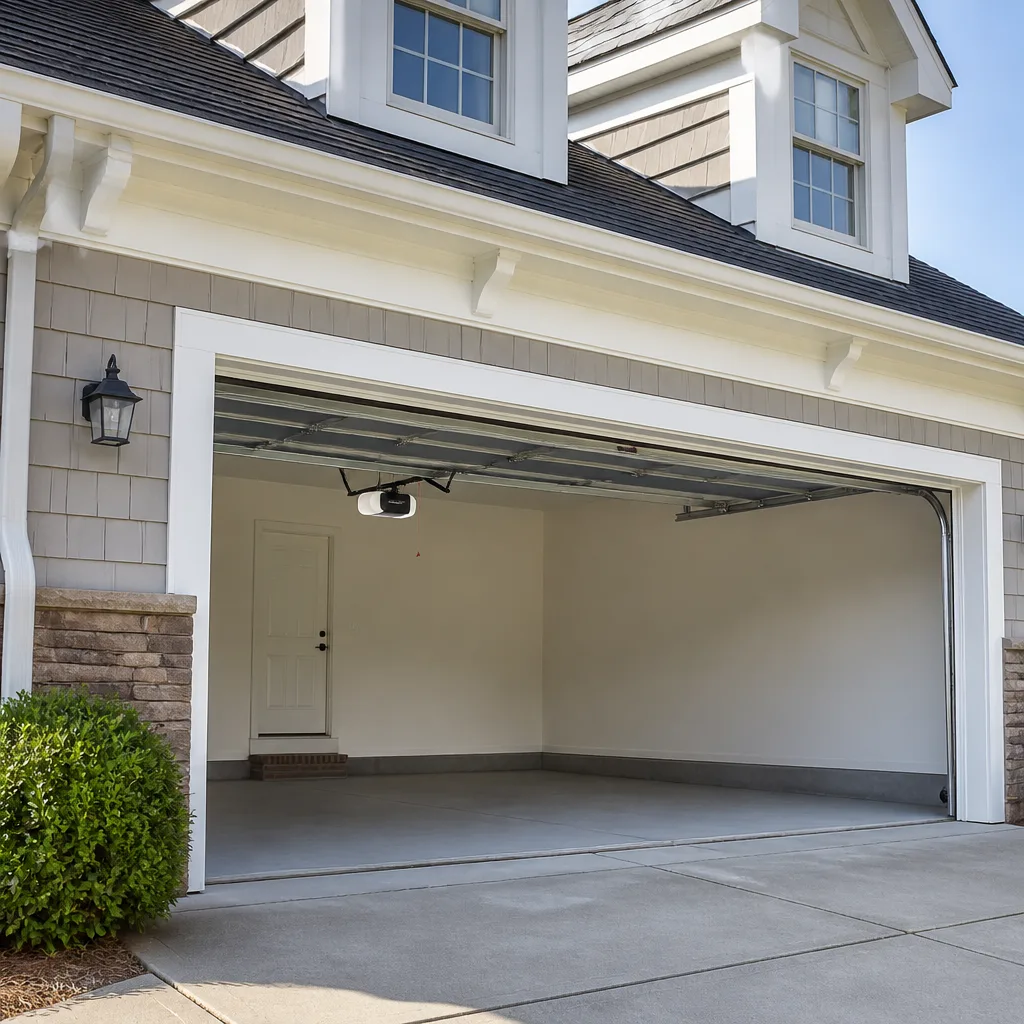 LiftMaster openers
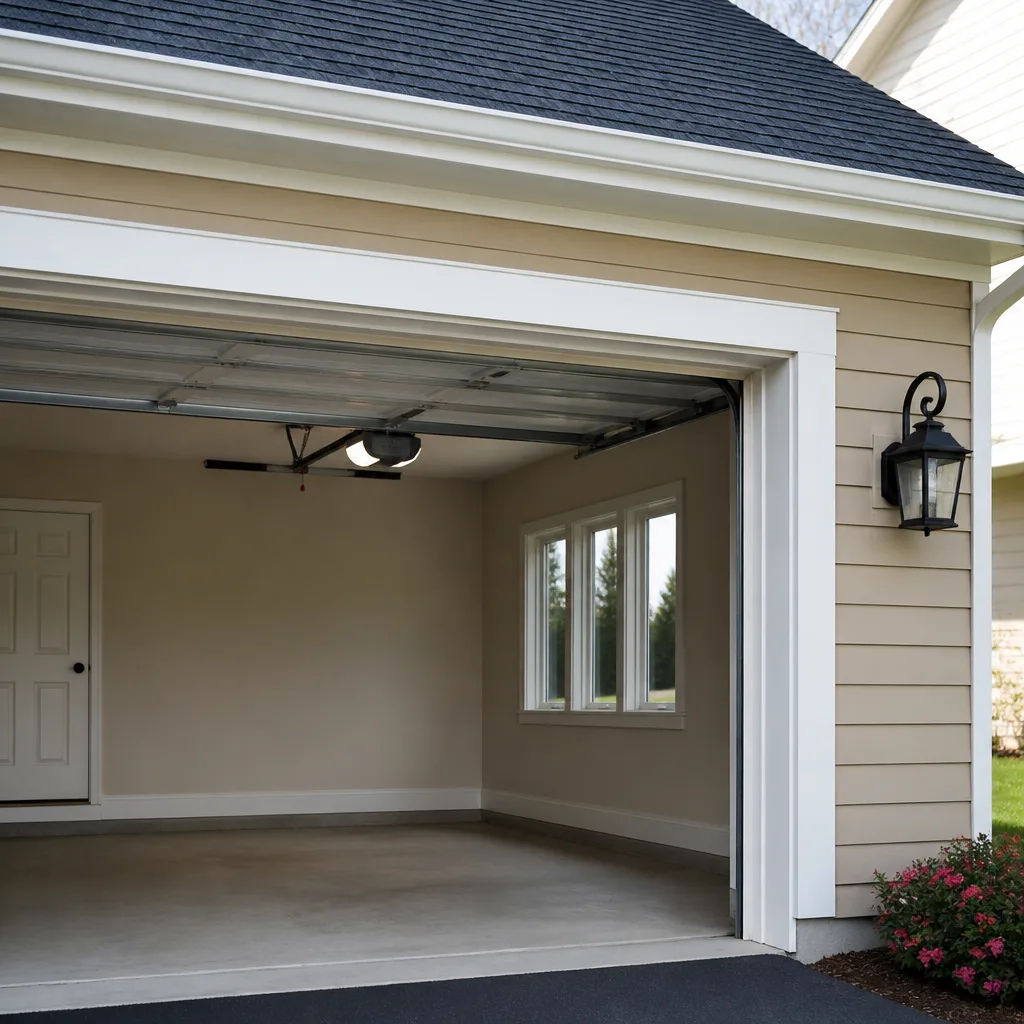 Chamberlain openers
Full 25-point door and opener safety check with every visit - springs, cables, rollers, tracks, and your LiftMaster or Chamberlain opener included
You get a price before we start. It does not change when the pro arrives.
Get your free estimateThe Complete Guide to Garage Doors in Duluth
Most garage door guides are written for a mythical average American home. Duluth is not that home. Here, expansive red-clay soil moves under foundations year after year, summertime humidity sits heavy on every metal track, and a good share of the subdivisions come with an HOA that has opinions about your door’s color and window pattern. That combination racks door frames, throws panels out of alignment, and quietly stresses springs in ways a generic national FAQ never mentions. This guide treats your Duluth house as the actual context. You’ll learn how local soil and climate affect a door, when a repair is enough versus when replacement is the smarter spend, what the brands actually available here mean for service, and how to spot a problem before it becomes an emergency.
Quick Answer
A garage door in Duluth usually fails for one of four reasons: worn or broken springs, misaligned tracks and panels caused by soil movement under the slab, a tired opener, or weather-seal and hardware wear from humidity and heat cycling. Most problems are repairable. Frame racking, sagging headers and repeated spring failures are the signals that a full replacement may cost less over time than chasing repairs. Call (833) 509-5428 for a free estimate and a straight answer on which path makes sense for your door.
Styles & brands we work with
- Raised-panel steel
- Carriage house
- Modern flush
- Full-view glass
- LiftMaster openers
- Chamberlain openers
Table of Contents
- Why the Duluth Home Is Hard on Garage Doors
- How Red-Clay Soil Movement Racks a Garage Door Frame
- Springs: Duluth’s Highest-Risk Garage Door Component
- How Duluth Humidity and Seasonal Swings Affect Door Materials
- HOA Finish and Color Rules in Duluth Subdivisions
- Repair or Replace? The Full Job Lifecycle
- Brands You’ll Find on Duluth Doors and What Service Them
- A Seasonal Checklist for a Gwinnett County Door
Why the Duluth Home Is Hard on Garage Doors
Duluth sits in Gwinnett County on soil that expands and contracts with the water table. In a wet spring the clay swells. Through a dry late summer it shrinks back. Your garage slab and the framing around the opening ride that movement, and a garage door is an unforgiving piece of machinery: it wants square tracks, level panels and a consistent gap on both sides. When the ground under one side of the opening shifts a fraction of an inch, the door doesn’t care about fractions. It binds, scrapes, and starts working against the opener.
That’s the local reality behind a lot of the calls we field in Duluth. Homeowners notice the door getting louder, or the opener straining, or a gap appearing along one side. They assume the opener is dying. Often the opener is fine and the opening itself has moved.
The other local factor is the housing stock. Duluth has a wide spread of subdivisions built across several decades, from older established neighborhoods to newer construction near the Berkeley Lake side. Each era used different door construction, different track gauges and different hardware. A 1990s steel door and a modern insulated door fail in different ways, and the repair approach isn’t the same. Knowing what a door is made of and how old the surrounding framing is matters as much as knowing the symptom.
- Expansive clay soil that moves seasonally and racks openings
- Humid summers that swell wood components and stress seals
- Mild but real winters with freeze-thaw cycles that work on slabs and driveways
- Mixed housing eras that mean mixed hardware and mixed failure patterns
All of that adds up to one point: a garage door in Duluth needs to be looked at in the context of the house around it, not judged against a national template. Our technicians have up to 9 years of experience and spend most of that time on doors in this kind of environment, which is why a proper assessment starts with the frame and the floor, not just the panels.
How Red-Clay Soil Movement Racks a Garage Door Frame
Frame racking is when the opening around your garage door goes out of square because the ground under it has moved. It’s the single most overlooked cause of garage door trouble in Duluth, and it produces a set of symptoms that look like a dozen other problems: a door that rubs on one side, panels that don’t sit flush, an opener that has to work harder to close, and springs that wear unevenly because the door’s weight isn’t distributed the way the springs were set up for.
Here’s what’s actually happening. The soil under your garage slab and footings is high-plasticity Georgia clay. When it takes on water it expands. When it dries out it contracts. Over a couple of seasons, one corner of the opening can settle slightly relative to the other. The door panels follow the tracks, and the tracks follow the framing, so a small movement at the base turns into visible misalignment at the top.
How you can tell racking from a simple hardware problem:
- Watch the gap. With the door closed, look at the space between the door edge and the weather seal on both sides. If one side is tight and the other has a visible gap that wasn’t there before, suspect movement.
- Listen for rhythm. A door with a bad roller makes noise at one spot. A racked door makes noise in the same place every single cycle, and the noise gets worse in dry weather.
- Check the panels for a consistent line. Close the door and step back. If the horizontal seams between panels are not parallel to the floor, the opening is likely out of square.
- Look at the springs. If springs keep failing on one side, or the door hangs low on one side when disconnected from the opener, the opening is probably the root cause.
What can be done about it depends on how far it’s gone. Sometimes the fix is adjustment: resetting the tracks and rebalancing the door. Sometimes it’s anchoring or shimming a track back to plumb. When the movement is severe and ongoing, a full replacement with proper attention to the opening is the honest recommendation. Diagnosing this correctly is the difference between a repair that holds and a repair that gets redone in eight months, and it’s a big part of why we look at the whole opening rather than just the symptom. If you’ve already got a door that’s binding, garage door repair is where that diagnosis starts.
Springs: Duluth’s Highest-Risk Garage Door Component
Torsion and extension springs carry the full weight of your door. They are under enormous tension, they wear out, and they are the most dangerous component on the entire system. When a spring breaks, the door becomes extremely heavy and can drop. We handle spring repair as a dedicated specialty rather than a side job, and we’d rather you understand the risk than try to match a video online.
Springs fail for predictable reasons. Every cycle stretches and relaxes the metal. Humidity accelerates corrosion at the coil. And in Duluth, the frame movement described above means the springs may be doing more work than they were designed to. A door that’s binding puts extra load on the spring on the working side, and a spring doing more than its share reaches its cycle limit faster.
Safety caveat: springs are not a do-it-yourself repair, and this is the one part of the door where we won’t walk you through the steps. A torsion spring under tension can cause serious injury if it releases unexpectedly, and the wrong tools or the wrong winding procedure is a genuine hazard. A trained technician uses proper winding bars and knows how to release tension safely. If your door is stuck open with a broken spring, keep people and vehicles clear and call for service.
Signs it’s time to have springs looked at:
- A loud bang from the garage followed by a door that won’t lift
- A visible gap in the spring coil on one side
- An opener that suddenly can’t lift the door at all
- A door that feels extremely heavy when you try to raise it manually
- Repeated spring failures on the same door
A spring replacement is usually straightforward once the correct spring is matched to the door’s weight and the opener is checked to confirm it isn’t straining. Our garage door spring repair service handles both the spring and the underlying alignment issue, because replacing a spring on a racked door just resets the clock on the next failure. Call (833) 509-5428 and we’ll tell you honestly what the door needs.
How Duluth Humidity and Seasonal Swings Affect Door Materials
Duluth runs humid in the summer and mild in the winter, and that cycle does specific things to specific door materials. Northern-climate guides talk about ice and road salt. That’s not the problem here. Here, the problem is moisture cycling: materials take on water, give it back, and do it again every year.
Steel doors are the most common in Duluth subdivisions, and they handle humidity reasonably well as long as the finish holds. Once paint chips or the bottom edge starts to rust, moisture gets behind the finish and the corrosion spreads from the inside. The bottom panel, closest to the wet driveway, takes the worst of it. An annual look at the bottom edge and the hinges tells you a lot.
Wood and wood-composite doors are the most sensitive to the swing. Wood swells in the humid months and shrinks in the dry ones, which can leave gaps at panel joints, loosen hardware, and warp panels over time. A wood door in Duluth needs more frequent inspection of the finish than the same door would need in a dry climate.
Aluminum doors resist corrosion well, which suits the humidity, but they dent more easily and the lighter panels can be more sensitive to a poorly balanced door.
Seals, gaskets and rollers are the parts nobody thinks about until they fail. The bottom weather seal that keeps rain and pests out hardens and cracks in the heat. Nylon rollers wear through their bearings. These are inexpensive parts, but a failing seal lets moisture into the garage, and a failing roller puts extra strain on the opener and the tracks.
The takeaway: in Duluth, inspect materials and seals every year, and look at the bottom of the door first. It’s the part working closest to standing water in a humid climate, and it’s the part that gives you the earliest warning.
HOA Finish and Color Rules in Duluth Subdivisions
If you live in one of Duluth’s HOA communities, the color, finish and window pattern on your new garage door may need approval before you order it. Sugarloaf Country Club and the Berkeley Lake area communities are the obvious examples, but plenty of other Duluth subdivisions carry architectural review requirements too. The rules vary from one covenant to the next.
The practical upshot is a sequencing issue. A door has to be ordered in a specific size, material, color and window configuration. If you place that order and then find out the architectural committee wanted a different shade, the door still has to go somewhere. It’s a lot easier to get the approval first.
What to check before you order:
- Read your covenant. It will usually name the approval body and the process.
- Get the approved color list. Many HOAs restrict door colors to a set that matches the community.
- Confirm the window and panel style. Some covenants specify a window pattern or prohibit certain designs.
- Submit the request in writing. Most committees want a drawing, a photo of the proposed door, or manufacturer documentation.
- Get written approval. Keep it on file, then order the door.
One more note: if your door is being replaced because of a failure, and your covenant requires an approval process, a temporary board-up or a repair to the existing door can buy you time while the paperwork goes through. We’d rather repair a door that keeps you secure for a few weeks than rush a replacement that the HOA rejects.
If you’re planning a replacement, our Duluth Garage Door Repair Co team can talk through door styles and finishes that are common in local communities, and we won’t promise you an approval we can’t give. That’s between you and your committee, but we can make sure the door you order matches what you’ve had approved.
Repair or Replace? The Full Job Lifecycle
A garage door isn’t a single component; it’s a system of panels, tracks, springs, cables, rollers, hinges and an opener. Different parts wear out on different timelines, and that’s why the repair-versus-replace question depends on which parts are failing and how many of them are failing at once.
Repair is usually the right call when the problem is isolated. A single broken spring, a worn-out opener motor, a set of rollers, a bent track, a torn bottom seal – all of those are repairable, and repairing a sound door is almost always the smarter spend.
Replacement starts to make more sense when the failures stack up or when the structure itself is the problem. Here’s the way to think about the decision:
- Repair when the door panels and structure are sound and the problem is in one component or one area
- Repair when the door is functional and the issue is an opener that’s worn out – garage door opener repair is often cheaper than you’d expect
- Replace when the frame is significantly racked and repairs keep failing
- Replace when panels are corroded through, delaminated or structurally compromised
- Replace when you’re facing several failures in a short window and the cumulative cost is climbing
- Replace when the door no longer meets your security or insulation needs
We work on the full lifecycle, which means we don’t have to hand you off to a second company when a repair eventually becomes a replacement. Our approach is repair first, replace only when necessary. If the honest answer is that a repair will get you another year and replacement is the better spend, we’ll say so. If the honest answer is that a replacement isn’t warranted yet, we’ll say that too. Every job is quoted and agreed before any work starts, so you know the number before anyone touches the door.
For a replacement, the process is measured and scheduled, not rushed. That means a free measure, a written quote, and a door ordered to fit your opening. The measurement matters more in Duluth than in a lot of places because a racked opening may need adjustment before a new door goes in. If you want a same-day fix for a broken door, that’s a different path – call (833) 509-5428 and we’ll figure out the fastest option for your situation.
Brands You’ll Find on Duluth Doors and What Service Them
Duluth garages carry every major brand you’d expect to find across Gwinnett County, and the practical problem most homeowners run into is a technician who only knows one or two systems. We work on the brand you already own. That matters most on openers, where the remote programming, travel limits, force settings and safety sensor behavior all differ between brands.
What you’ll find on the doors here:
- LiftMaster and Chamberlain openers are among the most common in Duluth subdivisions, and their repair paths are well understood by our technicians
- Craftsman openers show up on a lot of older doors, and parts and settings can still be serviced rather than replaced
- Raynor doors appear on some of the older homes in established Duluth neighborhoods, and panel and hardware issues are repairable
- Clopay, Amarr and Wayne Dalton doors cover most of the rest of the market for both repair and replacement
- Genie openers round out the picture, especially in homes where the original opener is still in place
Why this matters in practice: an opener that’s programming itself out of alignment, or a safety sensor that won’t close the door, is usually a fix, not a replacement. A technician who knows the brand’s actual behavior can diagnose it in a visit. A technician who doesn’t may recommend a new opener because that’s the only path they know. We prioritize repair over replacement wherever it’s safe and sensible. Our opener specialist service is designed around that idea: fix the actual system, not the symptom.
For door panels and hardware, the same logic applies. A Clopay bottom panel with rust-through can’t be repaired; the panel has to be sourced. A Wayne Dalton hinge that’s worn can. Knowing which is which, and which parts are available, is a big part of what makes a local specialist useful. If your opener is the problem, the opener page walks through the common failure modes. For everything else, call (833) 509-5428.
A Seasonal Checklist for a Gwinnett County Door
A few minutes of inspection a few times a year catches most problems before they become emergencies. This is the checklist we’d give a Duluth homeowner who wants the door to keep working without surprises. Nothing here requires you to work on the springs or cables.
- Look at the bottom edge and seal. In a humid climate this is the fastest way to catch corrosion and water intrusion. Replace a hardened or cracked bottom seal promptly.
- Watch the door’s travel twice a year. A door that runs smooth in spring but grinds in late summer is telling you the opening has moved. That’s worth a professional look.
- Test the safety reverse. Put a small object in the door’s path and confirm the door reverses. This is a safety check, and it should be part of every inspection.
- Listen to the opener. Grinding, straining or a motor that runs without moving the door points to a problem that’s cheap to fix now and expensive to ignore.
- Check the tracks for obvious bends. Tracks should be straight and the door should run without rubbing. If the door is binding, stop using it and call.
- Inspect hardware for rust. Hinges and rollers that are corroding should be replaced before they seize. This is a small job with a big effect on how the door runs.
- Look at the paint and finish. Chipped paint on a steel door invites rust. Touch it up before the wet season, not after.
- Get a professional tune-up once a year. A technician can check spring tension, balance, alignment and opener force settings – all things worth not doing yourself.
That said, there’s one thing to add: if your door has been binding and you’ve been adjusting things to keep it running, get it looked at properly. Repeated adjustments to tracks and springs are a sign something structural needs attention, and the right repair now is cheaper than a replacement you didn’t plan for.
Common Mistakes to Avoid
- Assuming every problem is the opener. An opener that strains is usually the messenger, not the cause. A binding door, a racked frame or a failing spring will burn through a perfectly good opener, and a new opener won’t fix any of those things.
- Ignoring the frame. In Duluth, movement under the slab is real, and a door aligned to a moving frame won’t stay aligned. Any repair that doesn’t check the opening is only treating the symptom.
- Adjusting springs yourself. This is the one thing on the list that can seriously hurt you. Springs are under extreme tension. A trained technician has the tools and the technique, and no guide or video replaces that.
- Ordering a new door before checking HOA rules. A wrong-color or wrong-style door that’s already been manufactured is an expensive mistake in any Duluth community with architectural review.
- Choosing a door on looks alone. Material, insulation and finish all affect how a door holds up to Duluth’s humidity. A door that looks great and can’t take the moisture cycle is a bad buy.
- Skipping the annual inspection. Small roller and seal problems are cheap. Caught late, they wear tracks and springs, and the repair bill climbs.
- Calling a generalist for a specialist problem. Garage doors are a system with specific failure patterns. A handyman who’s never worked on a racked frame may recommend a replacement that isn’t needed, or a repair that won’t hold.
See the difference
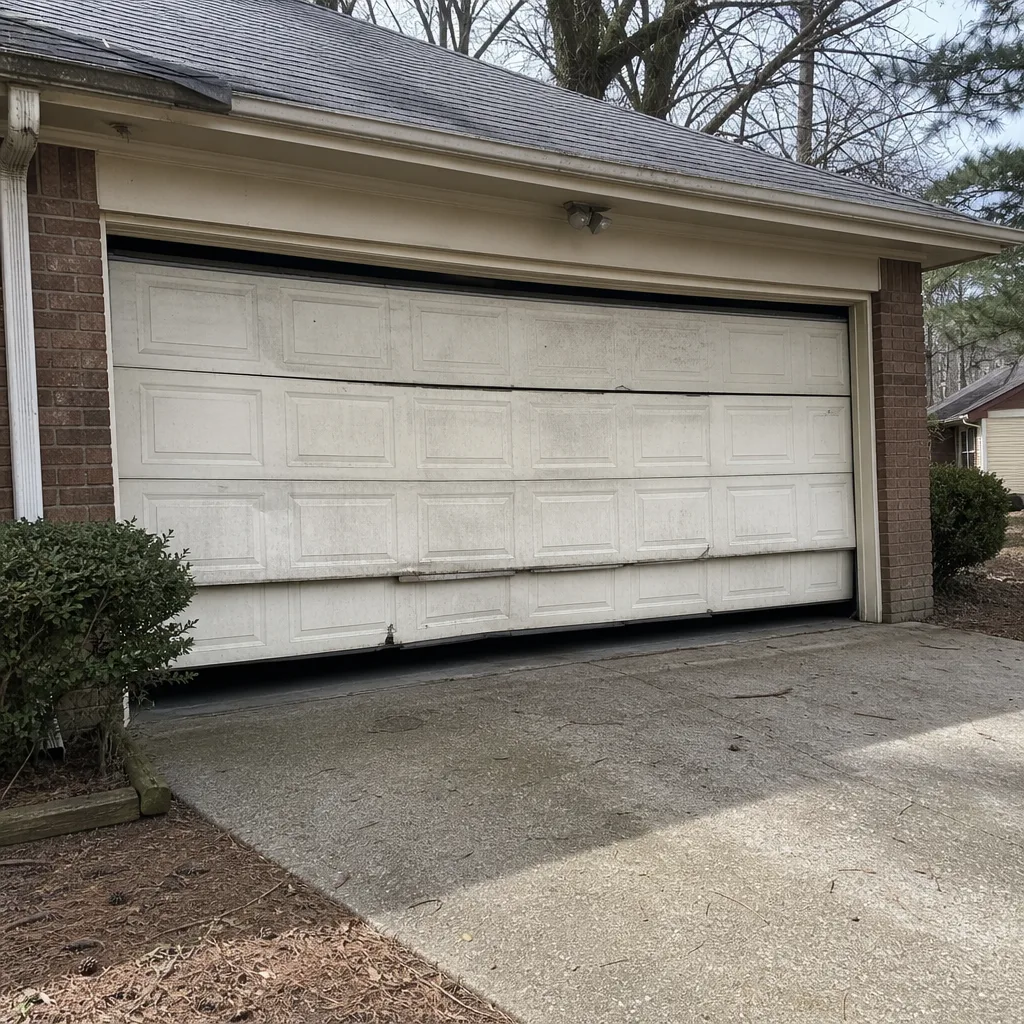 Before
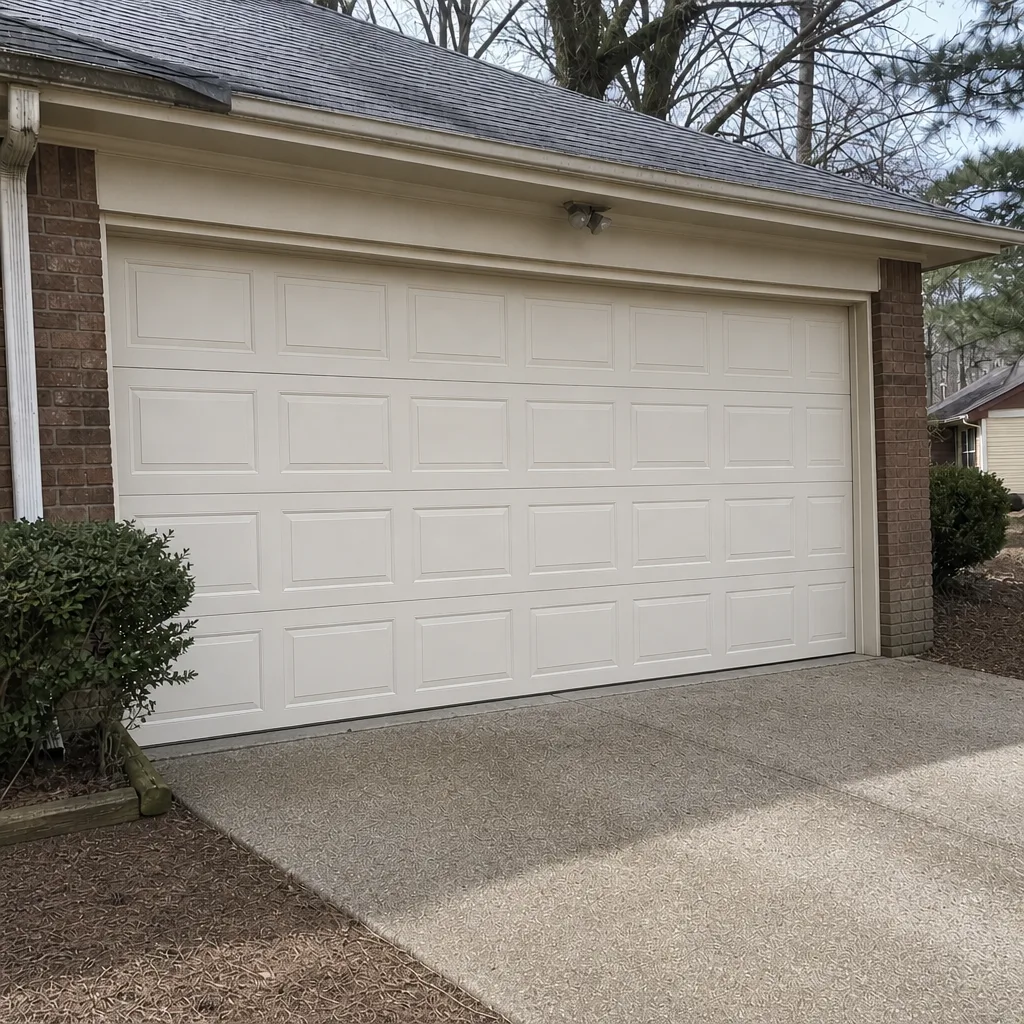 After
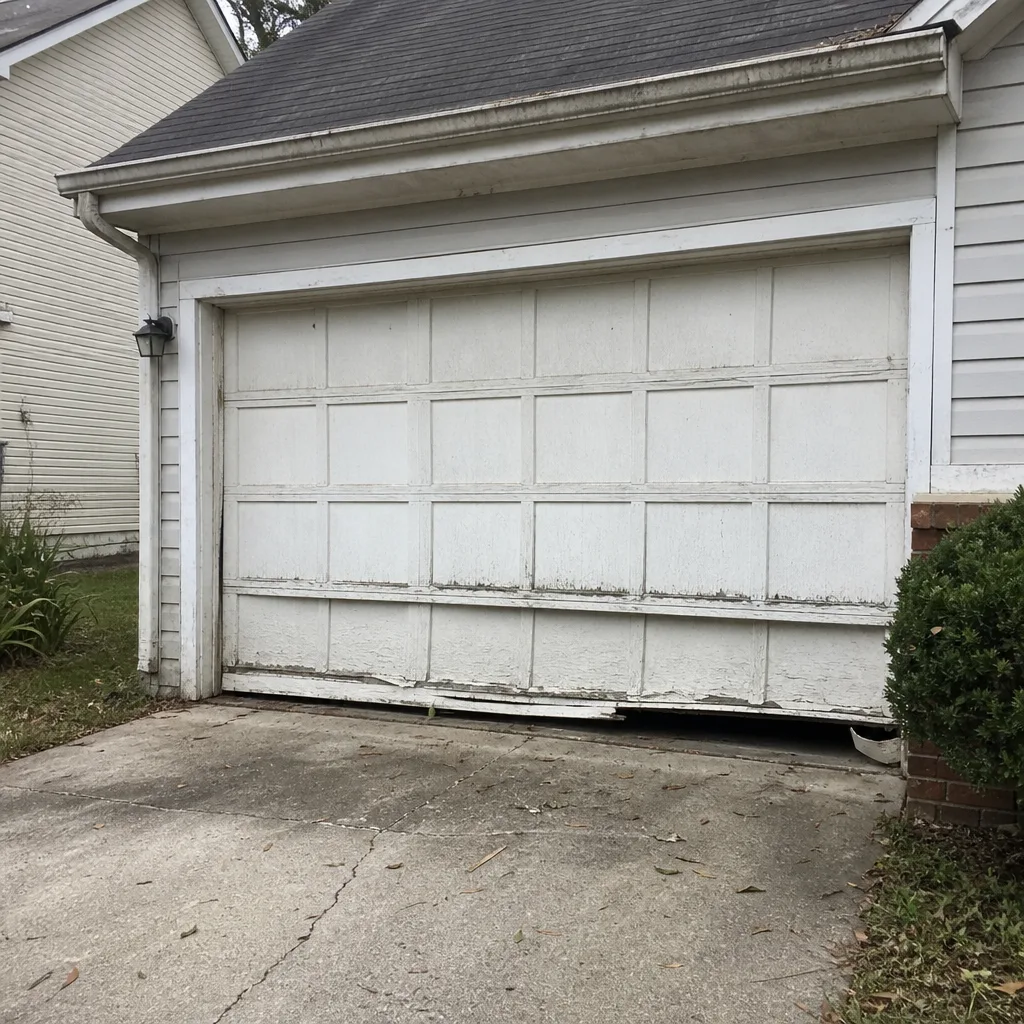 Before
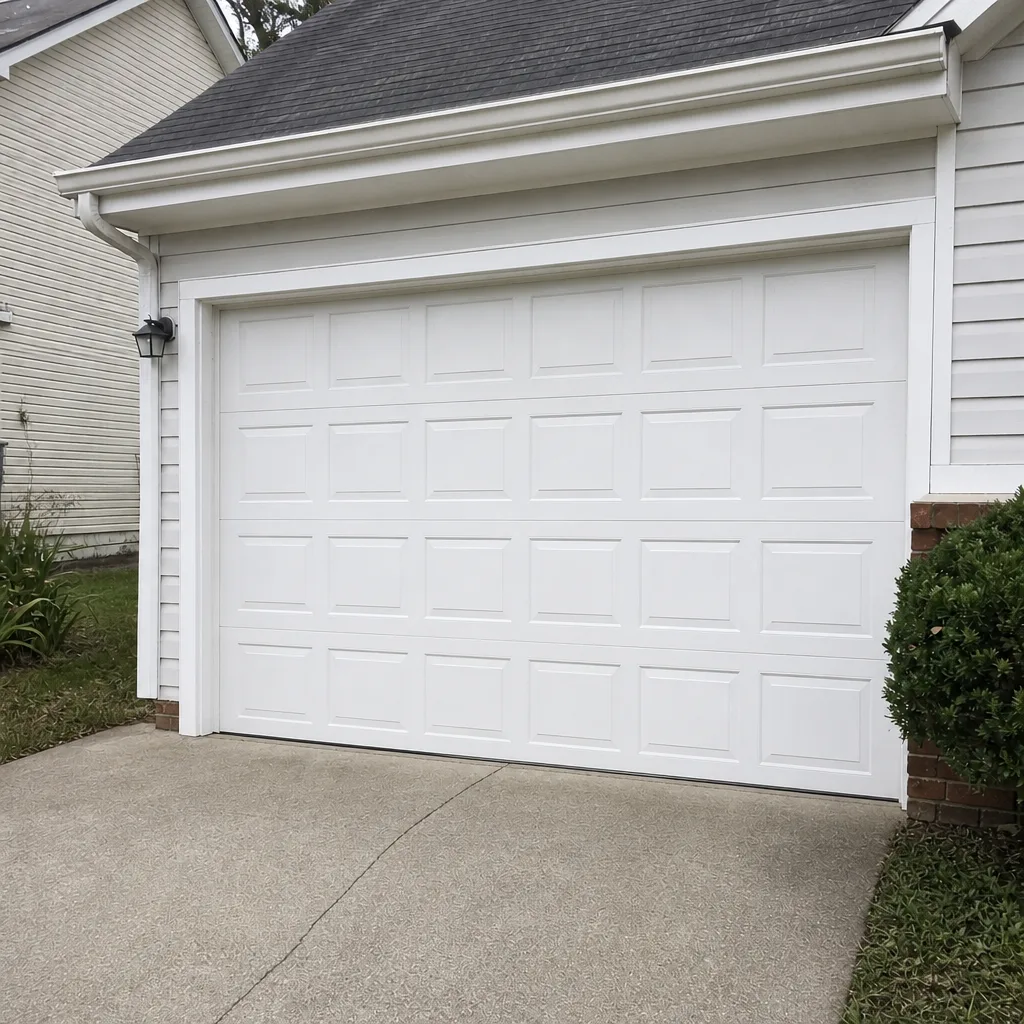 After
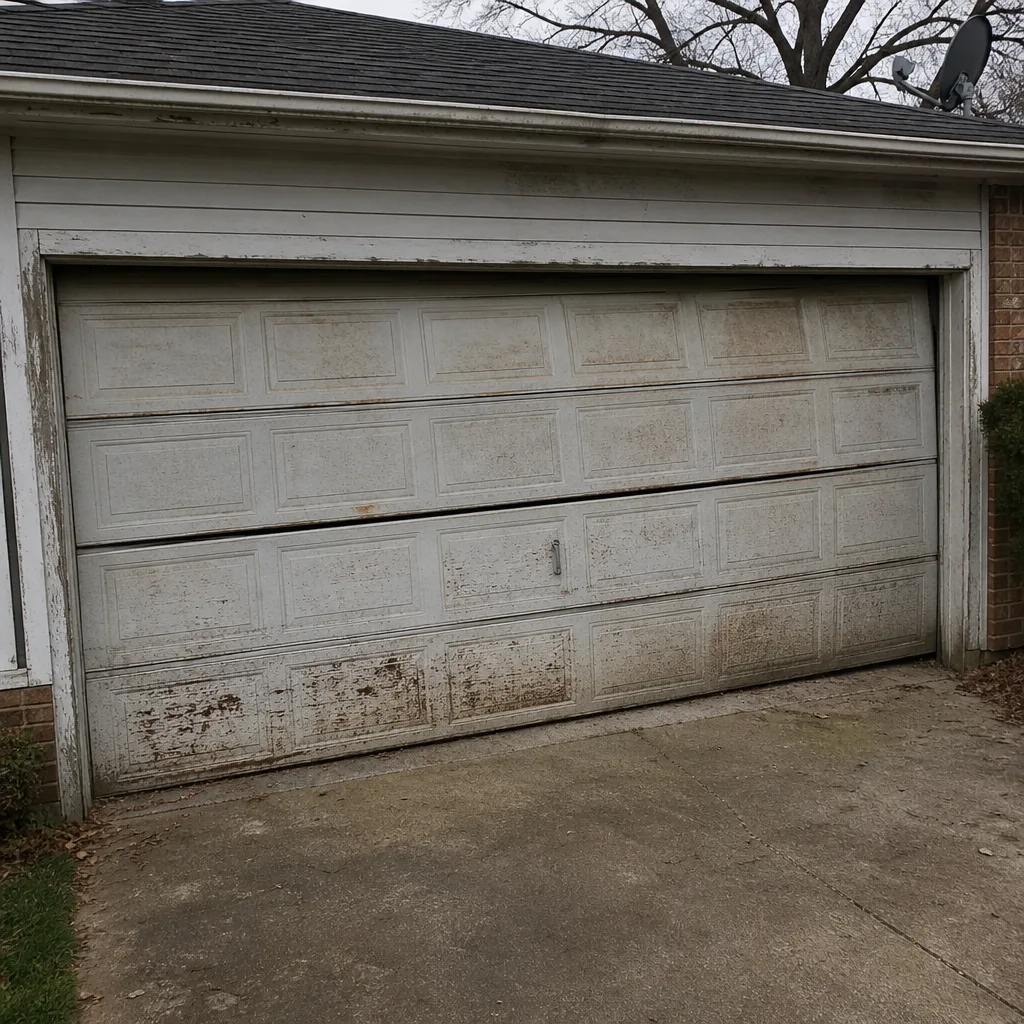 Before
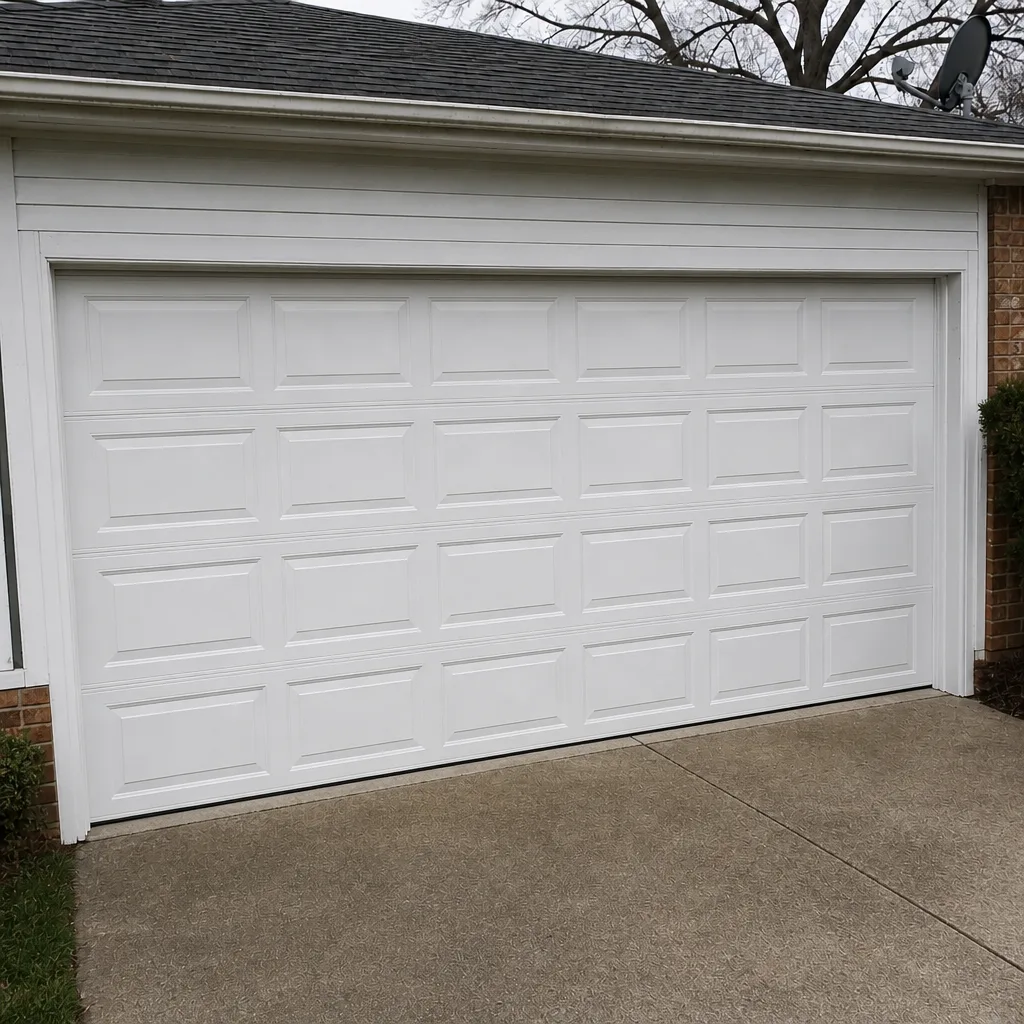 After
When to Call a Professional
Call a professional for anything involving springs, cables, or the alignment of the door within the frame. Those are the jobs where the wrong approach is genuinely hazardous or leads to a repair that fails. Call when the door is stuck open or closed and you can’t secure it – that’s an emergency and we offer emergency garage door service for urgent failures. Call when the opener runs but the door doesn’t move, when the door binds or grinds, when you hear a bang from the garage, when the bottom seal is failing, or when you’re planning a replacement and want a real measurement and a written quote instead of a guess. Duluth Garage Door Repair Co offers free estimates in Duluth – call (833) 509-5428. The price is quoted and agreed before any work starts, and the written estimate is the number you’ll pay.
Frequently Asked Questions
A single spring replacement in the Duluth market typically runs in the $180 to $340 range, and a matched pair is usually replaced together, which roughly doubles that figure. The final price depends on the spring type, the door’s weight and whether the opening needs realignment. The price is set in a written estimate before work begins, so you’ll know the number in advance. Call (833) 509-5428 for an exact quote – estimates are free.
Yes, we offer emergency garage door service and can often respond same day for a door that won’t close or open, because that’s a security and safety problem. Fast dispatch runs from 7am to 7pm, free estimates are standard, and the price is agreed before any work starts. Call (833) 509-5428 and we’ll book the soonest available window.
No. The price we quote and agree to before work starts is the price you pay. If the door turns out to have a different problem than expected, we’ll show you what we found and quote the work before we do it. You don’t get an invoice bigger than the quote. Call (833) 509-5428 to set up a free estimate.
The local professionals we connect you with are licensed and insured as their state requires, and our technicians have up to 9 years of experience with the major door and opener brands. We work on the brand you already own, so you’re not handed off to someone who only knows one system. Call (833) 509-5428 to get started.
In Duluth, summer rubbing is usually soil movement showing up as a slightly out-of-square opening. The clay under the slab expands in wet weather, the framing shifts, and the door follows the tracks. It can also be a worn roller or a bent track. A proper look will tell you which. Call (833) 509-5428 for a free estimate and an honest answer.
In most cases, yes. We repair openers across all major brands and prioritize repair over replacement wherever it’s safe and feasible. A worn gear, a failed safety sensor or a control board problem is often fixable at a fraction of a new unit’s cost. Call (833) 509-5428 and we’ll tell you honestly whether a repair makes sense.
The Bottom Line
A garage door in Duluth lives in a harder environment than the national guides account for. Red-clay soil movement racks openings, humidity cycles stress seals and materials, and HOA rules shape the replacement decision. The practical takeaway is to treat the door as a system within the house. Watch the bottom edge and the travel pattern, get an annual inspection, and don’t ignore frame movement or lingering spring problems. Most issues are repairable; the expensive ones are the ones that got ignored. When you need a specialist, we’re here for repairs, springs, openers and full installation, with estimates that are free and prices agreed before work starts. Call (833) 509-5428 for a free estimate.
Written by the team at Duluth Garage Door Repair Co.