Last updated November 23, 2026
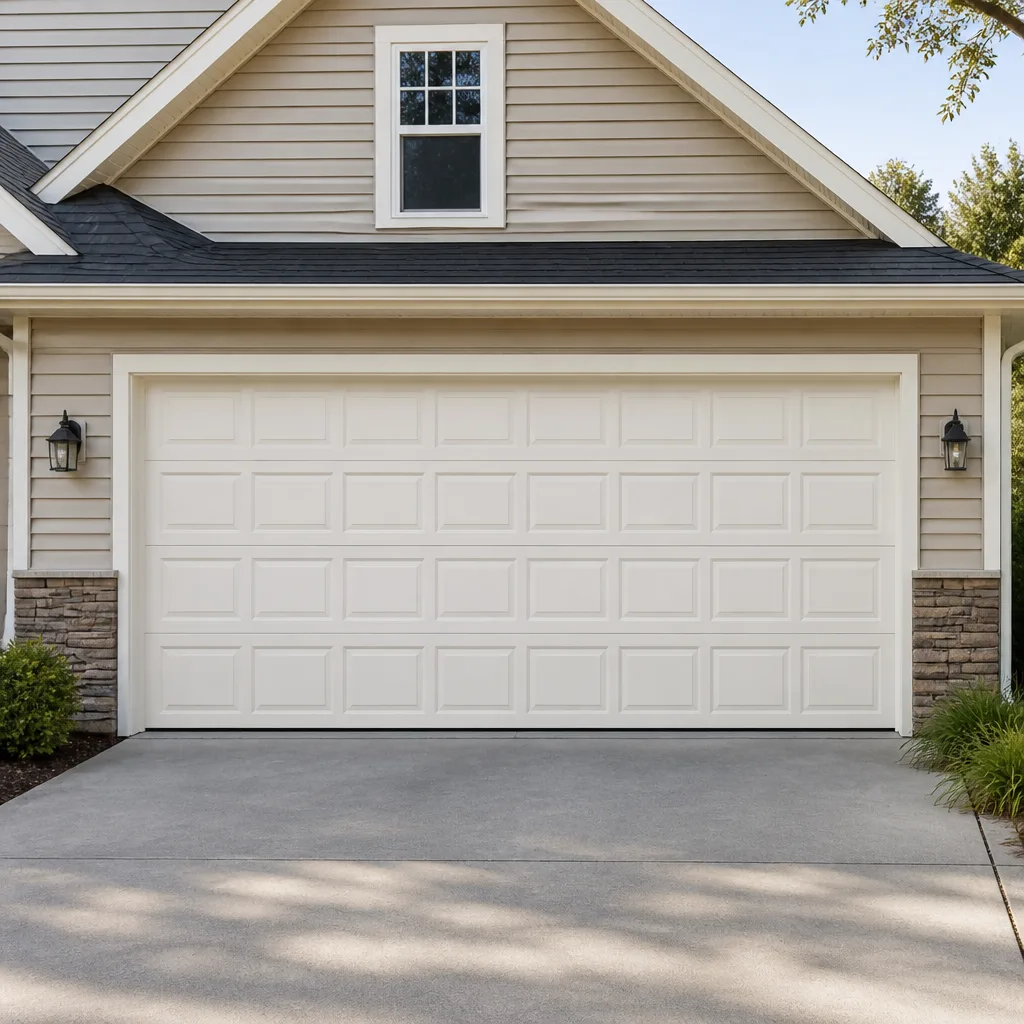 Raised-panel steel
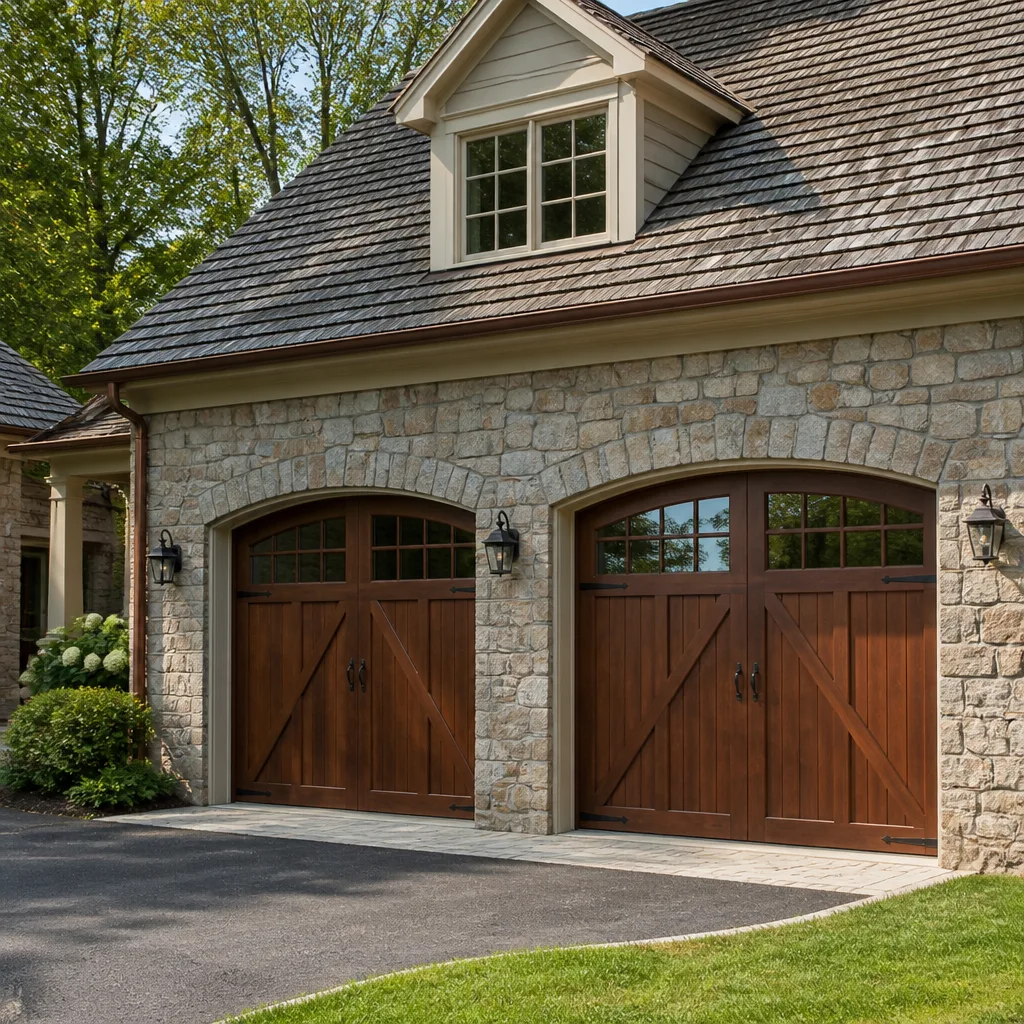 Carriage house
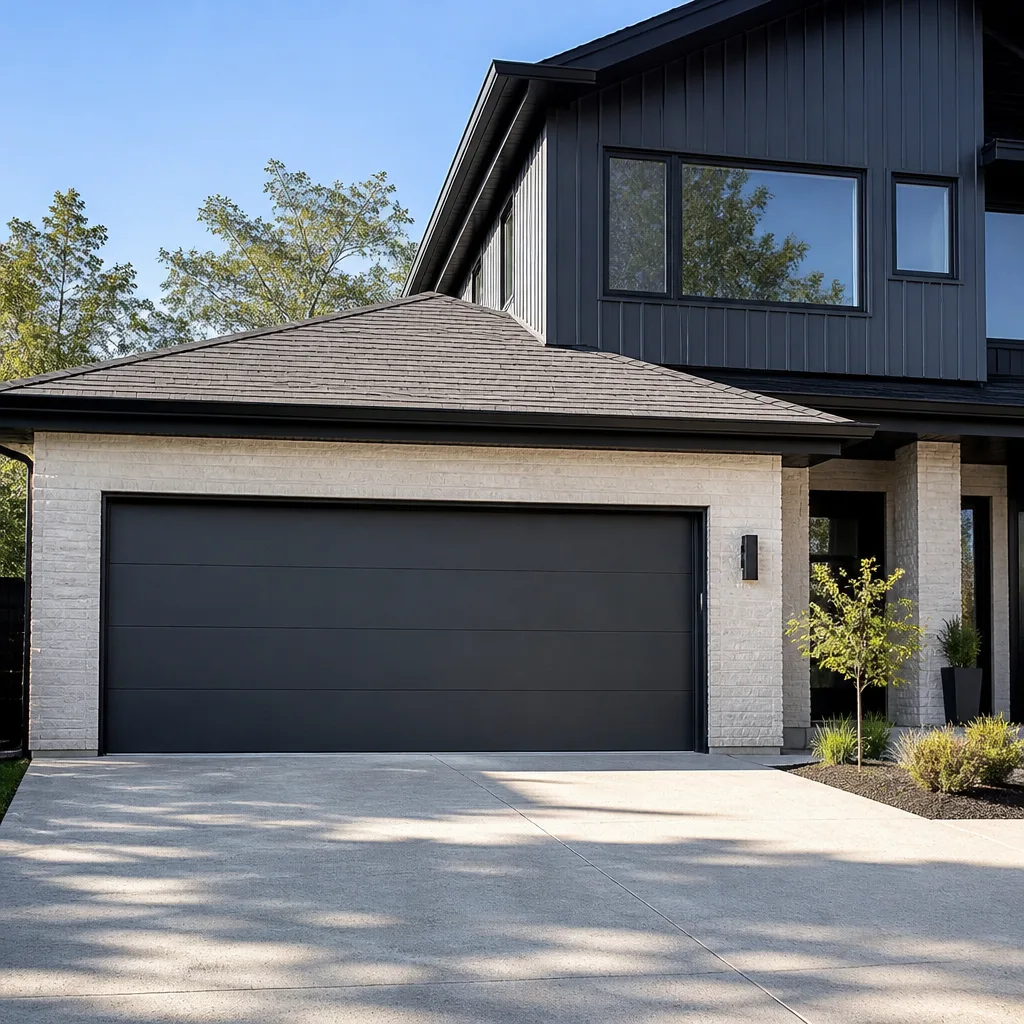 Modern flush
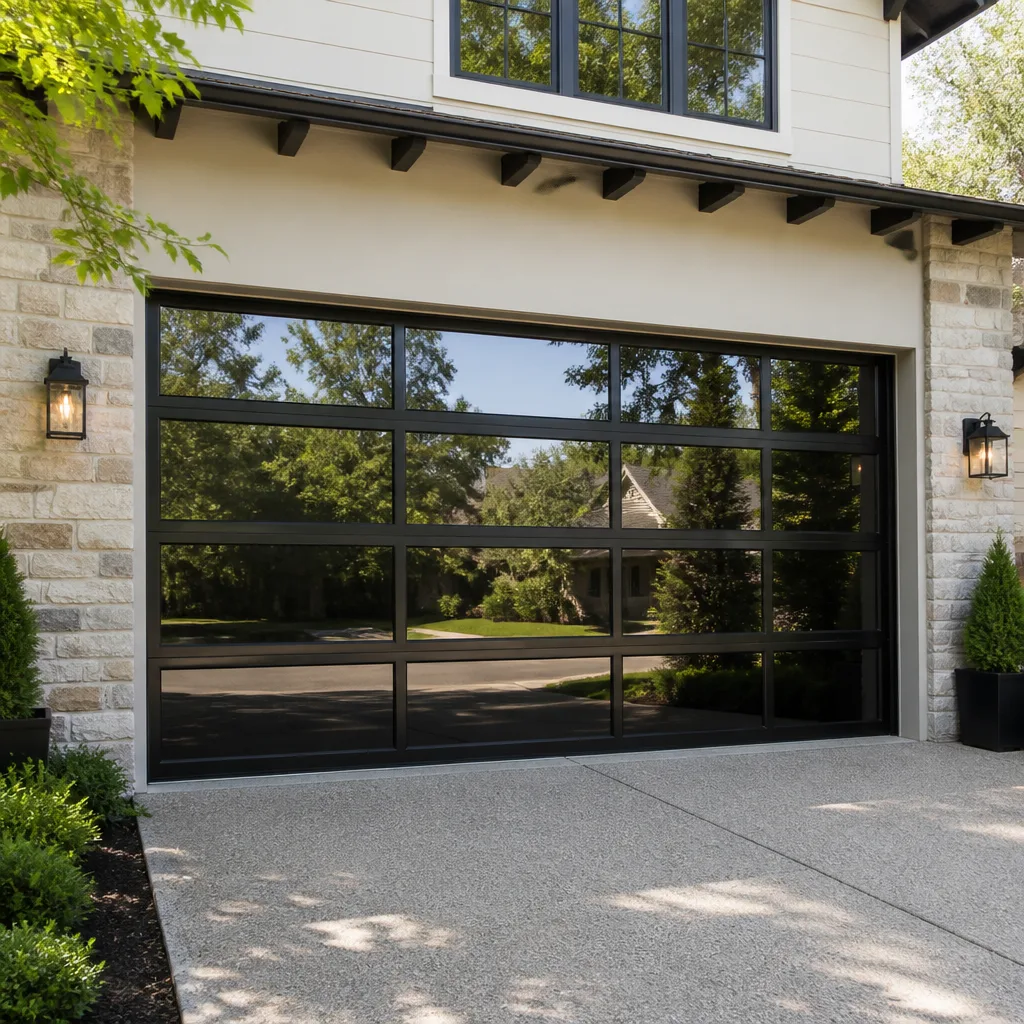 Full-view glass
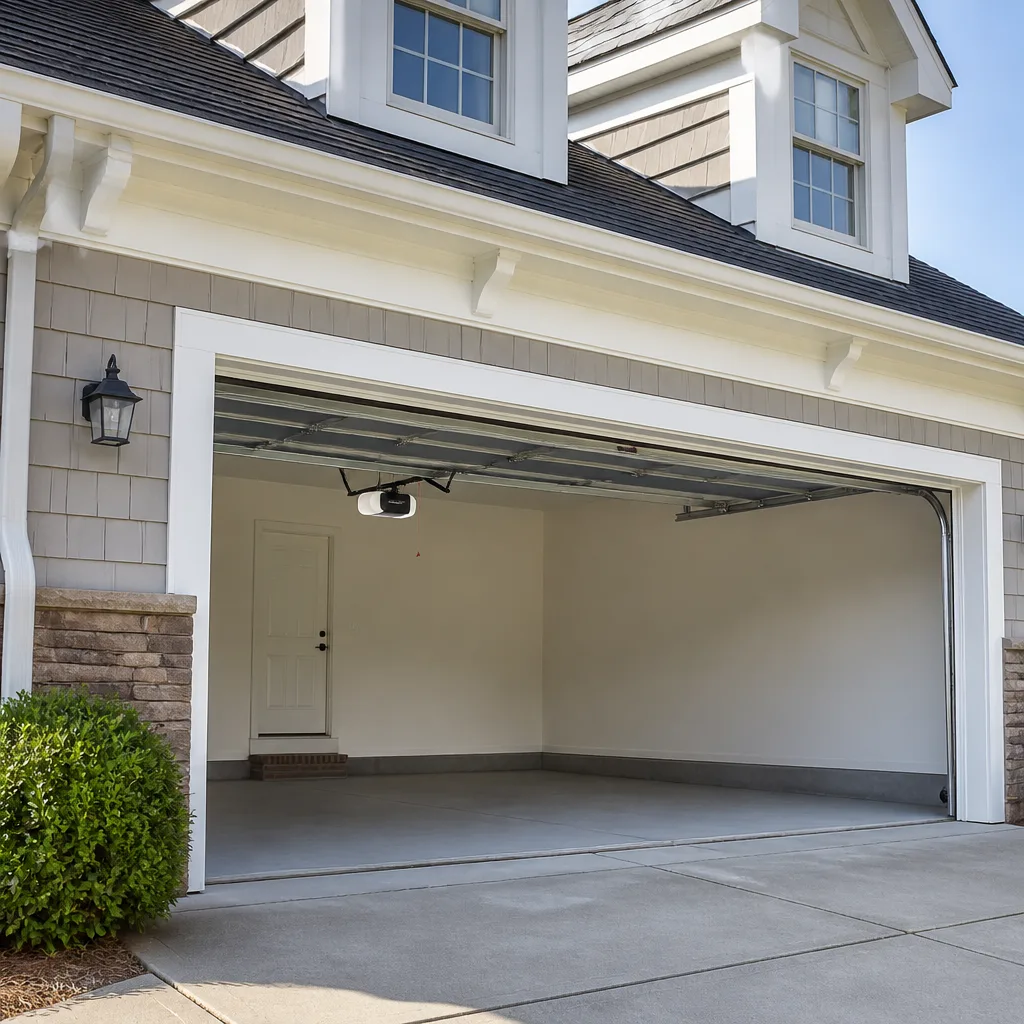 LiftMaster openers
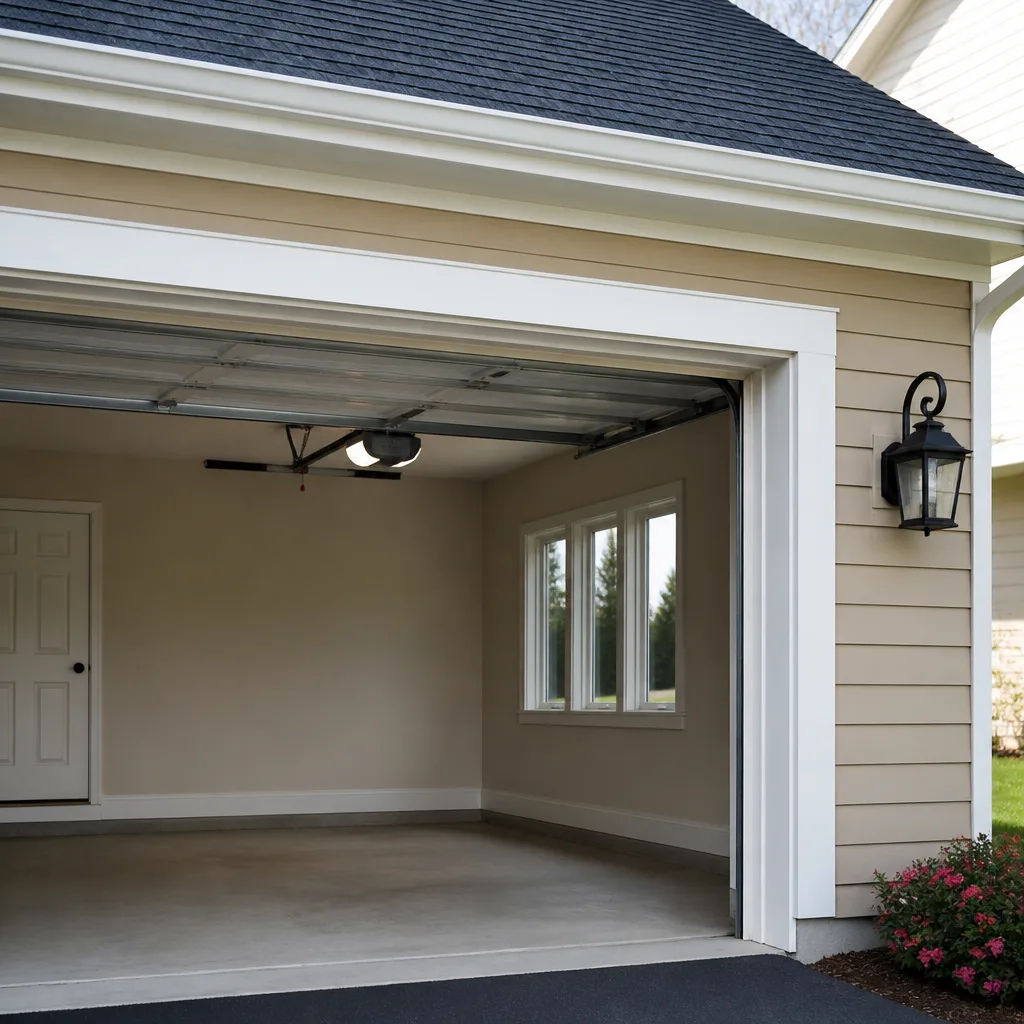 Chamberlain openers
Full 25-point door and opener safety check with every visit - springs, cables, rollers, tracks, and your LiftMaster or Chamberlain opener included
You get a price before we start. It does not change when the pro arrives.
Get your free estimateGarage Door Repair Maintenance Checklist for Duluth Homeowners
Most garage door manufacturers print a maintenance schedule that assumes a mild, dry climate. Duluth doesn’t offer one. With more than 50 inches of rain in a typical year and one of the highest pollen loads you’ll find anywhere in the country, the hardware on your door is working against conditions the manual never accounted for. Pollen packs into the tracks and turns tacky. Summer humidity works its way into hinges and rollers. Clay soil shifts under the slab after heavy rain, and the door frame moves with it. That’s why a twice-a-year routine borrowed from a national average isn’t enough here. This checklist is built around how doors actually age in Duluth, with intervals tied to seasons and weather events rather than the calendar. You’ll get a printable pass/fail list you can run through yourself, plus clear limits on what to leave to a trained technician.
Quick Answer
A garage door maintenance checklist for Duluth should run monthly in pollen season (March through May), quarterly for lubrication during the humid summer months, and immediately after any significant rain event to check the frame and jamb for movement. Standard annual lubrication and the manufacturer’s twice-a-year schedule are not sufficient in Duluth’s climate, and springs, cables, and torsion hardware should always be inspected by a trained technician rather than adjusted at home.
Styles & brands we work with
- Raised-panel steel
- Carriage house
- Modern flush
- Full-view glass
- LiftMaster openers
- Chamberlain openers
Table of Contents
- Why Duluth’s Pollen Season Changes Your Maintenance Schedule
- Humidity-Adjusted Lubrication: What to Use and When
- What to Inspect After Heavy Rain: Frame, Jamb, and Clay Soil
- Torque and Tension Checks Tied to Temperature, Not Dates
- Printable Pass/Fail Checklist for Duluth Homeowners
- What Changes by Brand: LiftMaster, Wayne Dalton, and Others
- A Season-by-Season Duluth Maintenance Calendar
Why Duluth’s Pollen Season Changes Your Maintenance Schedule
Pollen is the single biggest reason national maintenance intervals fail in Duluth. From March through May, the air carries enough tree and grass pollen to coat every exposed surface on your door, including the tracks, rollers, hinges, and weather seal. Pollen doesn’t just sit there. It mixes with the thin film of lubricant already on your hardware and forms a sticky paste that traps grit. That grit then grinds against your rollers and track every time the door moves.
The window most homeowners miss is the start of the season. Cleaning in June is too late; by then the paste has already worn the rollers. You want to get ahead of it in late February or early March, then clean again every few weeks until the pollen drops off in late May.
The pollen-season cleaning protocol
- Dry-brush the tracks first. Use a stiff nylon brush, not steel wool. Work from the bottom of each vertical track up to the curve, then along the horizontal track. Push the debris out the open end, not down into the floor.
- Wipe the track channels with a damp cloth. Follow the same direction: bottom to top on the verticals. Don’t spray water into the tracks; you’re wiping, not washing.
- Clean the weather seal along the bottom of the door. Pollen collects in the folds of the rubber seal. A damp rag run along the seal every two weeks during peak season keeps it from hardening with grit.
- Inspect rollers after each cleaning. Nylon rollers should turn freely and look uniform. Steel rollers should have no flat spots. If you see either, replace them before the next cleaning cycle.
- Re-lubricate after cleaning, not before. Lubricant applied over pollen just seals the grit in. Clean, dry, then lubricate.
Three full cleanings across the March-to-May window will do more for your door’s lifespan in Duluth than the single annual tune-up most schedules call for. The reason is simple: pollen season here compresses a year’s worth of grit exposure into about ten weeks.
Humidity-Adjusted Lubrication: What to Use and When
Annual lubrication is a northern-climate habit. In Duluth’s summer humidity, a single yearly application leaves your hinges, rollers, and torsion hardware running dry for months. The heat and moisture break down light oils quickly, and once a hinge pin runs dry, metal-on-metal wear begins within weeks. You want to lubricate roughly every three months through the warm season, and more often on the hinges and rollers than on the spring itself.
What to use, and where
- Hinges and rollers: white lithium grease or a silicone-based lubricant. These hold up to humidity better than general-purpose oil and won’t attract pollen the way a wet oil film does.
- Track channels: a very light coat of silicone spray, wiped nearly dry. You’re reducing friction, not soaking the track. Over-lubrication attracts grit.
- Weather seal: a silicone-based protectant that keeps the rubber from drying out and cracking. Avoid petroleum-based products on rubber; they can degrade it.
- Torsion spring and cables: these should be left alone unless a technician is doing the work. Never apply lubricant to a cable itself. A light wipe on the spring coils is fine if they’re dry, but no more than that.
A realistic lubrication schedule for Duluth
- Early spring (before pollen): full lubrication of hinges, rollers, and track channels. This is the base coat that pollen will try to foul through May.
- After each pollen-season cleaning (March to May): spot-lubricate hinges and rollers after every track cleaning. Skip the track channels here; they should be clean and dry during peak grit season.
- Mid-summer (July): full lubrication again. Humidity is at its highest and the spring cleaning has worn off.
- Early fall (September): full lubrication before the weather cools. This coat carries the door into winter.
- Mid-winter (January): a quick hinge and roller check. Cold shrinks metal slightly and stiffens lubricant; a small touch-up here prevents a hard-start problem the first warm day.
If your door is noisy after a fresh lubrication, the problem usually isn’t the lubricant. It’s a roller or hinge that’s already worn and needs replacement. Our garage door repair team can trace the noise to the actual worn part instead of re-lubricating a component that’s past saving.
What to Inspect After Heavy Rain: Frame, Jamb, and Clay Soil
Duluth sits on clay soil, and clay expands when wet and shrinks as it dries. Every significant rain event moves the ground under your garage slab, and that movement translates directly to the door frame and jamb. A door that opened smoothly in dry June can bind or drag in a wet July, even though nothing has changed on the door itself. The frame moved. This is why a rain-event inspection belongs on a Duluth checklist and not on a generic one.
The post-rain inspection
- Open the door fully and listen. A door that operated quietly before a rain event and now groans or pops is telling you the frame has shifted. Note where the noise comes from: bottom rollers, one side, or the top.
- Check the frame and jamb with a level. Run a spirit level along the vertical jamb on both sides. If one side has drifted from vertical, that’s your clue. Small movement is common in Duluth after a wet stretch; large movement needs a professional.
- Look at the weather seal along the floor. If it’s no longer making contact with the floor on one side, the slab or frame has shifted. You’ll see daylight through the gap. The seal isn’t the problem; the movement is.
- Inspect the track for alignment changes. Sight down each vertical track from the floor. If a track looks like a curve rather than a straight line, something moved.
- Test the auto-reverse feature. Place a small board or a roll of paper towels in the door’s path, close the door, and confirm it reverses. This is a safety check, not just a maintenance one, and it’s worth doing after every significant weather event.
One rainy season of frame movement can cause more damage than ten years of clean operation. The good news is that a realignment after a wet event is quick work for a technician and much less expensive than replacing rollers that wore early because the door was dragging against a shifted track. If your door is binding after rain and you want someone to look at it, our Duluth Garage Door Repair Co team handles alignment and adjustment as a routine visit.
Torque and Tension Checks Tied to Temperature, Not Dates
Calendar-based maintenance doesn’t match how hardware actually behaves in Duluth. Metal expands in the summer heat and contracts in the winter cold, and every bolt and hinge on your door moves with it. A bracket that was snug in March is loose by August and tight again by December. That’s why the useful maintenance trigger isn’t “every six months” but the temperature swings themselves.
The two hard limits to know before you check anything:
- Never touch the torsion spring or the cables. These are under high tension and can cause serious injury if handled incorrectly, including by a homeowner who’s confident with tools. Springs and cables are the one part of the door to leave to a trained technician. Our garage door spring repair service exists for exactly this reason.
- Never adjust a bracket or bolt while the door is under spring tension. Before any torque check on hinges, brackets, or reinforcement plates, the door must be fully closed and the opener disconnected. If you’re not sure how to do that safely, stop and call.
What a homeowner can check safely
- Hinge screws: with the door closed, check that each hinge screw is snug. Don’t over-tighten; snug, not cranked.
- Roller brackets: confirm each roller bracket is firm against the door, not spinning loose. If a bracket is loose, note it and stop; this is a technician visit.
- Track mounting bolts: check that the bolts holding the track to the frame are snug. Loose track bolts are the earliest sign of frame movement after rain.
- Lift handle and lock screws: these are the least critical but the easiest to bind up in humidity. A quarter-turn snug is enough.
When to call for a torque and tension check
Call a technician for a torque check when:
- The door feels noticeably heavier in the summer than it did in the winter, or vice versa.
- You hear popping or groaning at a specific point in the door’s travel.
- The door stops partway up and reverses on its own.
- You’ve had a significant rain event and any part of the frame moved.
- You’ve noticed a bracket that keeps loosening even after you tighten it. That’s usually a sign of a bent or fatigued part, not a loose bolt.
A worthwhile cadence is to run a torque and tension check at each seasonal change and again after any wet spell of more than a day. That ties the inspection to the door’s actual working conditions instead of an arbitrary anniversary.
Printable Pass/Fail Checklist for Duluth Homeowners
Here’s a checklist you can print and keep on the wall of the garage. Every item is written as a yes/no question with a clear pass and fail criterion. If a fail appears on the safety row, stop using the door until a technician inspects it. You don’t need mechanical experience to run through this; you need a flashlight, a damp cloth, a spirit level, and fifteen minutes.
Monthly (during pollen season, March to May)
- Tracks clean: pass if the vertical and horizontal track channels are free of visible grit and the rollers move smoothly. Fail if you see caked pollen or debris.
- Weather seal clean: pass if the rubber seal along the bottom is soft and free of grit. Fail if it feels stiff or has visible buildup.
- Rollers turn freely: pass if each roller spins with a fingertip. Fail if any roller feels stiff or has a flat spot.
Quarterly (year-round)
- Hinges lubricated: pass if each hinge moves without noise. Fail if you hear metal-on-metal scraping.
- Door balance: with the opener disconnected and the door halfway open, pass if it stays put. Fail if it drops or rises on its own.
- Auto-reverse works: pass if the door reverses when a board is placed in its path. Fail if it pushes down without reversing. This is a safety fail; stop using the door.
- Photo-eye sensors: pass if the indicator light is steady on both sensors. Fail if either light is out or blinking.
After any significant rain event
- Door operates smoothly: pass if the door opens and closes without a new noise. Fail if you hear a new groan or pop.
- Jamb vertical: pass if the spirit level shows both jambs plumb. Fail if either side has drifted.
- Weather seal contacts floor: pass if no daylight shows under the door. Fail if you can see a gap.
- Track alignment: pass if sighting down each vertical track shows a straight line. Fail if either track shows a curve.
Seasonal (temperature swing)
- Hinge screws snug: pass if each hinge feels firm when nudged. Fail if any screw turns easily.
- Roller brackets firm: pass if each bracket is tight. Fail if any bracket rotates under light pressure. Stop and call.
- Track mounting bolts snug: pass if each bolt holds under a light turn. Fail if any bolt turns without resistance.
Safety row (stop using the door if any fail)
- Springs intact: pass if the torsion spring or springs look whole. Fail if you see a gap in the coil or a spring hanging loose.
- Cables intact: pass if both cables are taut and free of fraying. Fail if you see a fray, a kink, or a loose cable.
- No physical damage to door panels: pass if panels are flat and hinges aren’t bent. Fail if a panel is buckled or a hinge is bent.
Print this out and mark it each time. The patterns you see over a year will tell you more than any single inspection: if you fail the humidity lube row every summer, you know the interval needs tightening. If you fail the frame rows after every wet stretch, that’s a frame problem that should be fixed once.
What Changes by Brand: LiftMaster, Wayne Dalton, and Others
The maintenance work itself is similar across brands, but the failure points differ enough that knowing your hardware matters. We work on the brand you already own, and our technicians are factory-familiar with LiftMaster, Chamberlain, Genie, Clopay, Amarr, Wayne Dalton, Craftsman, and Raynor systems. Here’s how the maintenance cadence shifts when the door or opener is one of the most common makes we see in Duluth.
LiftMaster and Chamberlain openers
These two share most internal components, and the maintenance that matters most is on the safety sensors and the belt or chain. In Duluth humidity, the belt can stretch slightly, and the sensors can fog with pollen during the spring. Wipe the sensor lenses during each pollen cleaning and check that the travel limits haven’t drifted. If the opener is a few years old and you hear a grind at the top or bottom of travel, it’s often the gear or the limit switch, not the whole opener. Our garage door opener repair team fixes brands across the board, and we prioritize repair over replacement wherever it’s safe to do so.
Wayne Dalton doors
Wayne Dalton doors often use a proprietary torsion or extension spring system, and the track hardware can be torx-head rather than Phillips. If your Wayne Dalton door starts binding after a rain event, the tracks are usually the first thing to check. A homeowner with a standard screwdriver set may not have the right bit for a torque check, which is one reason a technician visit is worth it on these doors. The good news: bind and drag on a Wayne Dalton is usually alignment, not spring failure.
Craftsman and Raynor
Craftsman openers appear on a lot of older doors, and the maintenance focus there is the drive gear and the light lens (which can yellow and reduce sensor function with age). Raynor doors often use a broader track profile than other makes, and pollen tends to collect more in the wide channel. On a Raynor, the track cleaning during pollen season matters more, not less.
Clopay and Amarr
These are door brands rather than opener brands, and the maintenance focus is on panel integrity, hinges, and section joints. Duluth humidity can cause the section joints to swell slightly on wood-look doors. Check the joint gaps during the summer lubrication round; if a joint has swollen, the door may not close evenly.
If you’re not sure which brand you have, the label is usually on the back of the top panel or on the opener motor housing. We can also identify it from a photo.
A Season-by-Season Duluth Maintenance Calendar
If you’d rather run one maintenance pass per season than track individual intervals, this is what that looks like in a Duluth year. Each season has one main job and one thing to avoid.
Late winter (February to early March): pre-pollen prep
Do the full lubrication before pollen hits. Clean the tracks. Check the seal. This is the most important single maintenance slot of the year in Duluth because it sets the door up for the ten-week pollen grind that follows.
Spring (March to May): pollen season
Clean the tracks and seal every two to three weeks. Spot-lubricate after each cleaning. Visit the rain-event inspection if any heavy storm passes through. Skip the track lubrication during this window; you want the channels dry.
Summer (June to August): humidity lubrication
Full lubrication in July. Check hinge screws and roller brackets. Run the auto-reverse and sensor test. Watch for doors that feel heavier in summer heat; that’s the temperature swing telling you tension has drifted.
Fall (September to November): pre-cooling prep
Full lubrication in September. Rain-event inspections after each significant storm. Check the weather seal for hardening before the wetter season. Frame and jamb check with the level.
Winter (December to January): cold-weather check
Light hinge and roller touch-up in January. Check for lubricant that has stiffened in cold weather. Listen for hard-start problems on the opener. Run a torque check on hinges and brackets once more before the spring pollen season begins.
Common Mistakes to Avoid
- Following the national annual-lubrication schedule. In Duluth’s summer humidity, a yearly lubrication leaves the hinges and rollers dry for months. The fix is a quarterly round through the warm months, not a single annual pass.
- Lubricating over pollen. Applying grease or oil on top of grit seals the grit in. Always clean the tracks and hinges first, then lubricate. Doing it in the other order ruins the lubricant and speeds up roller wear.
- Waiting until June to clean the pollen. By June the debris has been grinding against your rollers for ten weeks. The first clean of the year belongs in late February or early March, before the yellow dust starts.
- Skipping the frame and jamb check after rain. Duluth’s clay soil moves after heavy rain, and the door frame moves with it. A skipped check is how a small alignment issue turns into a worn roller or a bent track.
- Tightening bolts while the door is under spring tension. This is a serious safety mistake, not a small one. The door must be closed and the opener disconnected before any torque work. If that’s not something you’re comfortable doing, leave it to a technician.
- Touching the torsion spring or cables. Springs and cables are the highest-risk components on the whole door. No amount of homeowner confidence makes them safe to adjust. Spring work belongs to a trained specialist.
- Replacing an opener without a repair estimate. A grinding opener is often a gear or a limit switch, not a dead unit. Replacing the whole opener when a smaller repair would do is money spent for no gain. We fix LiftMaster, Chamberlain, Genie, Craftsman, and Raynor openers as a matter of course and only recommend replacement when a repair would leave a safety issue.
See the difference
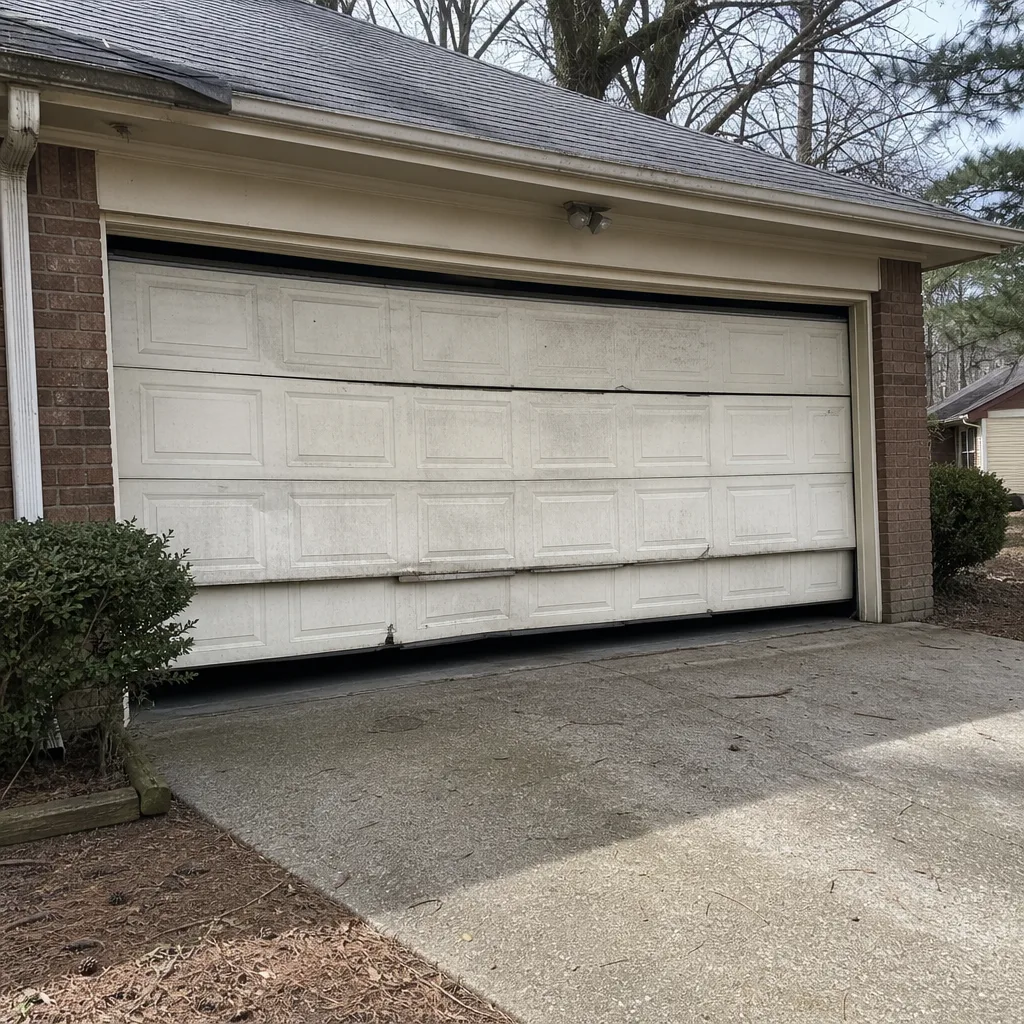 Before
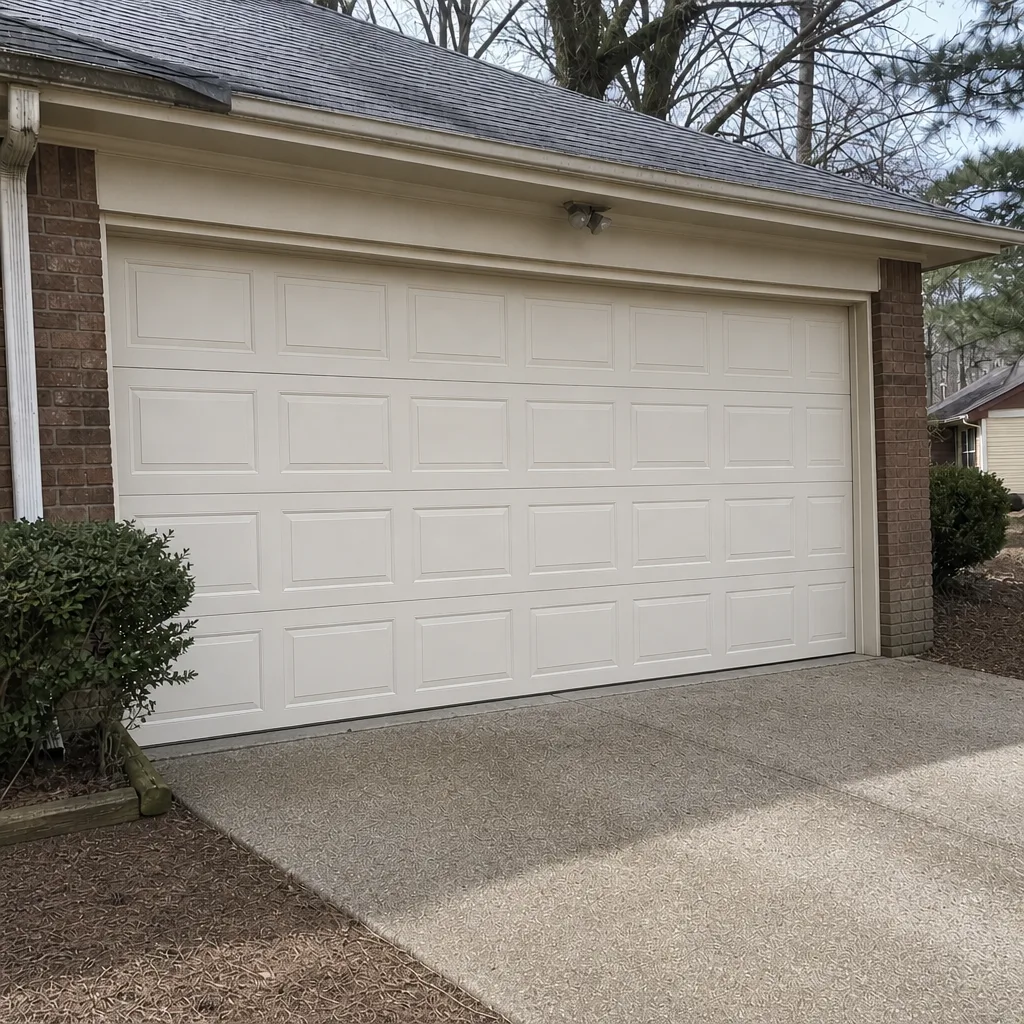 After
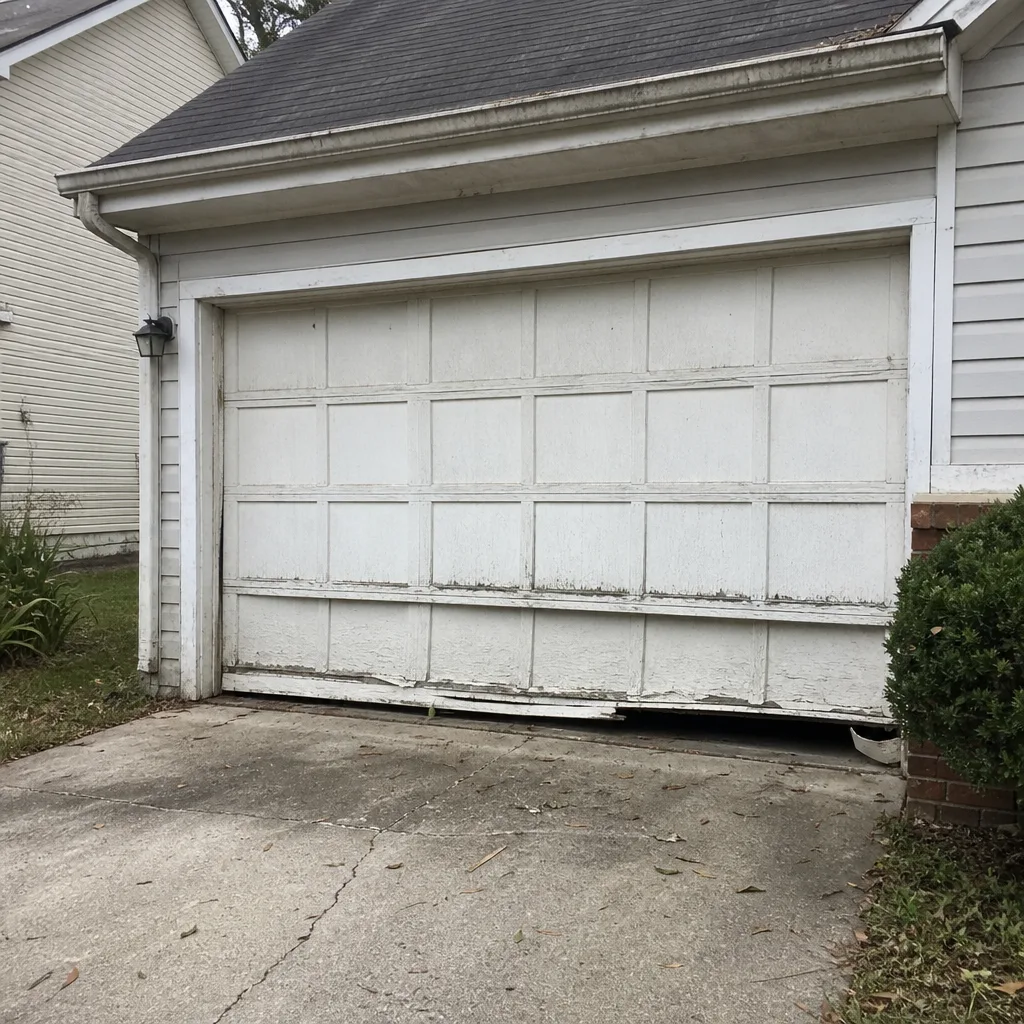 Before
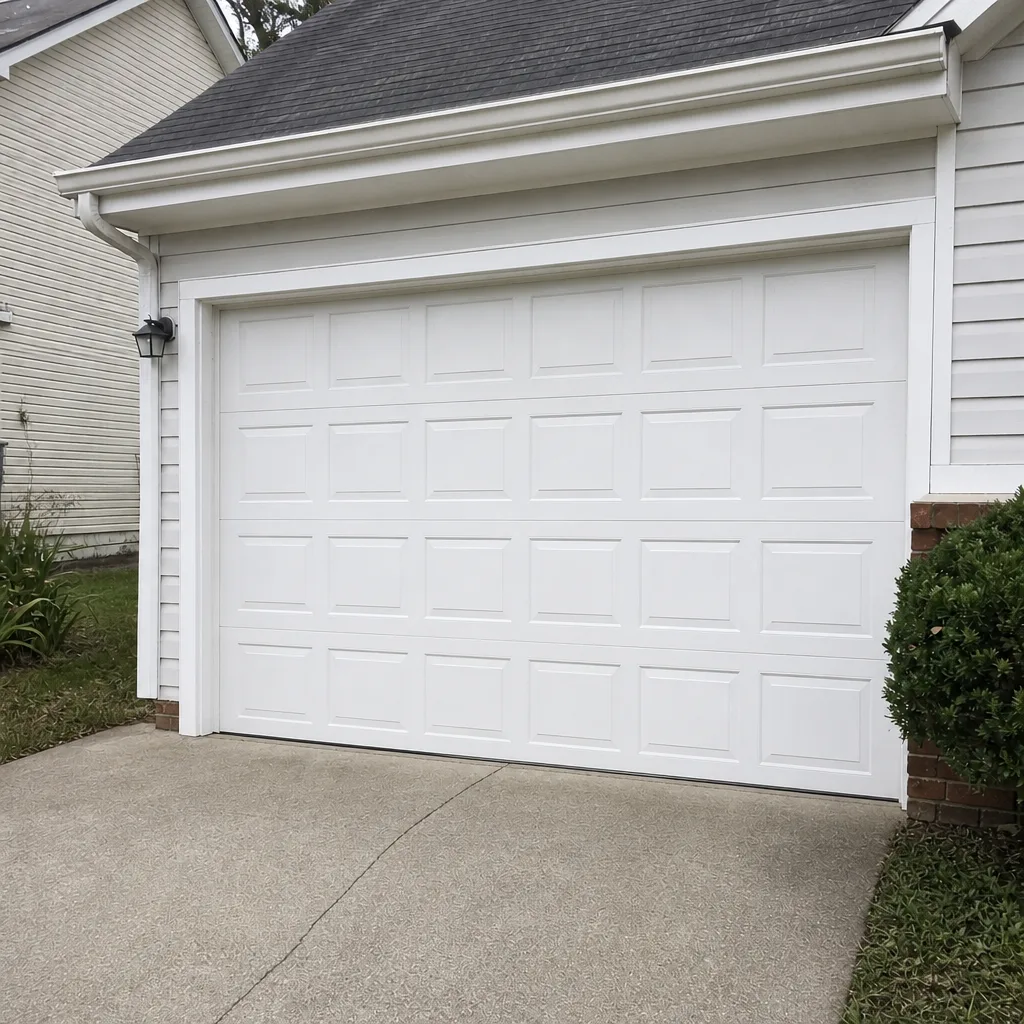 After
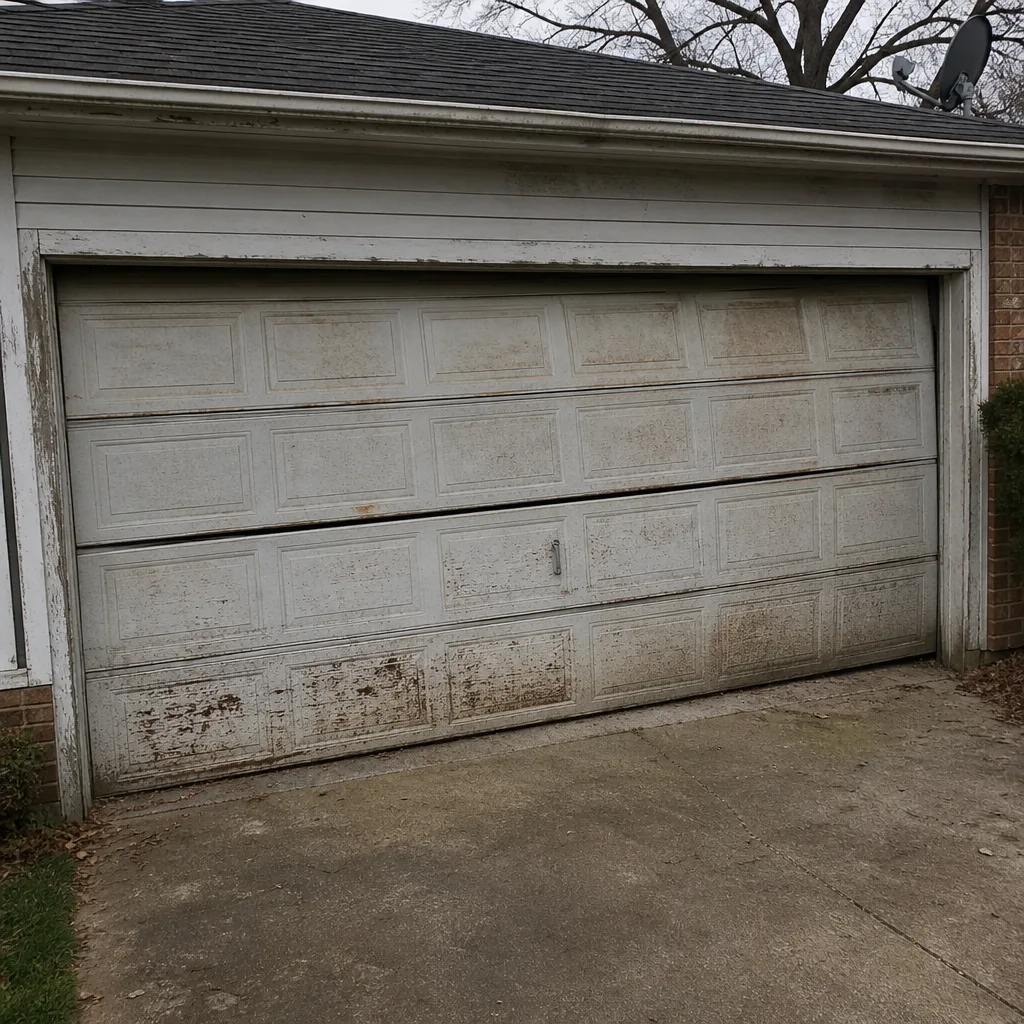 Before
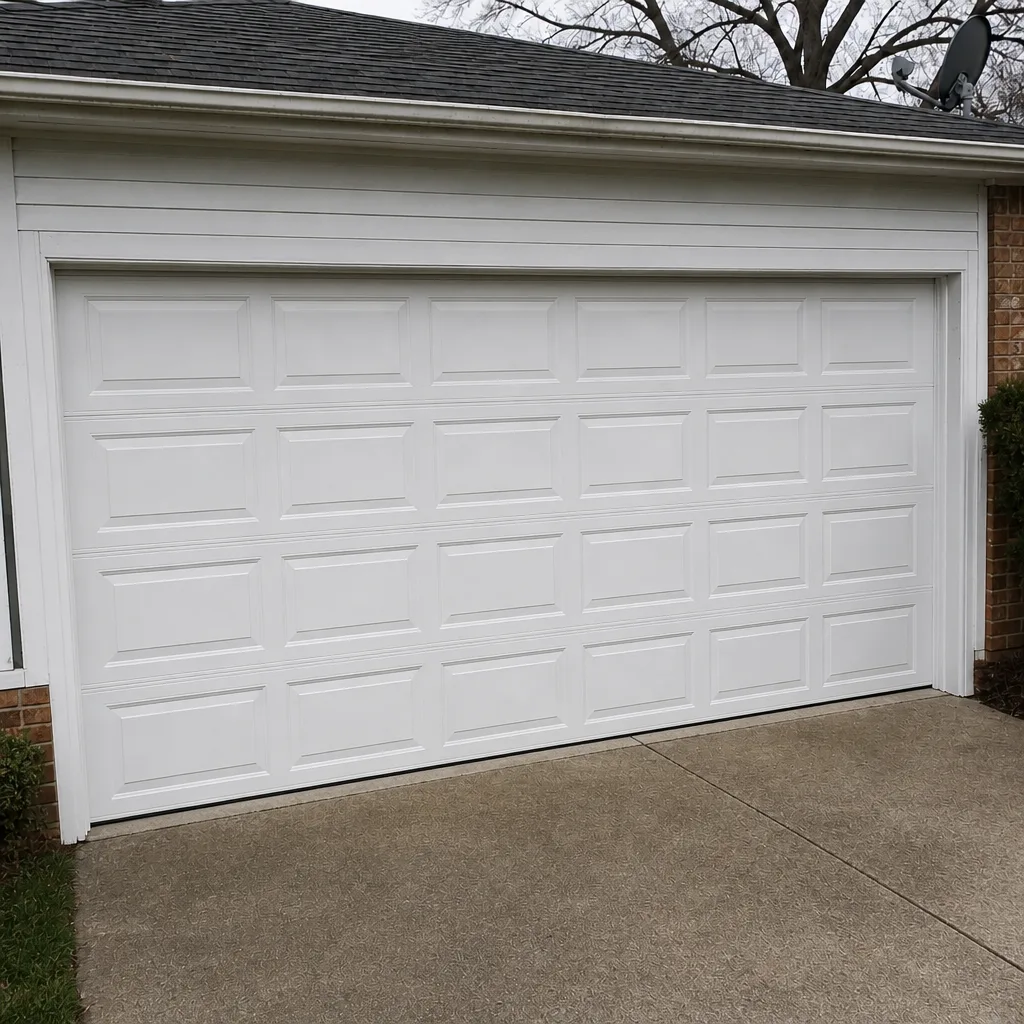 After
When to Call a Professional
Call a professional the moment you hit a safety fail on the printable checklist: a spring that’s broken or hanging, a frayed cable, a door that’s stopped reversing, or a bracket that keeps loosening after you’ve tightened it. Don’t operate a door in that condition while you wait; the risk goes up with every cycle. Also call if the door is binding and you can’t find the cause in the frame check, if your opener is doing something new and unusual, or if your door has gone out of balance and you’ve noticed it rising or dropping on its own. Our technicians have up to 9 years of experience, and we’ve worked on doors of every age and condition across Duluth. Duluth Garage Door Repair Co offers free estimates in Duluth. Call (833) 509-5428 for an exact quote, and the price is agreed before any work begins. If your situation is urgent, we also offer emergency service for a door that won’t open or close.
Frequently Asked Questions
Every three months during the warm season, not once a year. Duluth’s summer humidity breaks down light lubricants faster than in cooler climates, so hinges, rollers, and track channels need a fresh coat roughly in March, July, September, and a light touch-up in January. Cleaning always comes before lubrication; applying lubricant over pollen or grit just seals the debris in and speeds up wear.
Because the clay soil under your garage slab shifts when it gets wet, and the door frame moves with it. A door that ran smoothly in dry weather can drag or bind after a heavy rain even though nothing on the door itself has changed. The check is a spirit level against both jambs and a sighting down each vertical track. If either has moved, a technician can realign the track and door.
Every two to three weeks from March through May, yes. Duluth’s pollen load is high enough that the tracks pick up a sticky film of pollen mixed with lubricant, which traps grit against the rollers. A dry brush and a damp cloth are enough; you’re wiping the channels, not washing them. Cleaning frequency during peak pollen matters more than any single deep cleaning later in the year.
No. Torsion springs and cables are under very high tension and can cause serious injury if handled without the right tools and training. Spring and cable adjustment is the one part of garage door maintenance a homeowner should never do at home, no matter how comfortable they are with tools. This is exactly why our garage door spring repair service is a dedicated specialty: springs are the highest-risk component on the whole door. Call (833) 509-5428 for a free estimate.
Not necessarily. On most LiftMaster, Chamberlain, Genie, Craftsman, and Raynor openers, a grind at the top or bottom of travel is a gear, a limit switch, or a belt issue, not a dead unit. Repair is usually the right first step. We prioritize repair over replacement wherever it’s safe and feasible, and we’re factory-familiar with all of these brands, so we identify the actual component instead of guessing. Call (833) 509-5428 for an exact quote before deciding.
A maintenance visit is a scheduled lubrication, adjustment, and inspection with no known problem to fix. A repair call is when something has already failed: the door won’t move, the opener won’t run, the spring is broken, or the door is off its track. Maintenance prevents repair calls, which is the whole point of running this checklist. If you’ve already hit a fail, it’s a repair call. If you haven’t, a maintenance visit once a season is enough.
The Bottom Line
A garage door maintenance checklist only works if it matches where you live. In Duluth, that means cleaning tracks every two to three weeks during pollen season, lubricating quarterly instead of annually because of summer humidity, and checking the frame and jamb after any significant rain because clay soil moves under the slab. Springs and cables stay off-limits; everything else in the printable checklist above is yours to run. Do the seasonal passes, mark the pass/fail rows, and you’ll get years more out of the biggest moving part of your home. When something fails the safety row or the door won’t move, call (833) 509-5428 for a free estimate and let a trained technician do the work.
Written by the team at Duluth Garage Door Repair Co.