Last updated November 23, 2026
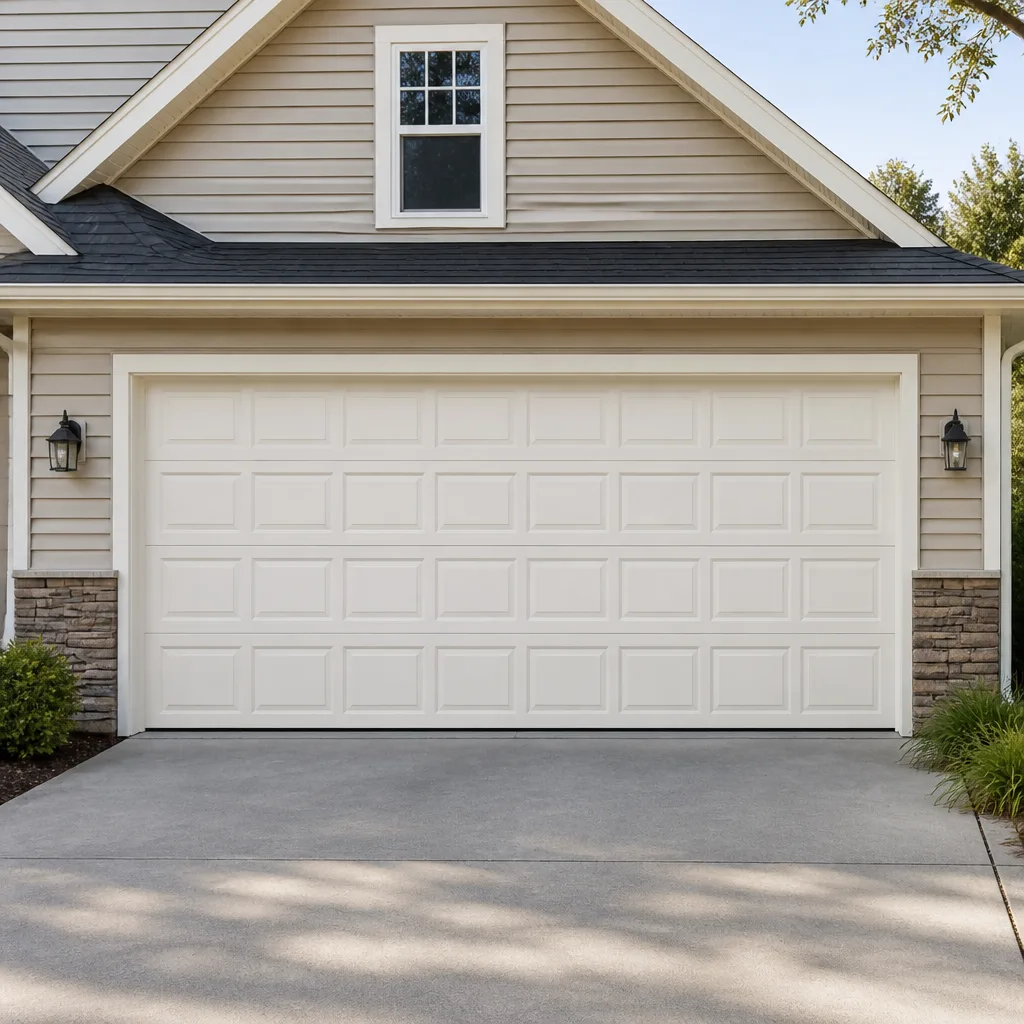 Raised-panel steel
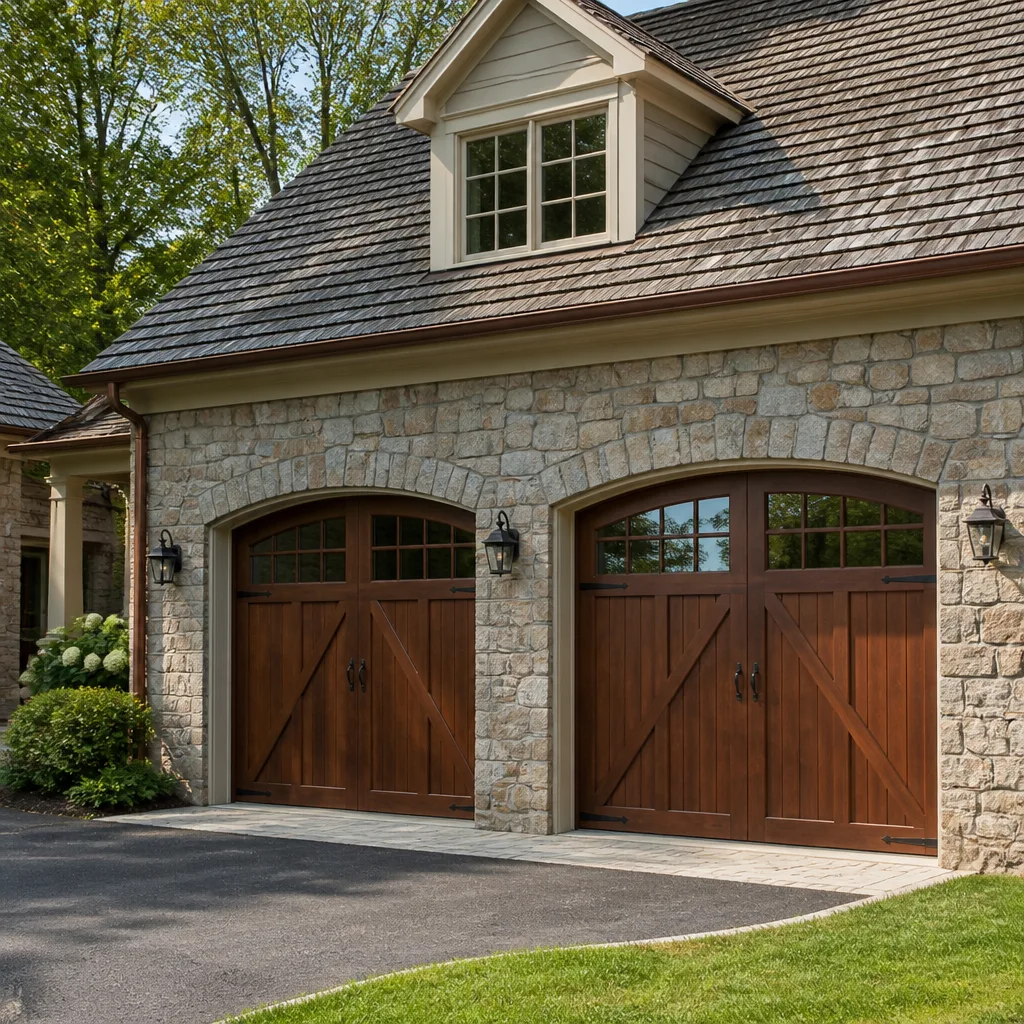 Carriage house
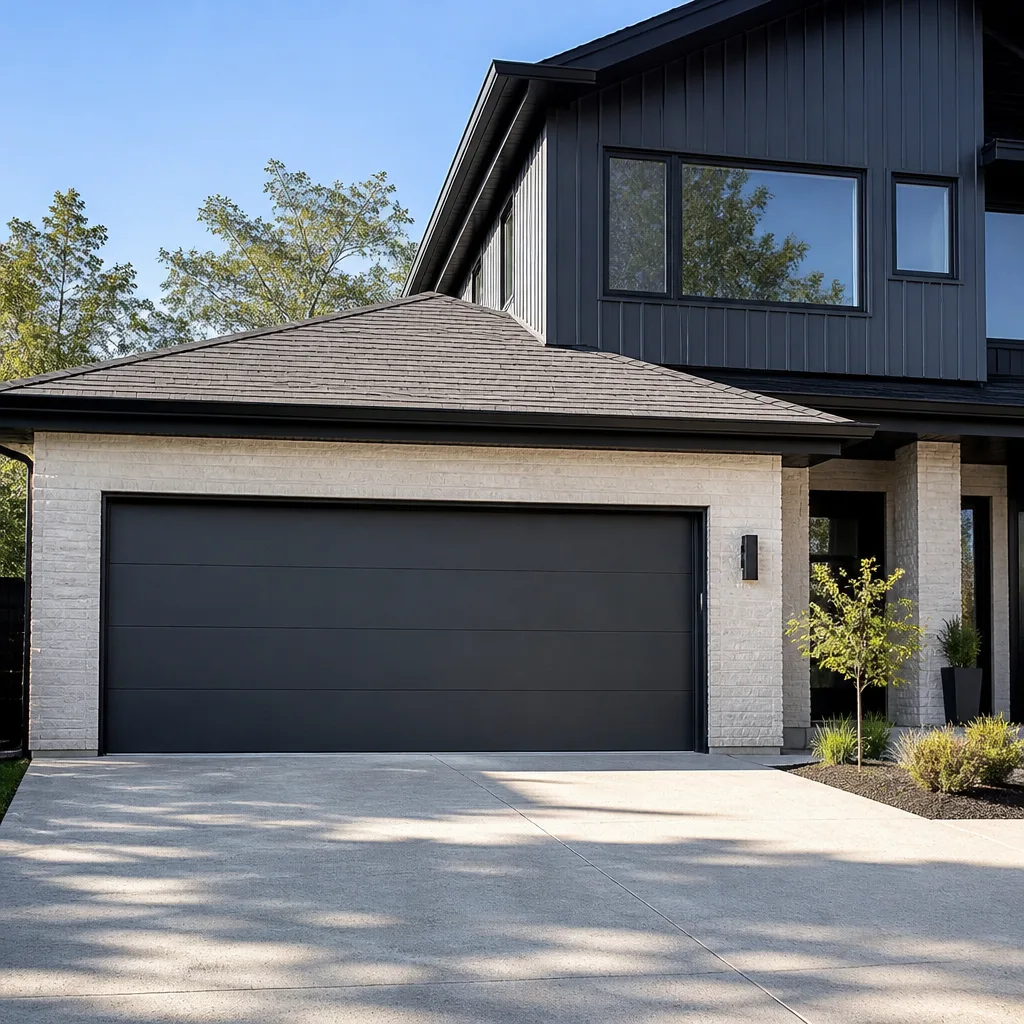 Modern flush
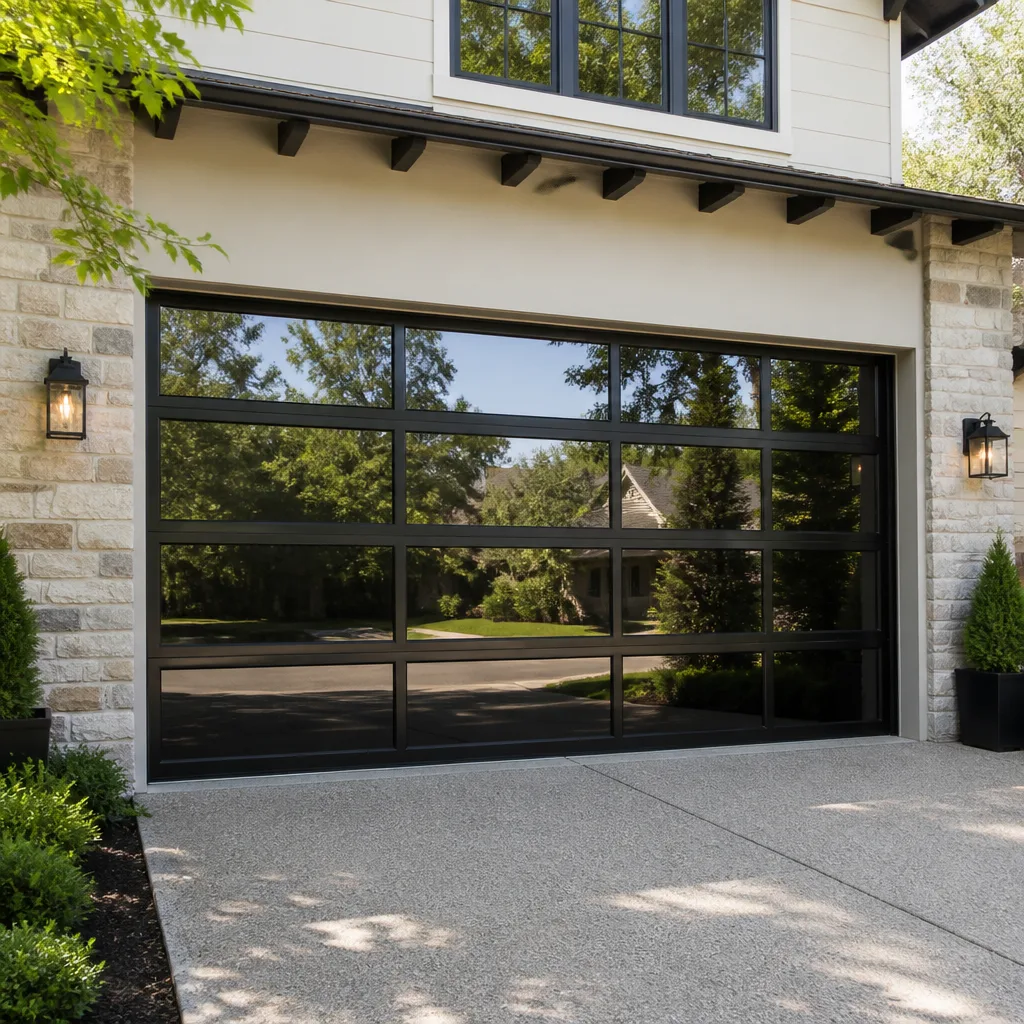 Full-view glass
 LiftMaster openers
 Chamberlain openers
Full 25-point door and opener safety check with every visit - springs, cables, rollers, tracks, and your LiftMaster or Chamberlain opener included
You get a price before we start. It does not change when the pro arrives.
Get your free estimateGarage Door Warning Signs: A Duluth Homeowner’s Reference Guide
Most homeowners treat a garage door like a light switch: it works until it doesn’t. That assumption is expensive. A failing torsion spring doesn’t snap without warning; it telegraphs the failure for months through a door that feels heavier, opens slower, or sits a little crooked. The problem is that the early signals look cosmetic and the dangerous ones look normal, so people wait. This guide separates the two. We’ll walk through the sound profile of a spring under failing tension, the gap patterns that mean frame movement rather than a simple adjustment, the opener behaviors that map to specific root causes, and a 60-second monthly check that catches most developing problems in Duluth before they turn into emergencies.
Quick Answer
The warning signs that matter most are a door that suddenly feels heavy when you lift it by hand, a loud bang from the torsion bar followed by a door that won’t lift, visible gaps at the top or sides of a closed door, and an opener that strains, slows, or reverses on its own. Cosmetic symptoms like a squeaky roller or a rattling panel usually just need lubrication or tightening. The dangerous ones involve springs, cables, and the door’s balance, and they mean stop using the door and call a specialist.
Styles & brands we work with
- Raised-panel steel
- Carriage house
- Modern flush
- Full-view glass
- LiftMaster openers
- Chamberlain openers
Table of Contents
- What Your Garage Door’s Sounds Are Telling You
- Spring Failure: The Warning Trail Most Homeowners Miss
- Reading Gap Patterns in a Closed Door
- Opener Behavior Changes and What They Mean
- What’s Safe to Fix Yourself and What Isn’t
- The 60-Second Monthly Check
- Why Duluth Doors Show These Signs Differently
- When a Warning Sign Becomes an Emergency
What Your Garage Door’s Sounds Are Telling You
A garage door has a small vocabulary of sounds, and each one points to a different component. Learning to tell them apart is the fastest way to know whether you’re looking at a maintenance item or a call to a specialist. In our experience, the two sounds homeowners most often confuse are the groan of a strained spring and the squeal of a dry roller, and they couldn’t be more different in what they mean.
The spring sound: a deep, metallic groan or twang
A torsion spring under normal tension is nearly silent. What you’ll hear instead is a low, resonant creak that seems to come from above the door rather than from the door itself. It often shows up at the start of travel, when the spring is doing the most work, and it can fade as the door rises. If that creak is paired with a door that feels heavier than it used to, that’s a spring losing tension, not a lubrication problem. A sharper, ringing twang right before the door stops moving is worse; it usually means a spring is at the end of its life.
The roller sound: a high-pitched squeal or grinding
Dry steel rollers and hinges produce a thin squeal that rises and falls with the door’s speed. It’s annoying but not dangerous, and it’s usually fixable with the right lubricant on the rollers, hinges, and tracks. Grinding is different: it suggests a roller has seized and is dragging against the track, which can wear the track itself if you ignore it. A single popping or snapping sound as the door passes a certain height often points to a bent hinge or a loose bracket.
The bang: a spring that has already failed
If you hear a loud, sharp crack from the garage and the door won’t open, a torsion spring has broken. Do not try to force it. The door is now unsupported, and the opener is pulling against dead weight. Turn the opener off at the wall switch and call a specialist. When a spring fails, the safest next step is garage door spring repair by a trained technician, because the replacement process involves controlled release of the remaining tension and is not a homeowner job.
Spring Failure: The Warning Trail Most Homeowners Miss
Springs are the highest-tension, highest-risk component of any garage door system, and they fail in a predictable sequence. The problem is that the sequence plays out over three to six months, and the early signals are easy to write off as “the door just feels different.” Here’s what a spring under failing tension actually does, in order.
- The door feels heavier by hand. Disconnect the opener and lift the door halfway. A balanced door stays put. A door that drifts down or takes real effort to hold is telling you the spring has lost lifting force.
- The opener works harder. You’ll notice the motor running longer, the door moving slower, or the opener straining at the start of travel. The opener is compensating for a spring that isn’t doing its share.
- The door sits unevenly. One side rises before the other, or the door stops a few inches short of fully open. This is a spring losing tension unevenly or a cable starting to slip.
- A visible gap opens between spring coils. On a torsion spring, the coils should be tight. A visible gap, a stretch, or a kink in the spring is a strong sign it’s close to failing.
- The spring breaks. At this point the door is unsupported, the opener is stressed, and the safest move is to leave the door alone until a technician arrives.
Our technicians have up to 9 years of experience, and the pattern they see most often is a homeowner who noticed the door “felt heavy” months earlier and assumed it was normal. It isn’t. A garage door that’s properly balanced should lift with one hand and stay where you leave it. If yours doesn’t, that’s the warning sign to act on, and a trained tech can confirm whether the spring is the cause before it fails.
Reading Gap Patterns in a Closed Door
When you stand outside and look at a closed garage door, the gaps around it tell a story. Some gaps are cosmetic and some point to frame movement, and the difference usually comes down to pattern rather than size.
Even gap, whole door: adjustment or weather seal
If the gap is consistent along the whole top or bottom edge, that’s usually a weather seal that’s worn, a door that needs a small travel adjustment, or a threshold that’s settled slightly. These are low-risk issues and often fixable during a routine service call.
Wedge-shaped gap at one corner: frame racking
A gap that’s wide at one corner and narrow at the other is a different problem. It suggests the door frame or the wall it’s mounted to has moved, which in Duluth often traces back to soil movement under the slab or foundation. Georgia’s clay soils swell when wet and shrink when dry, and that cycle can shift a garage frame over time. A door in a racked frame won’t seal properly no matter how much you adjust the track, so the fix starts with the frame, not the door.
Gap that changes with the season: movement, not wear
If the gap is wider in late summer and closes up in winter, you’re seeing soil and frame movement rather than a failing component. Keep a note of when the gap appears and how wide it gets. That pattern is useful information for a technician, and it can save you from paying for an adjustment that won’t hold.
Gap along one side only: track or roller issue
A consistent gap down one vertical side usually means a track has shifted out of plumb or a roller has worn or popped out of the track. Check whether the door looks level when closed. If it’s visibly tilted, stop using the opener until a technician can look at it, because a door moving on a misaligned track can bind and damage the opener or the panels.
Opener Behavior Changes and What They Mean
Openers are honest machines. When something changes in how they run, it’s usually because the door itself has changed. Here’s how the most common behavior shifts map to root causes, whether you own a LiftMaster, a Chamberlain, a Genie, or a Craftsman unit.
- Slower travel than usual. The opener is working against more resistance, most often a spring losing tension or a track that’s out of alignment. Don’t just turn up the force setting; that masks the problem and stresses the motor.
- Motor straining or humming without moving the door. The opener is trying to lift a door it can’t, or the trolley has disengaged. Check that the manual release hasn’t been pulled, then look at the door’s balance.
- Reversing before it closes. The safety sensors are misaligned or blocked, or the force limit is set too low for a door that’s gotten heavier. Clean the sensor lenses first, then check the door’s balance.
- Stopping partway up. Often a force-limit issue caused by a binding door. The door is the suspect, not the opener.
- Remote or keypad works intermittently. Usually a battery, a signal interference issue, or a logic board problem. This is one of the few cases where the opener itself is the likely culprit.
The general rule: if the door moves fine by hand, the opener is the suspect. If the door feels heavy or binds by hand, the door is the suspect and the opener is just reporting it. Repairing the opener without fixing the underlying door problem leads to repeat failures, which is why we prioritize repair over replacement and diagnose the whole system rather than swapping parts. If you’re hearing a change in how your opener runs, garage door opener repair starts with a balance check, not a new motor.
What’s Safe to Fix Yourself and What Isn’t
Some garage door maintenance is genuinely homeowner-friendly. Some of it will hurt you. The line between the two is clearer than most people think, and it’s worth learning before you pick up a wrench.
Safe to handle yourself
- Lubricating rollers, hinges, and the torsion bar bearings with a garage-door-specific lubricant.
- Wiping down and realigning the safety sensors at the base of the tracks.
- Replacing remote batteries and reprogramming remotes.
- Tightening visible bolts on the hinges and brackets (hand-tight, not impact-tight).
- Clearing debris from the tracks and checking that the door closes fully.
Stop and call a specialist
- Anything involving the torsion spring or extension springs. These store enough energy to cause serious injury, and releasing or adjusting that tension without the right tools and training is genuinely dangerous.
- Cables under tension. A slipping or snapped cable can whip with force. Never handle one directly.
- A door that’s off its track or visibly tilted. The door can fall. Keep people and pets clear and call a technician.
- A door that won’t stay up when you lift it. That’s a failed spring or balance issue, and the door is unsafe to operate.
- Track and frame realignment after visible racking. This needs proper measurement and sometimes structural attention.
Spring repair is dangerous without the right training, and that’s not a sales line. It’s the reason spring work is handled as a dedicated specialty rather than a general handyman task. If you’re not sure which side of the line a symptom falls on, a quick call is cheaper than a trip to the emergency room.
The 60-Second Monthly Check
Most developing problems show up in a monthly check long before they become emergencies. This takes about a minute and requires no tools. Do it the same day each month so you build the habit.
- Look. With the door closed, stand outside and scan the top, bottom, and sides for new gaps or a door that sits crooked. Note any wedge-shaped gaps at the corners.
- Listen. Open and close the door once. Listen for groans from above the door (spring) versus squeals from the tracks (rollers). A new sound is the signal.
- Lift. Disconnect the opener using the manual release, lift the door halfway, and let go. A balanced door stays put. A door that drifts or feels heavy needs a spring check.
- Watch the opener. Reconnect the opener and watch the door travel. It should move smoothly at a steady speed and reverse cleanly when it hits an obstruction.
- Test the safety reverse. Place a roll of paper towels under the closing door. It should reverse on contact. If it doesn’t, stop using the opener until it’s fixed.
That’s it. Five steps, sixty seconds, and you’ve caught most of the common failure patterns before they cost you a same-day emergency call. Our technicians have up to 9 years of experience, and the calls they see most often are the ones a monthly check would have flagged weeks earlier.
Why Duluth Doors Show These Signs Differently
Garage doors in Duluth, GA deal with a specific set of conditions that shape how warning signs show up. The biggest is soil. Much of the metro Atlanta area sits on expansive clay, which swells when it’s wet and shrinks when it’s dry. That cycle puts slow, uneven pressure on garage slabs and frames, and over time it shows up as the wedge-shaped gaps and door-tilt we covered earlier. If your door starts misbehaving after a stretch of heavy rain or a dry spell, suspect frame movement before you suspect the door itself.
The other local factor is heat and humidity. Duluth summers push garage temperatures high, and that heat works on lubricants, seals, and the plastic components inside openers. Rollers dry out faster and seals crack sooner than they would in a cooler climate. That’s one reason a monthly lube check pays off more here than it might elsewhere.
Housing stock matters too. Duluth has a wide mix of older homes with original wood doors and newer builds with steel and composite panels, and each type shows warning signs differently. Wood doors tend to sag and show paint failure at the bottom edge; steel doors show panel dents and hinge wear. We work on the brand you already own, whether that’s a Clopay, an Amarr, a Wayne Dalton, or a Genie opener, so the diagnosis fits the actual system rather than a guess across unfamiliar hardware.
When a Warning Sign Becomes an Emergency
Some symptoms can wait for a scheduled visit. Others mean stop using the door and call now. Here’s how to tell the difference.
A snapped spring, a door that’s tilted or off its track, a door that won’t stay up on its own, or a snapped cable are all emergencies. The door is either unsupported or unsafe to move, and forcing it will cause more damage or injury. The same goes for a door that’s stuck open overnight in a way that leaves your home exposed. Emergency garage door service exists for exactly these situations, and it’s worth having the number saved before you need it.
Non-emergencies can wait for a normal appointment: a squeaky roller, a noisy hinge, a remote that needs a new battery, a slow opener, or a gap that changes with the season. Those are real issues, but they’re not acute.
For anything in the emergency column, the safest move is to leave the door where it is and call a specialist. The team at garage door repair handles both urgent failures and scheduled fixes, so you’re not bouncing between companies as the problem evolves.
Common Mistakes to Avoid
- Ignoring a door that “feels heavy.” This is the single most common warning sign homeowners dismiss, and it’s the one that precedes most spring failures. If lifting the door takes effort, get it checked before it snaps.
- Turning up the opener’s force setting to compensate. Cranking the force limit masks a spring or balance problem and stresses the motor. Fix the door, not the setting.
- Lubricating a torsion spring to stop a creak. Lubricant won’t restore tension to a weakening spring, and the creak you’re hearing isn’t a lubrication issue. It’s a spring telling you it’s tired.
- Assuming a seasonal gap is a seal problem. In Duluth, a gap that widens in late summer and closes in winter is usually clay soil movement, not a worn seal. Replacing the seal won’t fix it.
- Calling a general handyman for spring or cable work. These are the highest-risk components on the door, and they need a specialist with the right tools and training. A generalist can make the situation worse.
- Replacing an opener when the door is the problem. A straining or reversing opener is often reporting a door issue. Diagnose the door before you spend money on a new motor.
- Skipping the monthly check. Sixty seconds a month catches most developing problems. Skipping it is how a warning sign becomes a Sunday emergency.
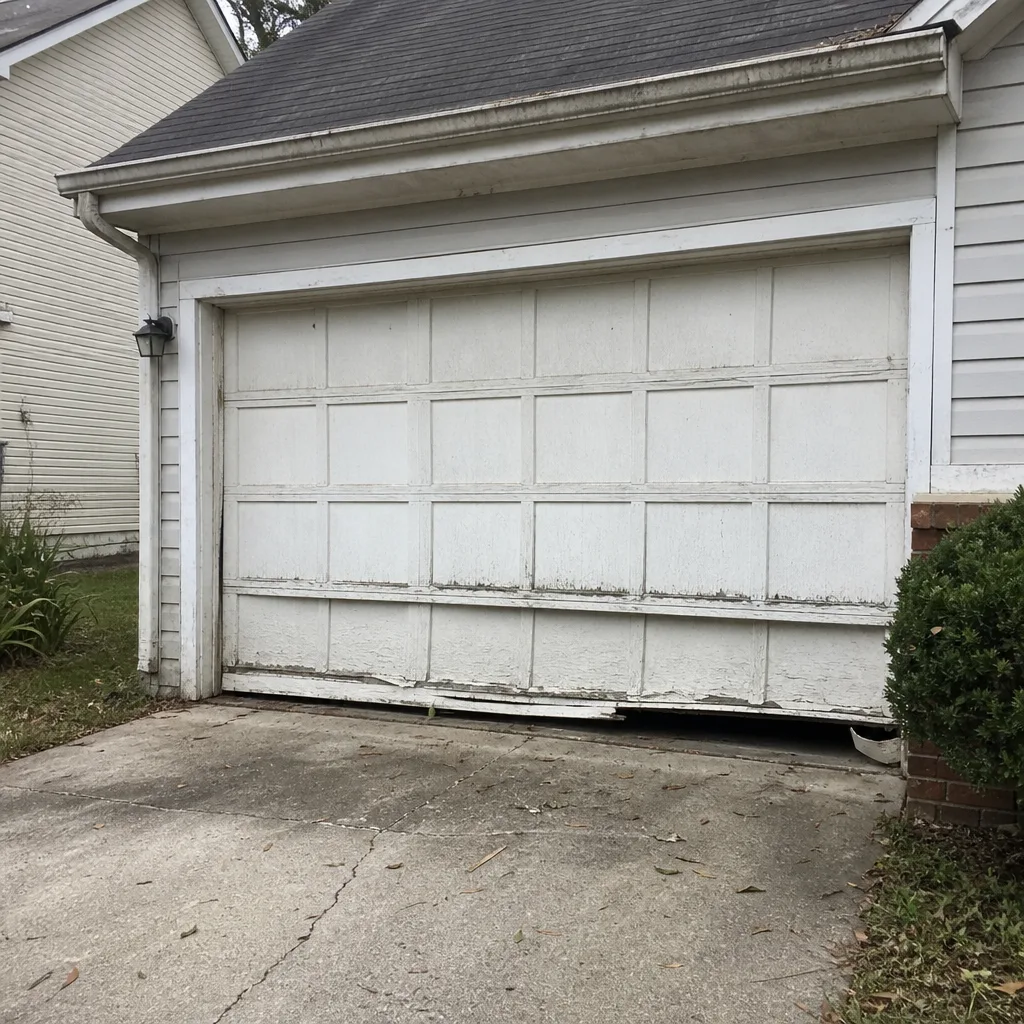
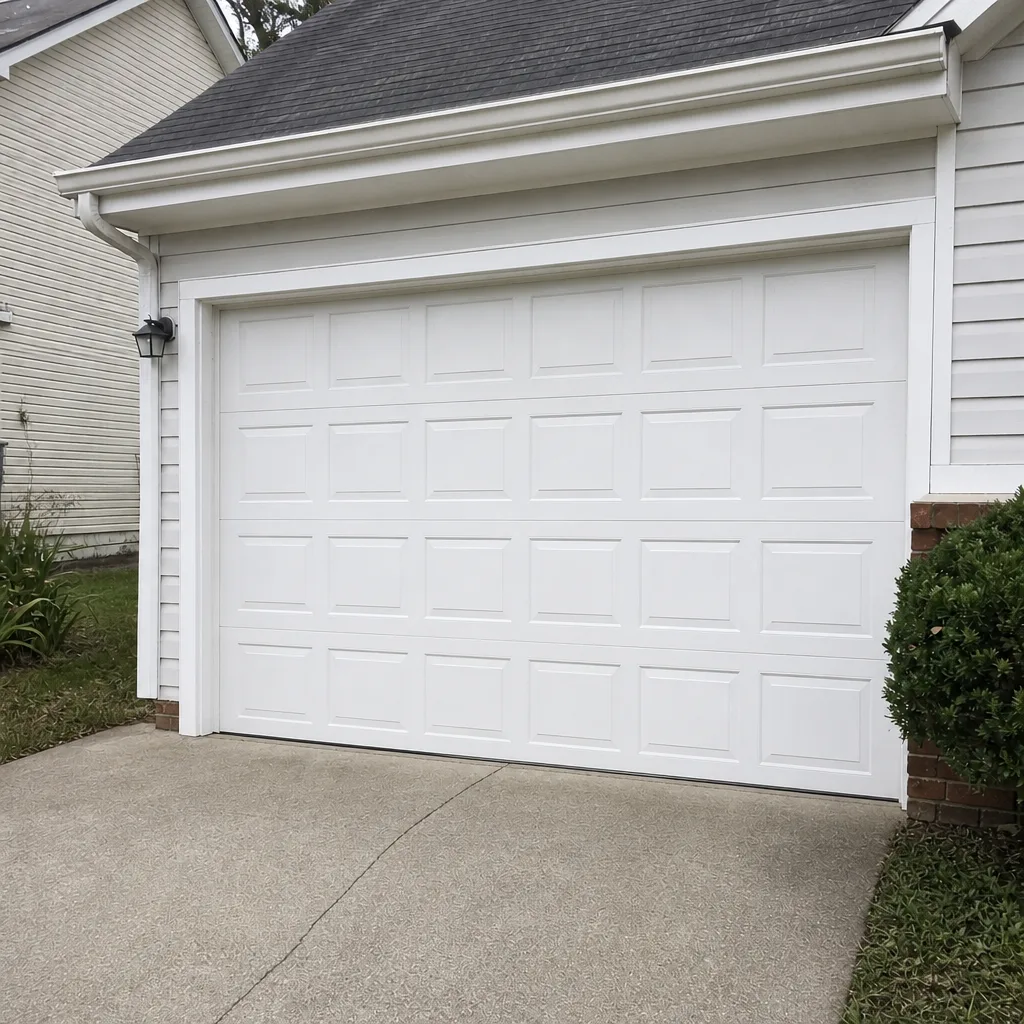
See the difference
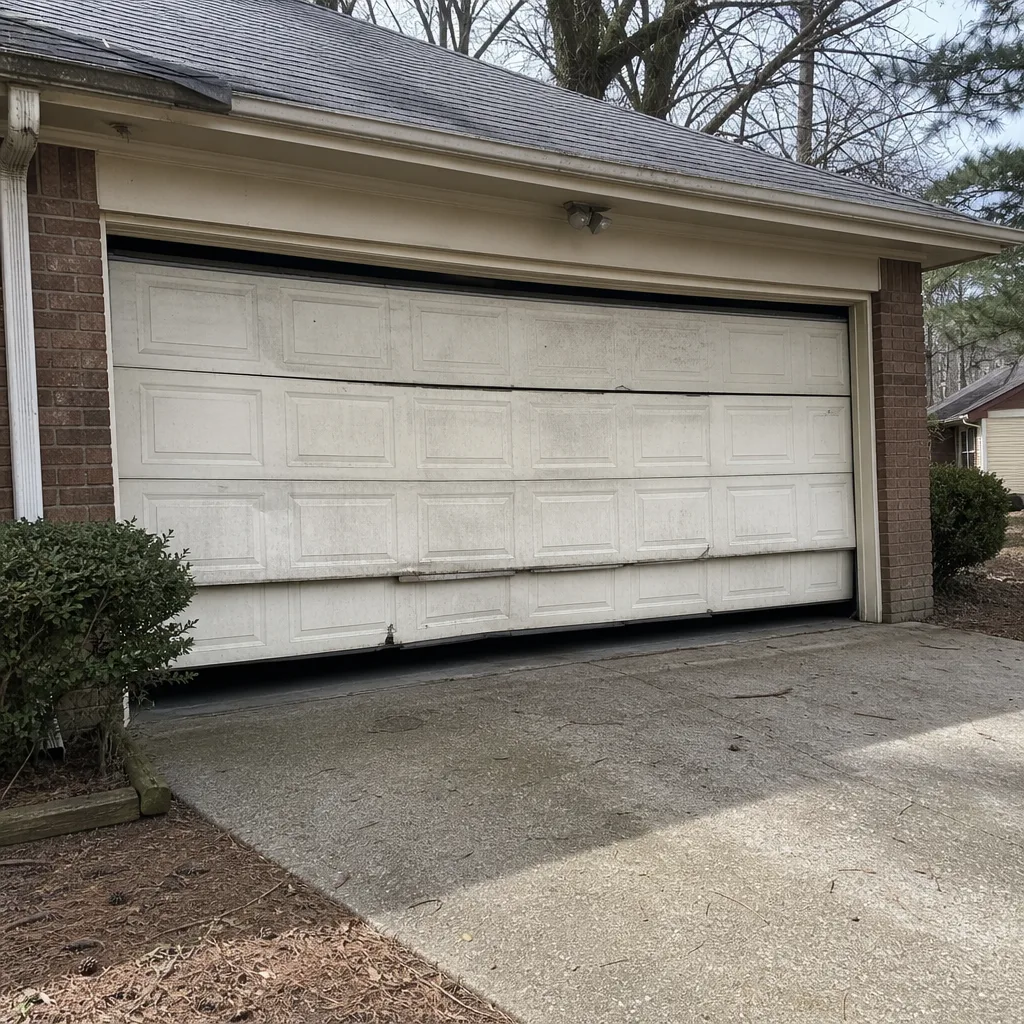 Before
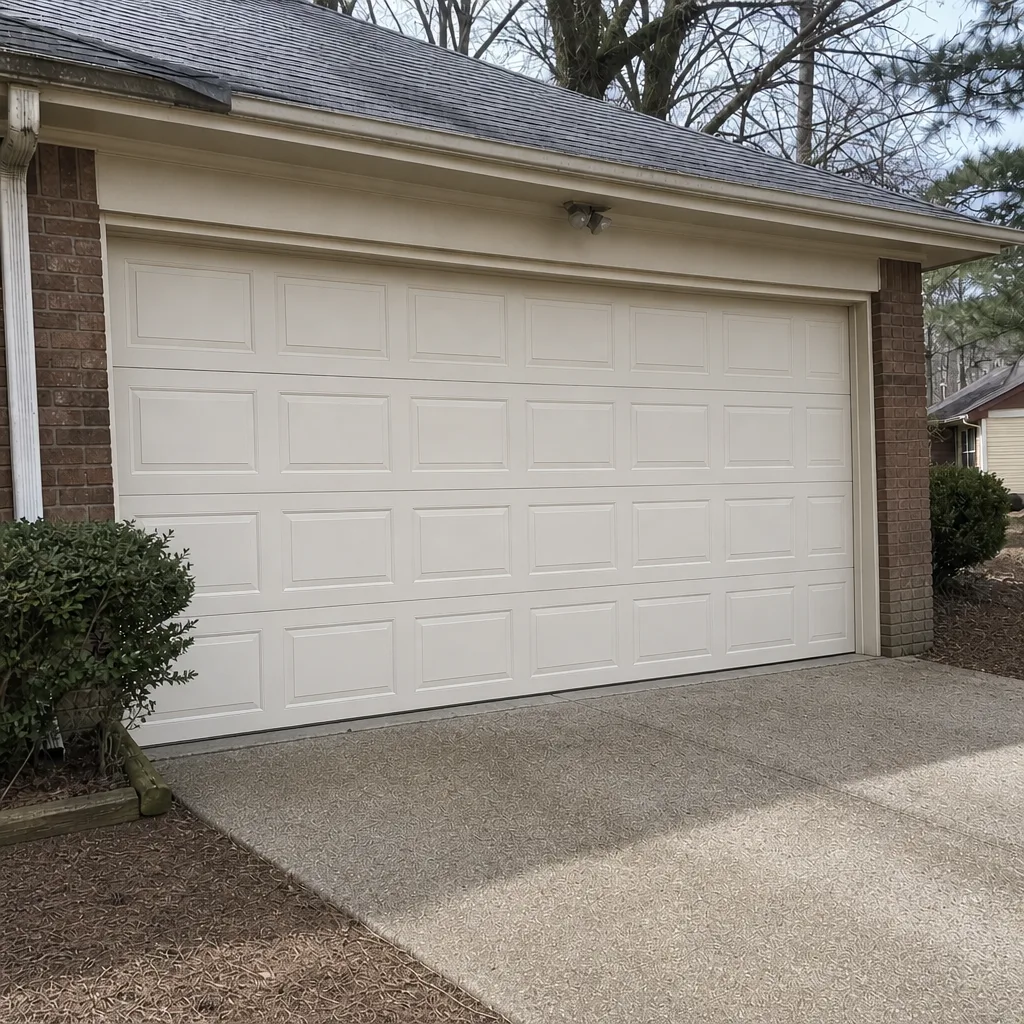 After
 Before
 After
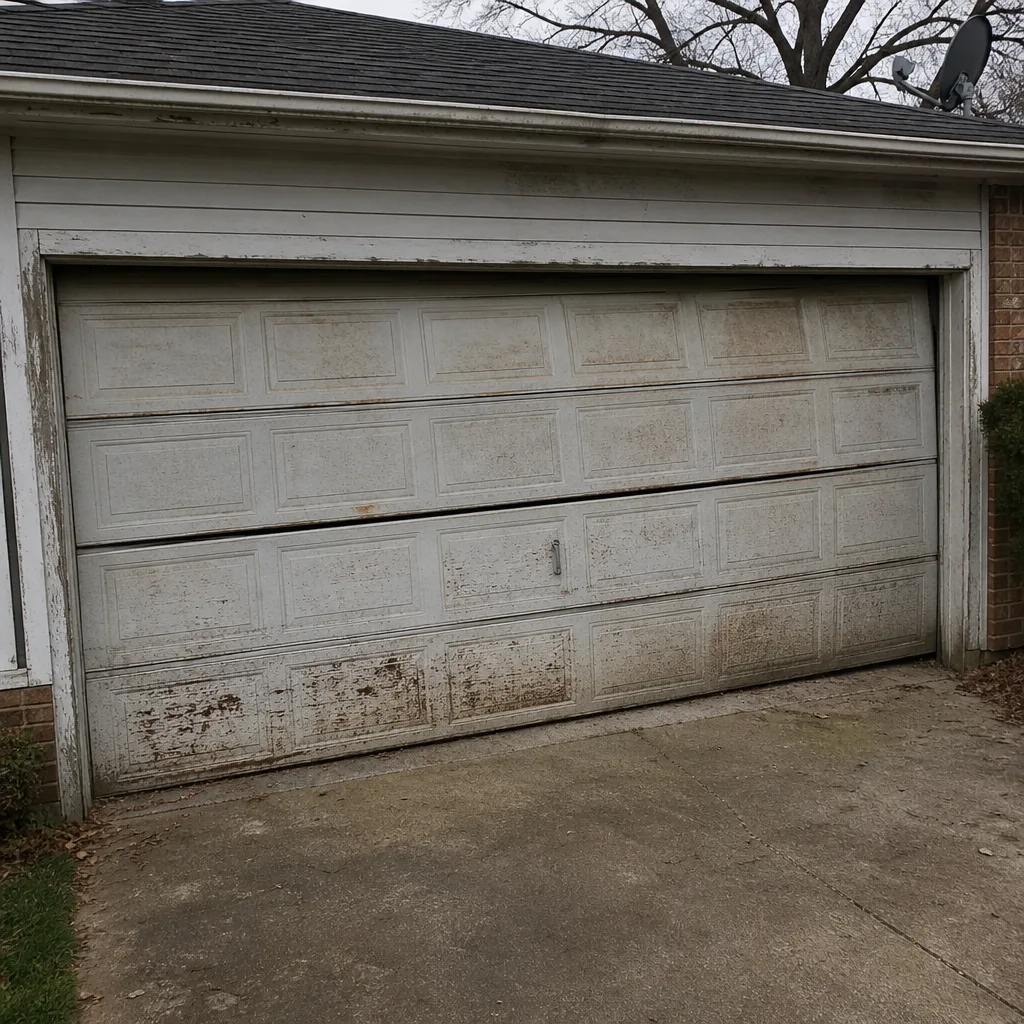 Before
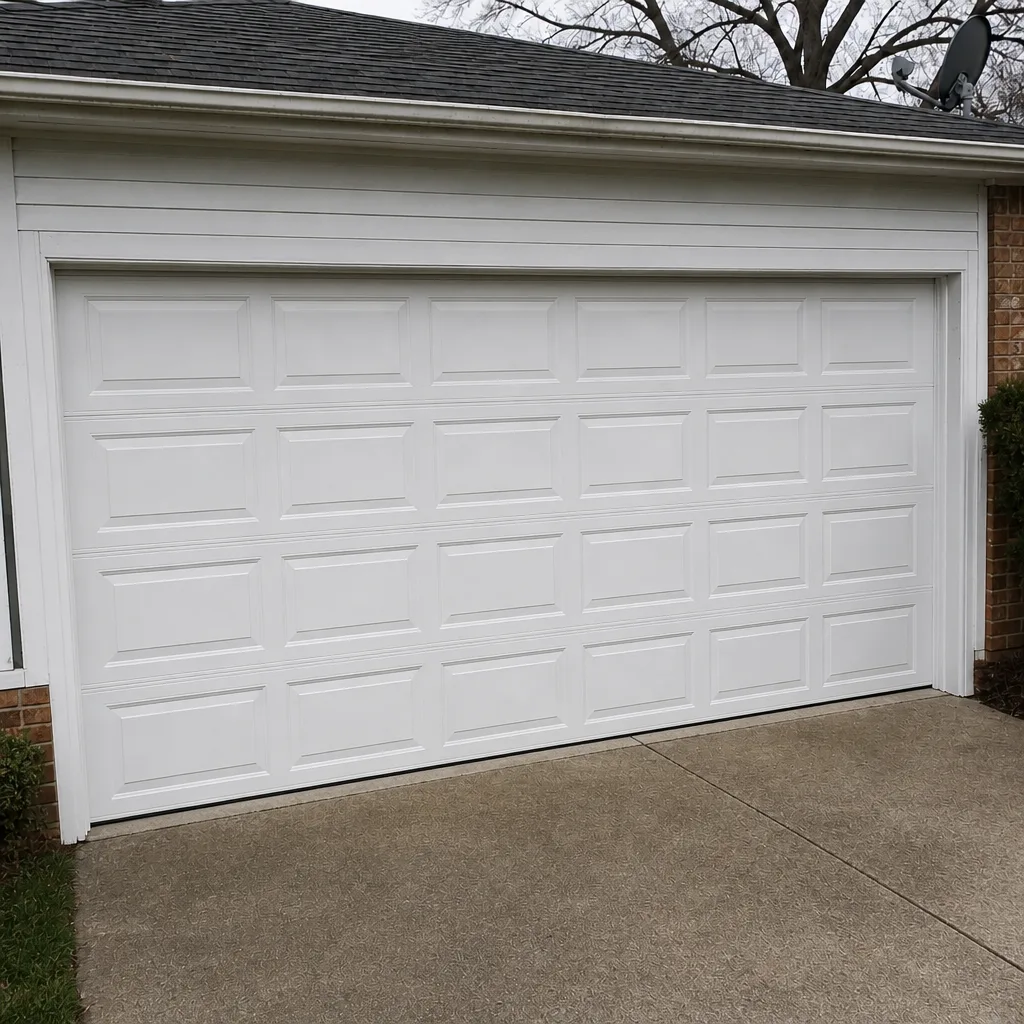 After
When to Call a Professional
Call a professional if you hear a bang from the garage and the door won’t open, if the door feels heavy when you lift it by hand, if it’s visibly tilted or off its track, if a gap has opened between spring coils, or if your opener is straining or reversing unexpectedly. Any of these means stop using the door until a technician has looked at it. For routine maintenance, a noisy roller, or a slow opener, a scheduled visit is the right move. Duluth Garage Door Repair Co offers free estimates in Duluth. Call (833) 509-5428, and we’ll quote the price before any work starts so there are no surprises on the invoice.
Frequently Asked Questions
The clearest sign is a door that feels heavy when you lift it by hand, often paired with a deep metallic groan from above the door and a door that sits unevenly or stops short of fully open. A visible gap or stretch in the spring coils is a strong warning. If you notice any of these, stop using the door and call (833) 509-5428 for a free estimate.
A failing torsion spring usually makes a low, resonant groan or twang that seems to come from above the door rather than from the tracks. That’s different from the thin, high-pitched squeal of a dry roller, which is a lubrication issue. If you hear the deep groan, it’s a spring problem, not a maintenance item, and it’s worth a call to (833) 509-5428.
No. A heavy door usually means a spring has lost tension or failed, and adjusting or replacing a torsion spring is a serious injury risk without the right tools and training. Stick to lubrication, sensor alignment, and battery changes yourself, and call a specialist for anything involving springs or cables. Call (833) 509-5428 for an exact quote; estimates are free.
The clay soil common around Duluth swells when wet and shrinks when dry, and that movement can shift a garage frame enough to open a gap at one corner. It’s a frame movement issue, not a worn seal, so replacing the seal won’t fix it. If you’re seeing seasonal gaps, call (833) 509-5428 and a technician can assess whether the frame has moved.
Usually not. A door that reverses before closing most often has misaligned or dirty safety sensors, or the force limit is set too low for a door that’s gotten heavier. Clean the sensor lenses first, then check the door’s balance. If the door feels heavy by hand, the door is the problem, not the opener. Call (833) 509-5428 if the issue persists.
Once a month, and it takes about a minute. Look for new gaps, listen for any change in sound, lift the door by hand to check balance, watch the opener’s travel, and test the safety reverse with a roll of paper towels. Monthly checks catch most developing problems before they turn into emergencies. If anything looks off, call (833) 509-5428.
The Bottom Line
Garage door failures leave a warning trail, and the homeowner who learns to read it avoids most emergencies. A heavy door, a deep groan from above, a gap that changes with the season, and an opener that strains or reverses are all signals worth acting on. A squeaky roller or a rattling hinge usually just needs attention, not alarm. The 60-second monthly check catches most of it. And when a spring, cable, or track is involved, stop using the door and call a specialist. In Duluth, where clay soil and humid summers work on doors year-round, that habit is what keeps a warning sign from becoming a snapped spring. If something on your door doesn’t feel right, call (833) 509-5428 for a free estimate, and we’ll quote the price before any work begins.
If a warning sign has turned into a door that won’t open or close, or if you’d rather have a specialist look before it does, call (833) 509-5428 today. We work on the brand you already own, from Clopay and Amarr doors to Genie and LiftMaster openers, and we repair first and replace only when necessary. Free estimates in Duluth, with the price agreed before any work starts.
Written by the team at Duluth Garage Door Repair Co.