Last updated November 23, 2026
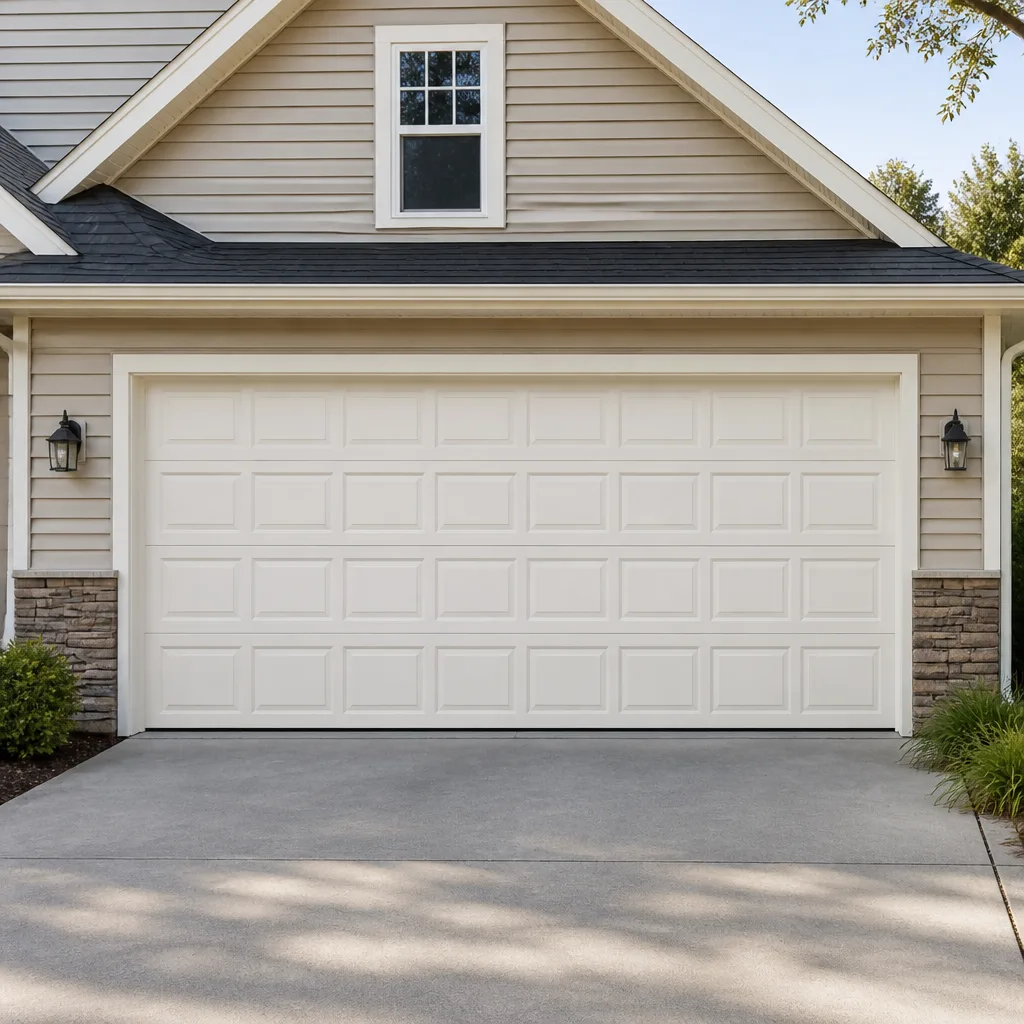 Raised-panel steel
 Carriage house
 Modern flush
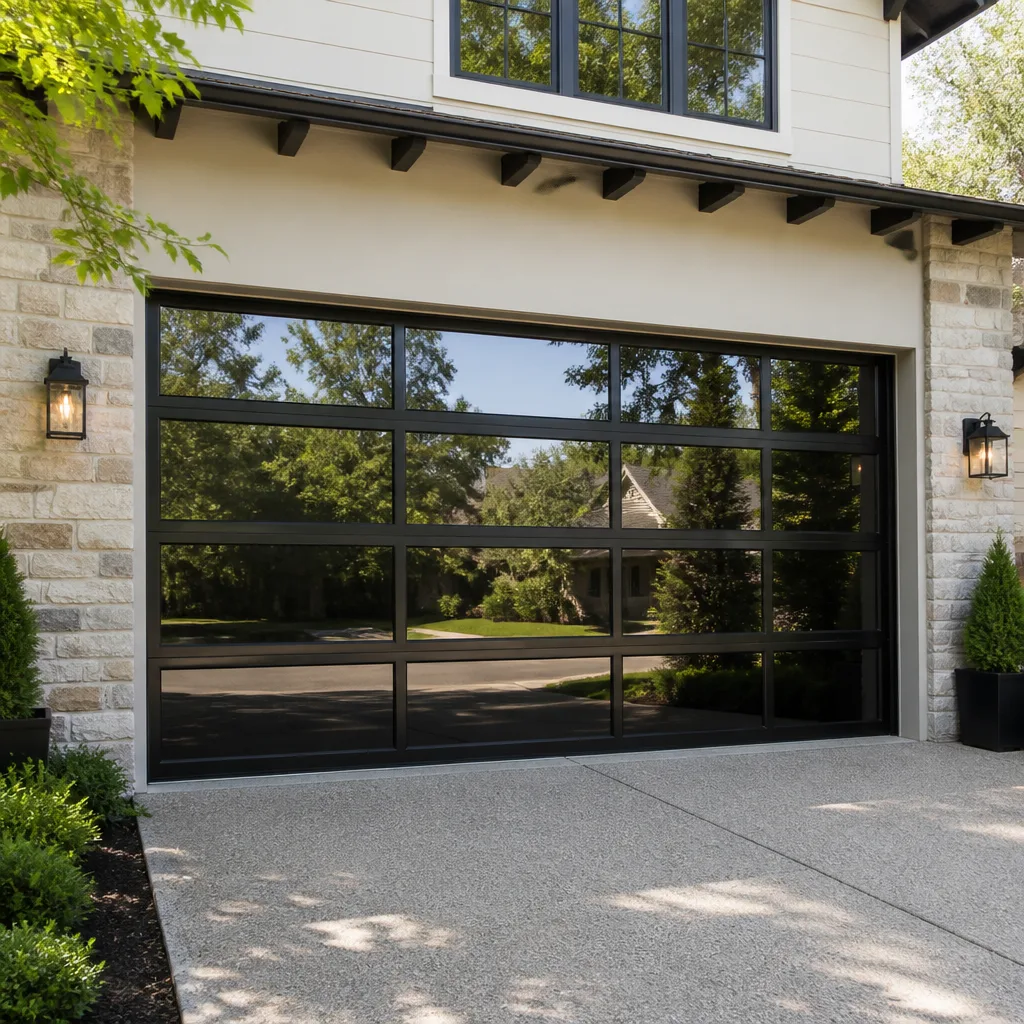 Full-view glass
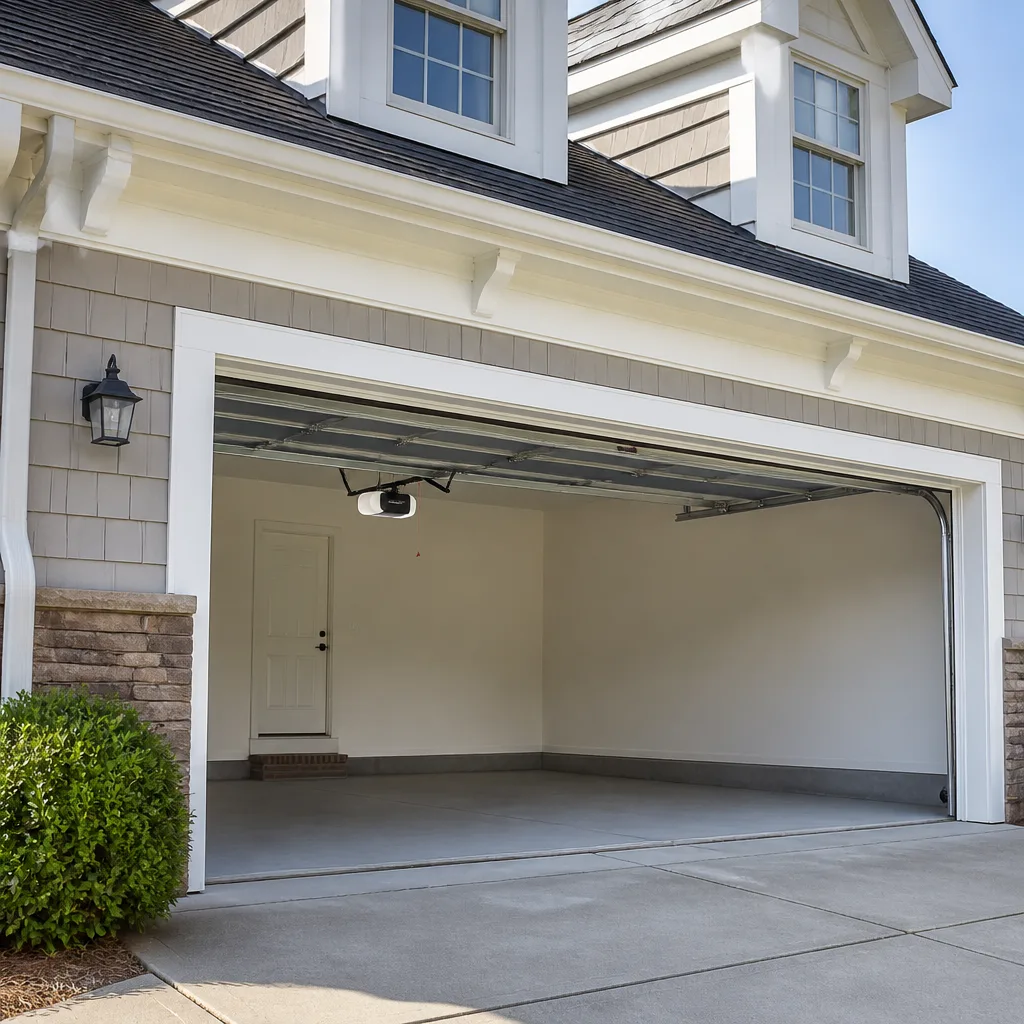 LiftMaster openers
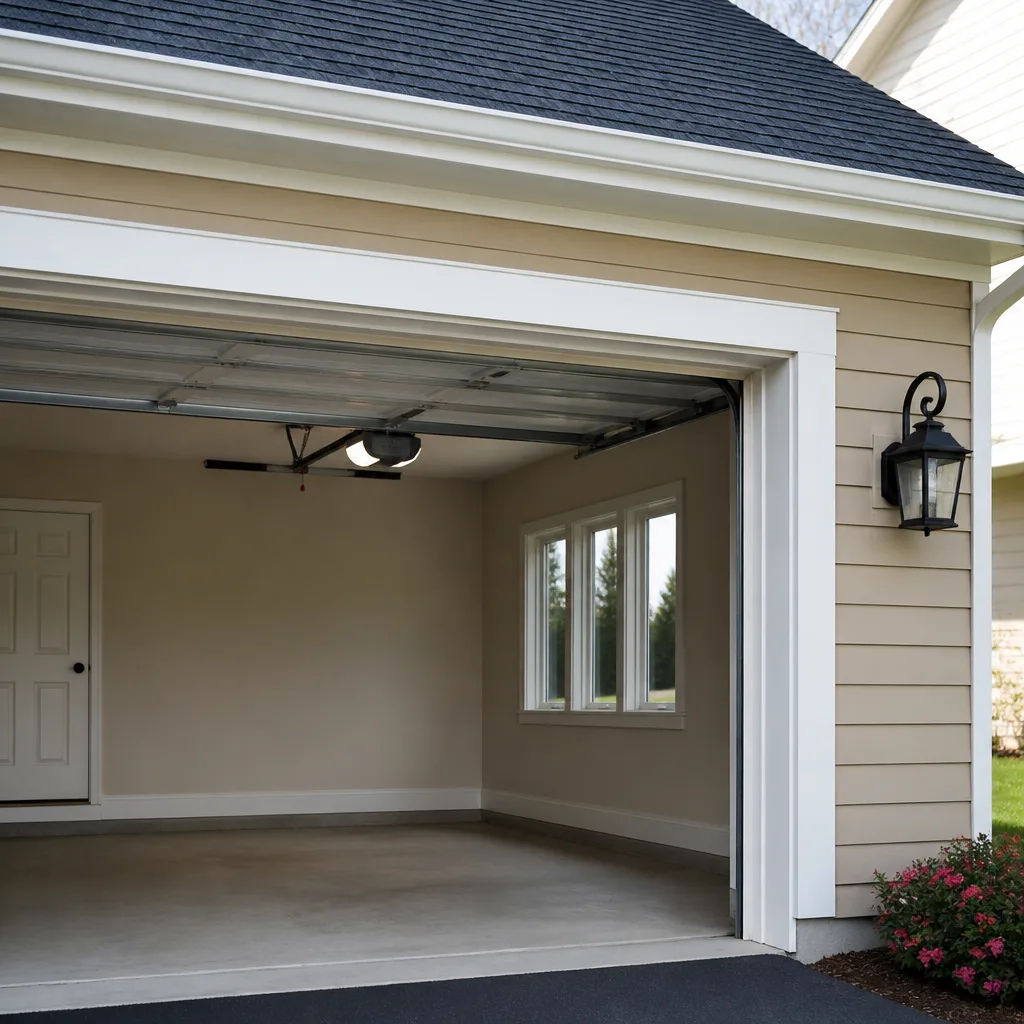 Chamberlain openers
Full 25-point door and opener safety check with every visit - springs, cables, rollers, tracks, and your LiftMaster or Chamberlain opener included
You get a price before we start. It does not change when the pro arrives.
Get your free estimateSeasonal Garage Door Care for Duluth: Year-Round Homeowner’s Guide
Most seasonal garage door guides are written for places with long, hard winters, and they tell you to worry about ice dams, snow load, and road salt. Duluth doesn’t work that way. Our year has a heavy summer humidity stretch, a thick spring pollen window, and a winter that mostly stays mild but can drop into a hard freeze with little warning. That combination produces a damage pattern you won’t read about in a northern guide: steel that expands in July heat, rollers that gum up with pollen in April, and bottom seals that weld themselves to a concrete driveway after a January cold snap. This guide walks through each season in Duluth, shows you how to read wear before it turns into a breakdown, and explains where the work stops being a homeowner job and starts being a specialist one.
Quick Answer
Garage door care in Duluth follows three seasonal pressure points rather than four equal ones: summer heat that changes how your opener needs to push, spring pollen that packs into rollers and seals, and short winter freezes that can ice a bottom seal to the driveway. A short inspection each season, plus an annual spring and cable check, catches most failures while they’re still cheap to fix. Anything involving torsion springs, cables, or opener force limits belongs with a trained technician.
Styles & brands we work with
- Raised-panel steel
- Carriage house
- Modern flush
- Full-view glass
- LiftMaster openers
- Chamberlain openers
Table of Contents
- Summer Care: Heat, Steel, and Opener Force Settings
- Spring Care: Pollen, Rollers, and Safe Cleaning
- Fall Care: Prepping Seals and Hardware for the Freeze Season
- Winter Care: When a Freeze Ices the Bottom Seal to the Driveway
- How to Track Seasonal Wear and Predict Failures
- A Simple Four-Season Inspection Routine
- Brand Matters: What Your System Actually Needs
- Common Mistakes to Avoid
Summer Care: Heat, Steel, and Opener Force Settings
Duluth summers sit around 90°F for stretches, and that heat does real things to a garage door. A steel door expands slightly as it warms, and the tracks, hinges, and rollers have to absorb that change. When the door expands against a track that was adjusted in cooler weather, you get binding, a door that shudders on the way up, and extra strain on the opener. Homeowners often notice the symptom in July without connecting it to the temperature.
The other summer issue is opener force. Every opener, whether it’s a Chamberlain, a Genie, or another brand, has a force setting that tells the motor how hard to push before it reverses. Heat raises friction slightly across the whole system. If your force setting was tuned at the edge of what the door needs, summer is when the opener starts reversing halfway up or stopping short. That’s not the opener failing; it’s the opener doing its safety job because something is binding.
What to do in summer:
- Listen to the door. Grinding, popping, or a heavy shudder means the track or rollers need attention before the opener pays for it.
- Check that the tracks are clear of debris and that the vertical and horizontal sections line up. A track knocked out of alignment by a bump is a common summer complaint.
- Have the force and travel limits checked by a technician. Force settings are a safety adjustment, and getting them wrong can defeat the reversal feature that protects people and pets.
- Watch the weatherstripping on the bottom seal. Summer heat softens it, and a soft seal can tear or stick.
If your door is struggling in the heat, it’s usually a friction problem rather than an opener problem, and that’s worth diagnosing properly before anyone sells you a new motor. When a door does fail outright in Duluth, our garage door repair service handles the fix, and opener issues go to garage door opener repair.
Spring Care: Pollen, Rollers, and Safe Cleaning
Duluth’s spring pollen window is short but intense, and pollen is one of the most overlooked causes of garage door wear. The fine yellow dust coats everything, and on a garage door it works its way into the rollers, the hinges, and the track. Mixed with a little humidity, pollen turns into a sticky paste that attracts grit. That grit grinds the roller bearings and the hinge pins every time the door moves. By the time a homeowner notices the door is noisier, the damage is already done.
The bottom seal is the second spring target. Pollen, grass clippings, and dust collect along the seal’s edge, and if you blast it with a pressure washer or a harsh cleaner, you’ll strip the weatherstripping and leave it cracked and brittle. The right approach is gentler.
A safe spring cleaning method:
- Brush the seal and track with a soft brush or a vacuum before you wet anything. Dry removal gets rid of most of the pollen without pushing it deeper.
- Wipe the bottom seal with a damp cloth and a mild soap solution. No solvents, no degreasers, no pressure washing, which damages weatherstripping.
- Wipe the rollers and hinge points with a dry cloth to remove grit, but don’t spray lubricant into the tracks. Track lubricant attracts dirt and makes the problem worse.
- Check the seal for cracks or a flattened edge. A seal that’s lost its shape won’t keep out wind, rain, or pests.
- Look at the door’s balance by hand: disconnect the opener and lift the door halfway. It should stay put. If it drops or rises, the springs need adjusting, and that’s a technician job.
Pollen season is also a good time to look at your opener’s safety reversal. Place a small object in the door’s path and confirm the door reverses when it contacts it. If it doesn’t, stop using the door and get it looked at. Our Duluth Garage Door Repair Co team sees plenty of spring-season calls that trace back to a seal or roller issue that could have been caught in April.
Fall Care: Prepping Seals and Hardware for the Freeze Season
Duluth’s winter is mostly mild, but it does produce hard freezes, and those freezes are what catch homeowners off guard. A single night that drops well below freezing can turn a small problem into a stuck door. Fall is the window to get ahead of that. The work is mostly about seals, hardware, and the parts that hold moisture.
What fall prep covers:
- Bottom seal: Check for cracks, tears, or a seal that has pulled loose from the door. A worn seal lets in cold air and moisture, and moisture is what freezes your door to the driveway. A seal that’s already damaged won’t survive a freeze.
- Hardware: Look for loose hinge bolts, worn rollers, and any rust on the tracks or springs. Small rust spots that sit through a wet winter turn into seized parts by spring.
- Cables: Cables under tension are dangerous to handle, so this is a visual check only. If they look frayed or kinked, call a technician. Don’t touch them.
- Lubrication: A light application of a proper garage door lubricant on the hinges and roller bearings (not the tracks) helps them survive the cold. Cold thickens grease, so the wrong lubricant can actually slow the door down.
- Weatherstripping around the door frame: This is the trim that seals the sides and top. Inspect it and replace any section that’s cracked or pulling away.
Fall is also the best time for a full spring and cable inspection. Torsion springs are the highest-tension part of the whole system, and a spring that’s near the end of its life can fail during the first cold snap when the metal is at its most brittle. Spring repair is dangerous without the right training, which is why we handle it as a dedicated specialty through our garage door spring repair service rather than as a side job.
Winter Care: When a Freeze Ices the Bottom Seal to the Driveway
When a Duluth freeze does ice your bottom seal to the driveway, the worst thing you can do is hit the opener and force it. The opener will pull hard, the seal will tear or the door will flex, and you’ll be looking at far more than a stuck door. And on a safety note, if the door is frozen shut and the opener keeps pushing, it can trip the reversal or stress the opener’s internal parts. It’s not a moment to force anything.
The safer approach when a door is frozen:
- Disconnect the opener using the manual release. On most openers this is the cord and handle on the carriage. In a garage door opener repair sense, knowing where that release is comes before you ever need it.
- Check the seal line for ice. If the seal is bonded to the concrete, don’t pry it with a metal tool, which can tear the rubber or chip the driveway.
- Use a gentle warm-water approach on the ice line, or simply let the door sit until the sun or warmer air releases it. Never use boiling water on a cold door or seal.
- Once it’s free, inspect the seal. If it tore, it needs replacing before the next freeze.
- Have the tracks and rollers cleared of any ice or packed debris before you run the door again.
The real fix for a frozen seal isn’t a winter reaction; it’s a fall replacement. A flexible, well-fitted seal sheds ice better than an old, hardened one. A door that fails during a freeze can leave your car trapped, and that’s when our emergency service matters. Stuck door, same day is the goal, and Duluth homeowners can call for urgent door failures rather than waiting days for a generalist to fit them in.
How to Track Seasonal Wear and Predict Failures
Most garage door failures announce themselves months before they happen. The trouble is that the signs are small and easy to ignore. If you track a few simple observations each season, you can spot a part on its way out and replace it on your schedule instead of on the morning you’re already late.
What to track:
- Sound: Note how the door sounds each season. A change from a smooth hum to a rattle or a grind is the earliest signal.
- Speed and travel: Does the door slow down or stop short at a certain point? That points to a specific track or roller location.
- Balance: Each season, disconnect the opener and lift the door by hand. If it doesn’t hold its position, the spring tension has drifted. That’s a spring job, and springs are dangerous to adjust yourself.
- Seal condition: Look at the seal each season. Cracking, flattening, or a gap at the corners means replacement is coming.
- Opener behavior: Any reversing, beeping, blinking lights, or short cycles are worth logging. On a Chamberlain or Genie, the light codes can point to a specific fault.
A simple notebook or a note on your phone works. Write the date and what you noticed. Over a year, you’ll see a pattern: the door that’s noisier in July, the seal that’s already stiff by October. That’s how you predict a failure rather than react to one. In our experience, the homeowners who keep a small log are the ones who get the fixed-before-broken call instead of the emergency one.
A Simple Four-Season Inspection Routine
A garage door is the largest moving part of your home, and it moves several times a day. A short, structured inspection each season is the single best way to protect it. Here’s a routine you can run yourself, plus the points where you should hand off to a technician.
Your checklist:
- Visual pass: Look at the springs, cables, and the door panels. Note rust, fraying, or dents. Don’t touch springs or cables.
- Hardware check: Confirm hinges and brackets are snug. If a bolt is loose, tighten it, but stop if you spot a cracked bracket.
- Track check: Run your hand along the tracks. Any dent, debris, or misalignment needs attention.
- Balance test: Disconnect the opener and lift the door by hand. It should open smoothly and stay put at the halfway point.
- Safety test: With the opener reconnected, confirm the door reverses when it meets an object in its path.
- Seal check: Look at the bottom seal and the side weatherstripping for cracks, gaps, or hardened rubber.
- Opener check: Note any change in force, speed, or light codes.
The hand-off points are clear: springs, cables, and opener force limits are technician work. These are the highest-risk parts of the system, and a mistake with any of them can hurt someone or damage the door. Everything else on the list you can do safely. Book the professional check once a year, and you’ll have a door that’s running right in every season.
Brand Matters: What Your System Actually Needs
Not every garage door and opener behaves the same way in Duluth’s climate. A steel Clopay door expands and contracts differently than a wood-composite Amarr door, and an older Chamberlain opener has different force settings than a newer Genie. Knowing the brand matters because the seasonal adjustments are brand-specific. A technician who works across brands can diagnose the actual system rather than guessing across unfamiliar hardware.
We’re factory-familiar with eight major brands: LiftMaster, Chamberlain, Genie, Clopay, Amarr, Wayne Dalton, Craftsman, and Raynor. That fluency means we know the common failure points on each. It means we can read the light codes on a Chamberlain or a Genie, and it means we can tell a Clopay owner which seal replacement fits their door. It also means we can recommend a genuine repair rather than a replacement. Repair first, replace only when necessary is how we approach every system, and multi-brand familiarity is what makes that possible.
One more seasonal point: the brand of your opener also determines whether your force settings will hold through the summer. Some openers drift more than others as the door heats up. A technician who knows your system can set the force and travel limits to account for the seasonal swing, which is a small adjustment that prevents a lot of July headaches.
Common Mistakes to Avoid
- Pressure-washing the bottom seal. It feels like a quick way to clean off pollen, and it strips the weatherstripping. A soft brush and a damp cloth do the job without the damage.
- Spraying lubricant into the tracks. The tracks collect grit already, and oil turns it into a paste that wears the rollers. Lubricate the hinges and roller bearings, not the tracks.
- Forcing a frozen door with the opener. When a Duluth freeze welds the seal to the driveway, hitting the button tears the seal and stresses the opener. Disconnect it and free the ice gently.
- Prying ice off the seal with a metal tool. A shovel or scraper can tear the rubber or chip the concrete. Warm water or waiting for the sun is the safe route.
- Adjusting springs yourself. Torsion springs are under extreme tension, and a mistake can cause serious injury. This is the one part of the system that always goes to a technician.
- Ignoring a slower door in summer. A door that binds in the heat is telling you the track or rollers need work. Waiting until it jams turns a small adjustment into a bigger repair.
- Skipping the fall inspection. It’s easy to let fall go because the weather is pleasant. That’s exactly when the seals and hardware that will face the first freeze should be checked.
See the difference
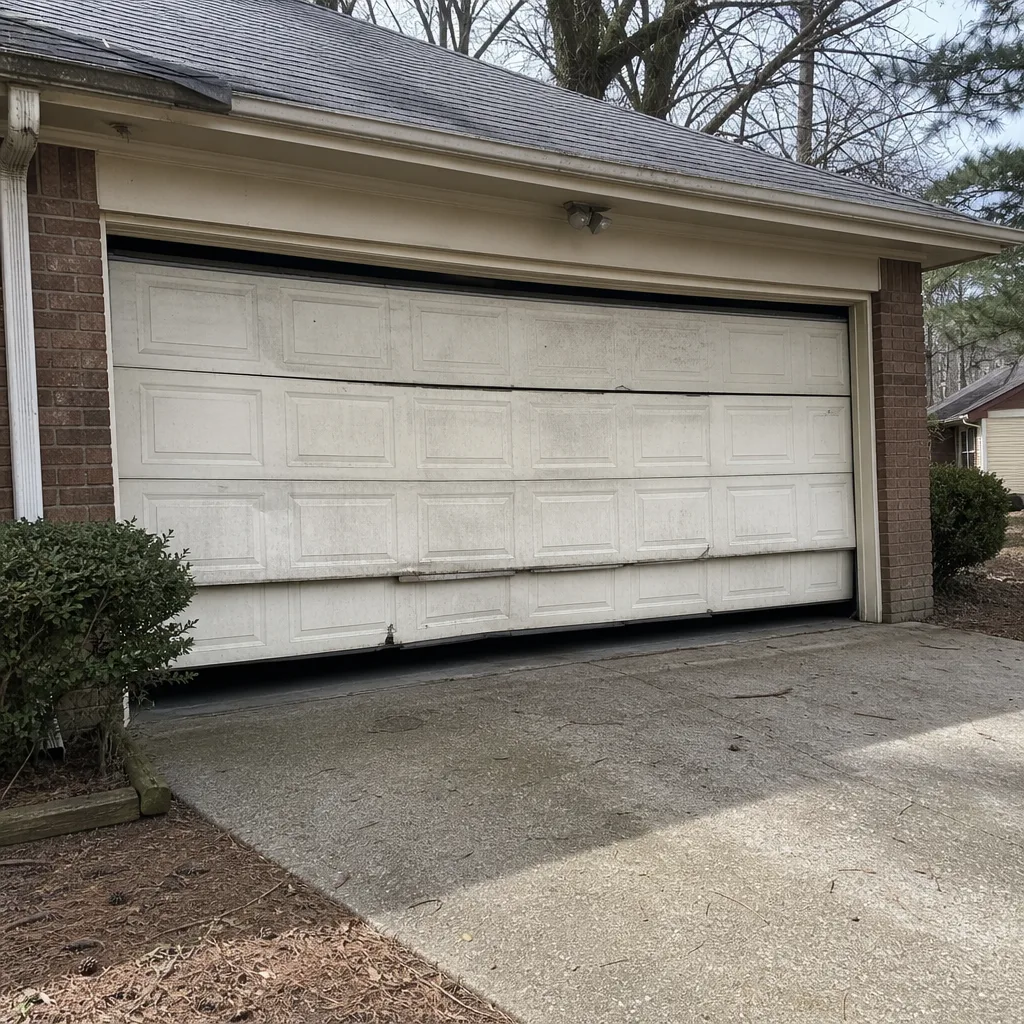 Before
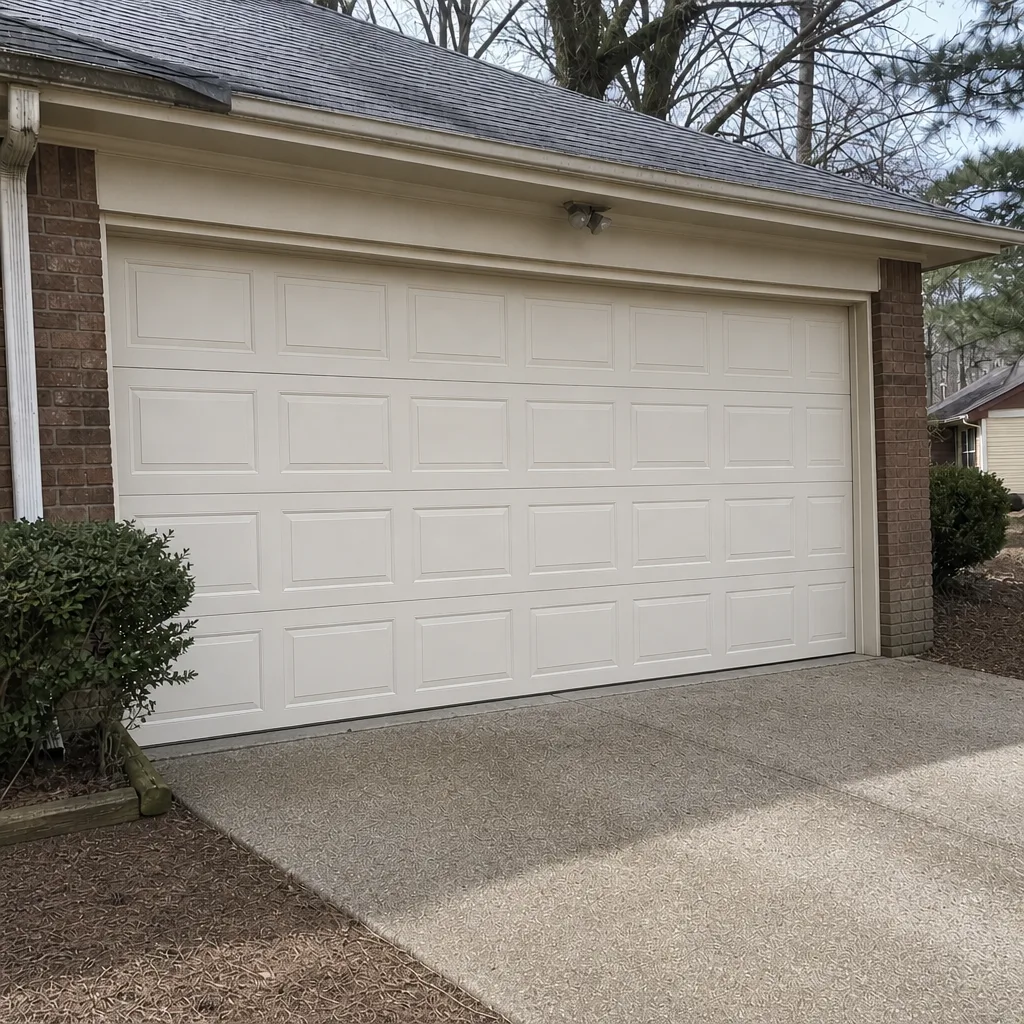 After
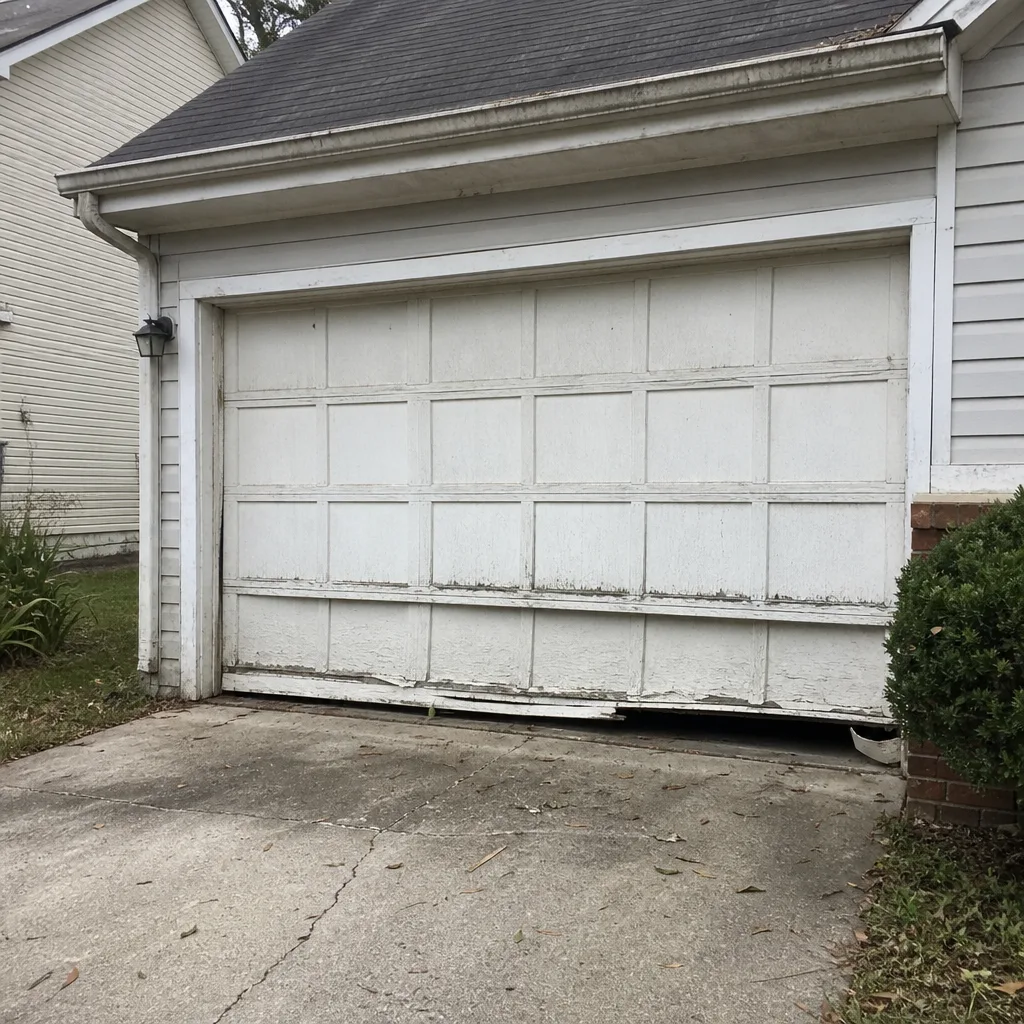 Before
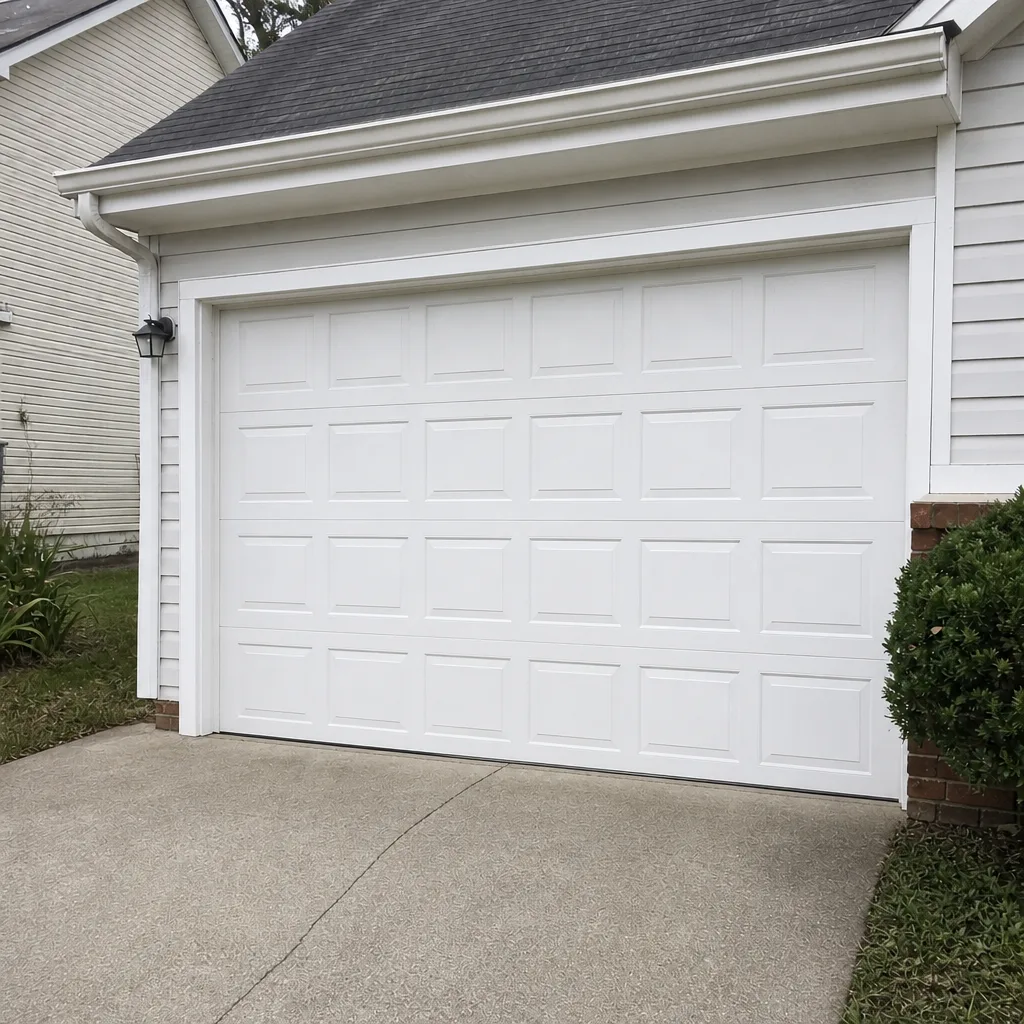 After
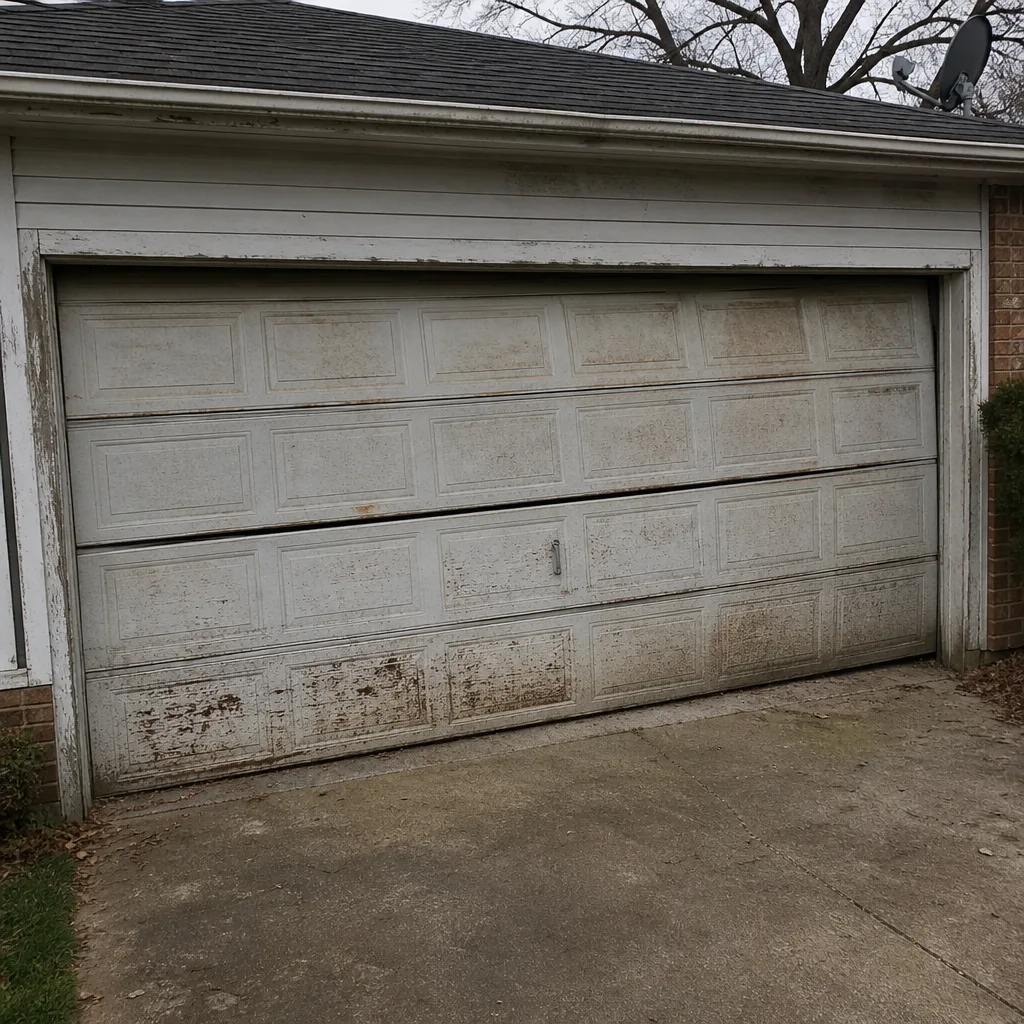 Before
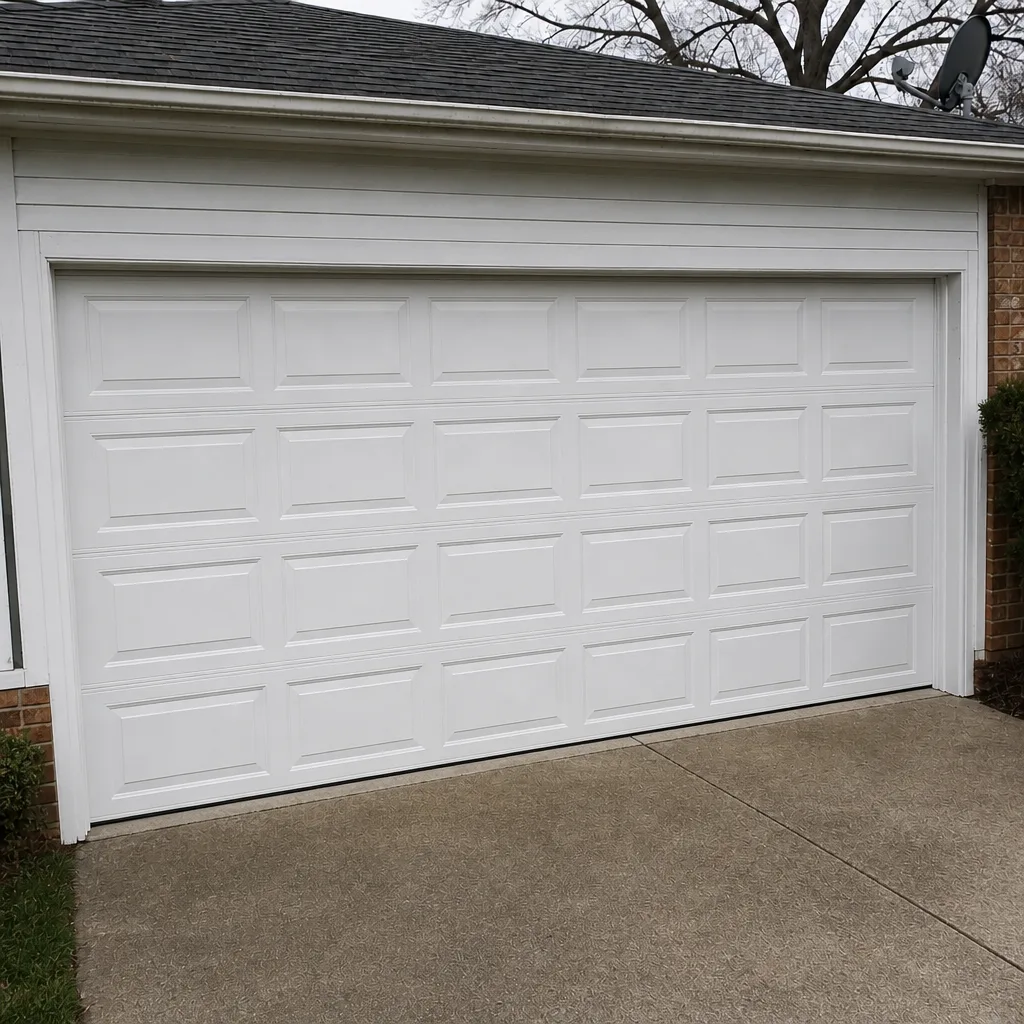 After
When to Call a Professional
Call a technician when the problem touches springs, cables, or opener force limits, when the door is out of balance, when you hear grinding or popping that doesn’t clear after a look at the tracks, or when the door won’t open or close at all. Also call if a seal is torn and the next freeze is coming, or if your opener is reversing without an obvious cause. These are the jobs where a specialist’s training matters, and where an incorrect fix can create a safety problem. Duluth Garage Door Repair Co offers free estimates in Duluth, and our technicians have up to 9 years of experience across the major brands. Call (833) 509-5428, and the price is quoted and agreed before any work starts.
Frequently Asked Questions
Once a year for a professional check, plus a short visual inspection each season. Duluth’s combination of summer heat, spring pollen, and winter freezes puts different stress on the door at different times, so the seasonal routine matters more here than the annual visit alone. Call (833) 509-5428 for a free estimate on any service.
Because summer heat expands the door and raises friction, which can trip the opener’s force setting. It’s usually a friction problem, not a failing opener. Have a technician check the tracks, rollers, and force limits before you consider a replacement. Call (833) 509-5428 to get it looked at.
Disconnect the opener and gently free the seal with warm water or by waiting for the sun. Don’t force it with the opener or pry it with metal. If the seal tore, it needs replacing before the next freeze. Call (833) 509-5428 for help with a frozen or stuck door.
Spring repair is priced per spring, and a matched pair is usually replaced together, so a pair costs roughly twice a single spring. The written estimate sets the final price, and we quote before any work starts. Call (833) 509-5428 for an exact quote; estimates are free.
Yes, because a cracked or hardened seal lets in moisture that freezes the door to the driveway. Replacing it in fall is far cheaper than dealing with a stuck door in a freeze. Call (833) 509-5428 to schedule a seal check.
For repair and emergency calls, same-day service is often possible. Stuck door, same day is the goal. Installation and replacement work is measured, ordered, and scheduled, so the timing is different. Call (833) 509-5428 and we’ll talk through what your door needs.
The Bottom Line
Duluth’s garage door care isn’t about surviving a long northern winter. It’s about managing three pressure points: summer heat that changes how your opener pushes, spring pollen that grinds into rollers and seals, and short winter freezes that can ice a bottom seal to the driveway. Track the small signs each season, replace seals in fall, and leave springs, cables, and force settings to a technician. That routine is what keeps a door running smoothly all year, and it’s what turns a surprise breakdown into a scheduled repair. For free estimates in Duluth, call (833) 509-5428.
Written by the team at Duluth Garage Door Repair Co.