Last updated November 23, 2026
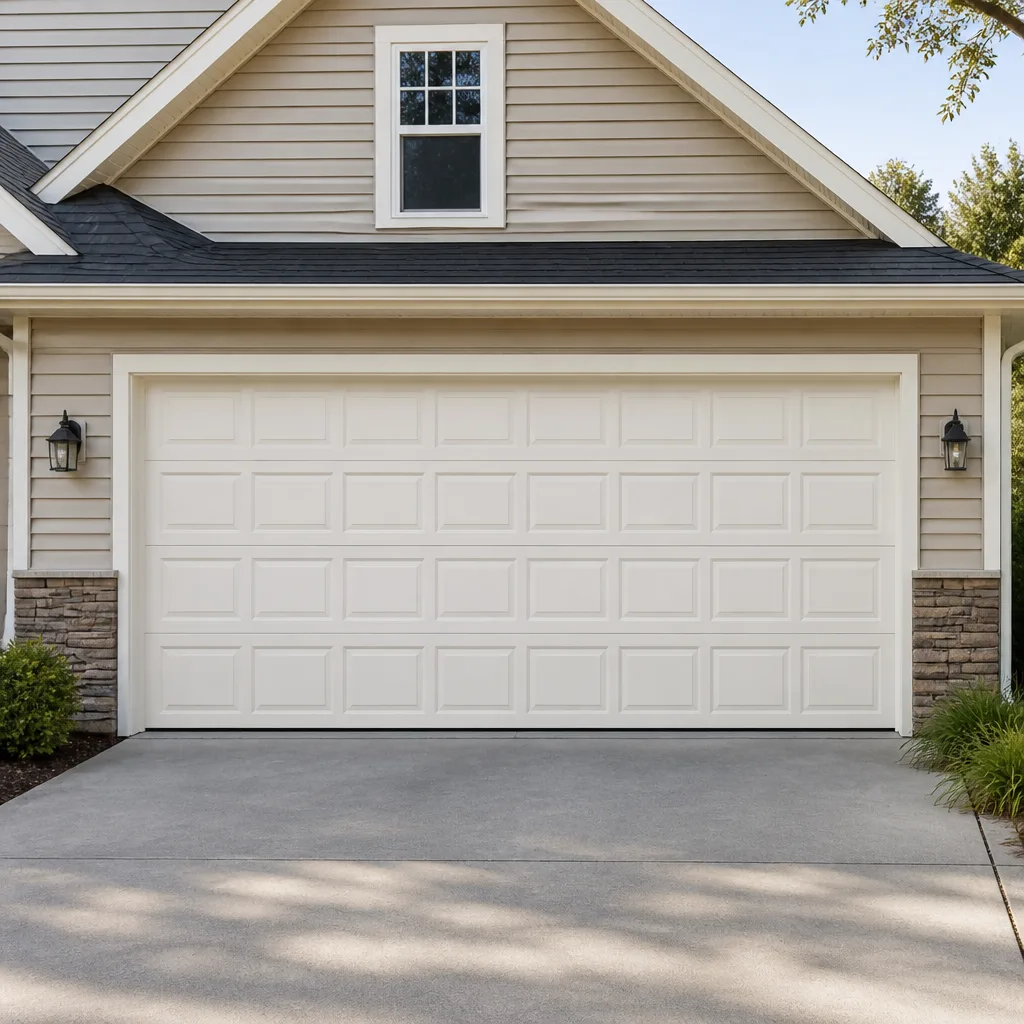 Raised-panel steel
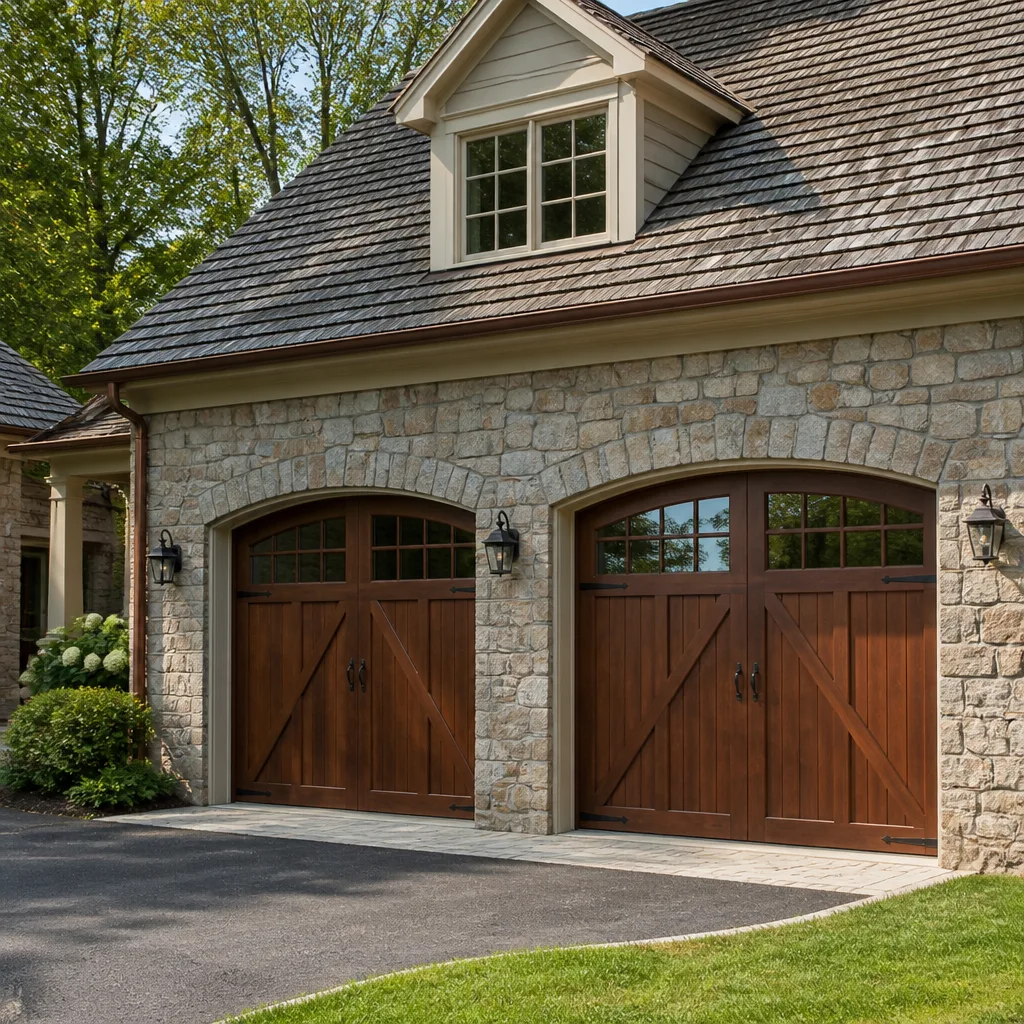 Carriage house
 Modern flush
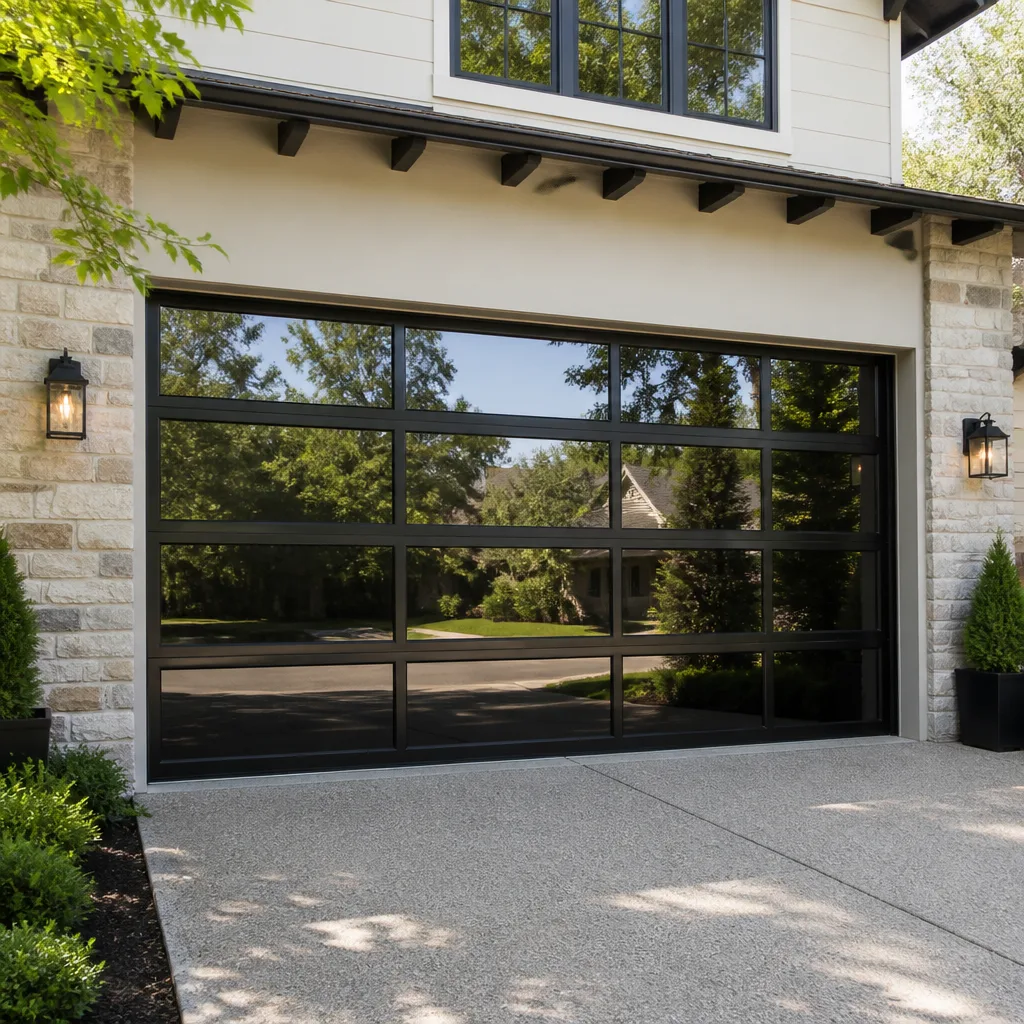 Full-view glass
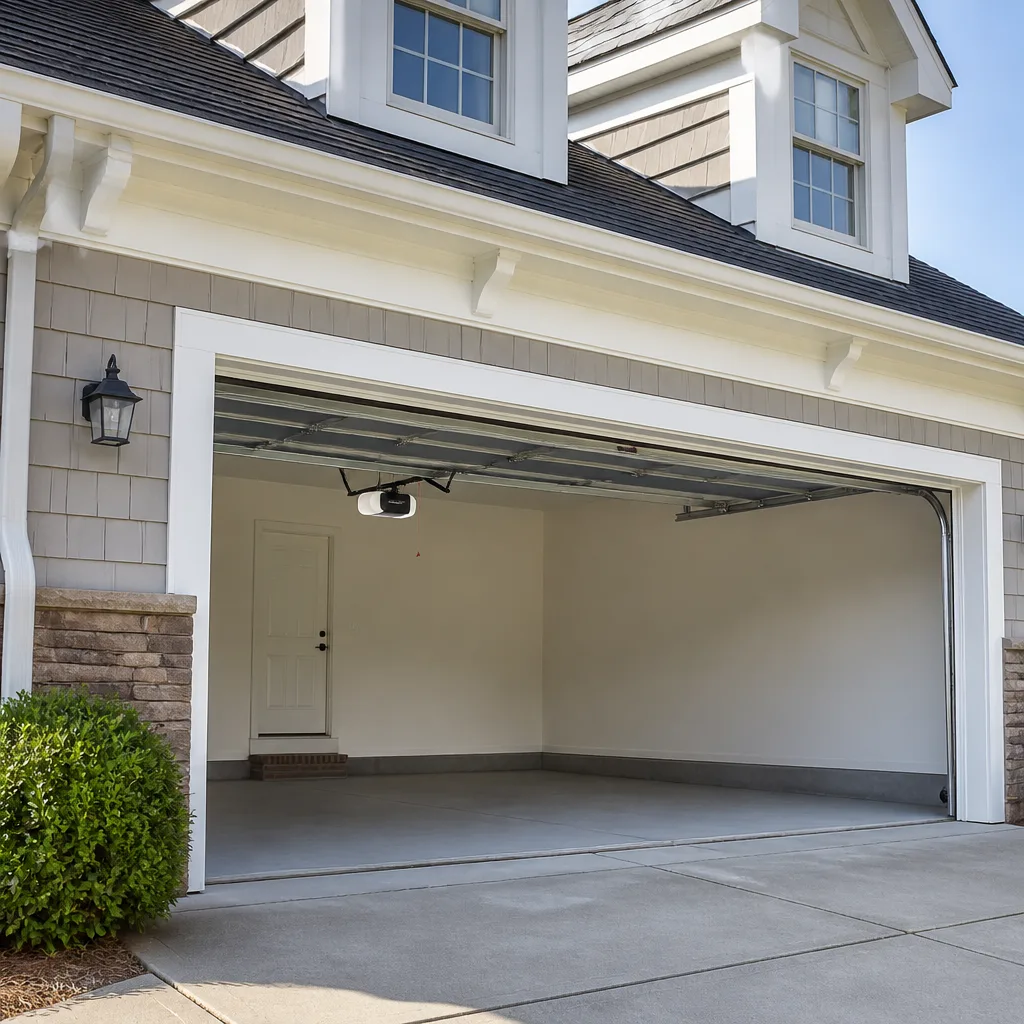 LiftMaster openers
 Chamberlain openers
Full 25-point door and opener safety check with every visit - springs, cables, rollers, tracks, and your LiftMaster or Chamberlain opener included
You get a price before we start. It does not change when the pro arrives.
Get your free estimateGarage Door Repair Maintenance Schedule: What to Do and When
Garage door springs are rated for roughly 10,000 cycles. Use your door four times a day and you’ll reach that number in under seven years. Most homeowners have no idea where they sit in that cycle until a spring snaps on a cold morning and the door won’t budge. The bigger misconception is that one annual tune-up covers everything. It doesn’t. A garage door has close to a dozen moving parts, and they wear on completely different timelines. This guide lays out the right interval for each one so nothing gets over-serviced and nothing gets dangerously neglected. We’ll walk through monthly checks, quarterly lubrication, the 60-second balance test, and the parts that need replacing on a fixed clock. If you’re in Duluth, we’ll also explain why October is the smart month to schedule a full inspection here.
Quick Answer
A practical garage door maintenance schedule looks like this: a quick visual check every month, lubrication every three months, a balance and safety test once a year, and replacement of wear parts like rollers, hinges, and springs on a five-to-seven-year window (sooner for springs under heavy daily use). Schedule one full professional inspection annually, ideally in October in North Georgia before cold snaps stress the hardware.
Styles & brands we work with
- Raised-panel steel
- Carriage house
- Modern flush
- Full-view glass
- LiftMaster openers
- Chamberlain openers
Table of Contents
- Why One Annual Tune-Up Isn’t Enough
- The Monthly Check: Five Minutes, Five Things
- The Quarterly Lubrication Routine (and the Right Products)
- The 60-Second Balance Test
- The Annual Inspection Checklist
- Parts Replacement Windows: The Five-to-Seven-Year Clock
- Why October Is the Right Month in Duluth
- What to Log After Every Maintenance Pass
Why One Annual Tune-Up Isn’t Enough
Your garage door is the largest moving part of your home, and it isn’t one machine. It’s a system. The torsion springs, rollers, hinges, cables, tracks, and opener each do a different job under different stress, and they fail at different rates. A single yearly visit treats them all the same, which means some parts get lubricated far more than they need while others quietly wear out between appointments.
Think about the timelines. Rollers in daily use develop flat spots and noisy bearings in two to four years. Nylon rollers last longer but crack. Steel rollers corrode. Hinges dry out and start squealing. Springs, the highest-tension component in the whole assembly, are rated in cycles, not years, so a household that opens the door eight times a day burns through a spring twice as fast as a household that opens it four times. None of those parts share a schedule.
When we talk with homeowners in Duluth about maintenance, the conversation usually starts with a stuck or noisy door and ends with a plan. That’s the right way to think about it: not a single service visit, but a schedule tied to how each part actually wears. Get the intervals right and you’ll spend less over time, because you replace parts when they need it instead of after they’ve damaged something else.
If your door is already past the point of routine care, our garage door repair service handles the urgent side, but the goal of this schedule is to keep you out of that situation.
The Monthly Check: Five Minutes, Five Things
Once a month, walk out to the door with the opener remote in hand and run through five quick observations. You’re not fixing anything here. You’re looking for changes.
- Listen to the door as it moves. A healthy door is quiet and steady. Grinding, squealing, or a rhythmic thump points to a specific part, and where the sound comes from tells you which one.
- Watch the travel. The door should open and close smoothly, in a straight line, without shuddering or pausing. A door that jolts at one spot is telling you something is binding.
- Look at the springs above the door. On a torsion system, check the spring for visible gaps or a stretched section. A broken spring usually shows an obvious split. Never touch a spring under tension. This is a visual check only.
- Check the tracks by eye. Look for dents, bends, or debris (leaves, grit, spiderwebs) that could catch a roller. In Duluth, pine straw and pollen find their way into tracks around this time of year.
- Test the safety reverse. Place a roll of paper towels or a small box in the door’s path and close it. If the door doesn’t reverse on contact, stop using it and call for service. That’s a safety failure, not a nuisance.
Five minutes a month catches most problems while they’re still cheap to fix. If the door fails the reverse test, don’t keep cycling it. Call us at (833) 509-5428 and we’ll get it looked at.
The Quarterly Lubrication Routine (and the Right Products)
Lubrication is where most homeowners either skip entirely or use the wrong product. Both cause problems. The right routine, done every three months, adds years to your hardware and keeps the door quiet.
Here’s what each part needs:
- Rollers and hinges: a white lithium grease or a silicone-based garage door lubricant. Apply to the hinge pivot points and the roller bearings, not the roller wheels themselves.
- Springs: a light coat of garage-door-specific lubricant on the coils cuts friction and slows corrosion. Do not spray anything into the spring’s interior under tension.
- Tracks: a dry silicone spray, applied sparingly, or nothing at all. Never use grease in the tracks. It collects grit and turns into a paste.
- Opener rail and chain: the manufacturer’s specified lubricant, if any. Chain drive openers from brands like Genie and Chamberlain usually take a low-tack chain lubricant; belt drives take none.
And the one product to leave in the cabinet: WD-40 in its standard formula. It’s a solvent and light oil, not a lubricant. People spray it on nylon rollers thinking they’re helping, and it breaks down the nylon over time, causing cracking and premature failure. If you’ve been doing this, stop. A cracked nylon roller is a replacement, not a repair.
If you’re not confident about applying lubricant around the springs safely, a technician can handle the full lubrication during a routine visit. Springs, cables, and the hardware under tension are the parts most homeowners should leave to someone trained for it. Our garage door spring repair team handles spring work because it’s the highest-tension, highest-risk component on any door, and that’s why we treat it as its own specialty rather than a side item on a tune-up.
The 60-Second Balance Test
The balance test tells you two things: whether your door’s springs are doing their job, and whether the opener is carrying weight it shouldn’t. It’s the single most useful test a homeowner can run, and it takes about a minute.
- Close the door fully. Disconnect the opener using the emergency release pull cord (the red handle). The door should now be under spring tension only.
- Lift the door by hand to about waist height. Use the bottom edge or a handle, not the panel seams.
- Let go. A balanced door holds there, roughly in place, with maybe a slight drift.
- Interpret the result. If the door drops fast, your springs are weak or worn. If it rises on its own, the springs are over-tensioned. Either way, the springs or cables need professional attention.
- Reconnect the opener only after the door is fully closed and the carriage is re-engaged.
A door that slams down or runs away on its own is a safety problem. Don’t keep cycling it, and don’t try to adjust spring tension yourself. Call us at (833) 509-5428 for an assessment. Weak springs simply need replacement eventually, and knowing where you sit on that curve is the point of testing.
The Annual Inspection Checklist
Once a year, schedule a full professional inspection. This goes deeper than anything you can safely do yourself, and it should be on the calendar rather than on your to-do list. Here’s what a thorough annual pass covers:
- Spring cycle assessment: measuring extension or torsion geometry to estimate remaining life.
- Cable inspection: looking for fraying, kinks, or loose drum wraps, which are a cable-failure risk.
- Roller and hinge condition: checking for flat spots, cracked nylon, and worn bearings.
- Track alignment: verifying the door runs true and adjusting for any drift.
- Opener force and sensitivity settings: checking that the limits and safety reverse are properly calibrated.
- Weather seal and bottom seal: checking for gaps, rot, or rodent damage. A bad seal lets in cold air and water and stresses the door frame.
- Hardware torque: tightening bolts and brackets so nothing loosens and rattles.
For the opener side, we’re familiar with the systems most Duluth homes actually have, from LiftMaster and Chamberlain to Genie and Craftsman. If the opener itself is misbehaving, that’s garage door opener repair territory, and it’s usually worth fixing rather than replacing the whole unit. Our preference is repair first, replace only when necessary.
Parts Replacement Windows: The Five-to-Seven-Year Clock
Some parts wear out on a predictable schedule, and replacing them proactively costs less than replacing them after they fail. Here’s the honest timeline:
- Springs: rated by cycle count. Under ordinary use, expect them to reach end of life in five to seven years; heavy daily use shortens that. A matched pair should be replaced together, since both springs have cycled the same number of times.
- Rollers: two to four years for steel rollers in daily use; longer for good nylon rollers if they haven’t been sprayed with the wrong product.
- Hinges: five to seven years, more if lubricated consistently.
- Cables: seven to ten years, or immediately if any fraying appears.
- Weather seal and bottom seal: three to five years depending on sun exposure.
If your door is a Clopay, Amarr, or Wayne Dalton build, the parts are standard enough that replacement is straightforward. What matters is knowing the ages of the components, which brings us to logging.
Why October Is the Right Month in Duluth
Timing matters around here. North Georgia summers are hot and humid, and the wooden and steel components of a garage door expand with the heat and moisture. Then the first real cold snaps arrive, usually in November and December, and metal contracts. Springs, cables, and hinges see the biggest swing in stress during that transition. A spring that’s already at the end of its rated life often lets go on the first cold morning after warm weather.
October lands in the sweet spot. It’s cool enough to inspect everything without fighting the heat, and early enough that you have time to schedule any repairs before the cold arrives. A full inspection in October in Duluth gives you a clear picture of spring life and roller wear before winter puts the door through its hardest seasonal test. If a spring needs replacing, you’d rather know in October than at 6 a.m. in January.
Homes in Duluth see seasonal debris too, from pine needles to the pollen that coats tracks and hinges each spring. A fall inspection clears that accumulation before it works into the rollers. And the schedule itself is easy: run your monthly checks year-round, but stack the annual inspection in October so it lands before the season shifts.
What to Log After Every Maintenance Pass
This is the part almost everyone skips, and it’s the part that pays off. Keep a simple log tied to your door and its components. It doesn’t need to be a spreadsheet, though that works. A page on the fridge or a note on your phone is fine.
Log these details after each pass:
- Date of the check or service.
- Spring condition and estimated remaining life from the balance test.
- Any new sounds and where they came from.
- Roller and hinge condition.
- Anything you lubricated, and with what product.
- Any repair made, or any part flagged for replacement.
Why bother? Because a technician who arrives with a log of the last three visits can spot a trend rather than starting from zero. A door that’s gotten noisier at the same point over three visits has a problem worth addressing. A door that’s been through a balance test each year shows the spring’s decline curve. The log turns maintenance from a guess into a record, and it’s the difference between reactive and proactive service.
If you’ve used more than one company, your log bridges the gap. We work on the brand you already own, whether that’s a Genie opener or a Wayne Dalton door, and we’d rather read your notes than guess at the history.
Common Mistakes to Avoid
- Greasing the tracks. Grease in the tracks collects grit and turns into paste that drags on the rollers. Tracks take a dry silicone spray at most, and often nothing.
- Using standard WD-40 on nylon rollers. It degrades the nylon and shortens roller life. Use a garage-door-specific lubricant instead, and leave the WD-40 for something else.
- Adjusting a spring without training. Torsion springs are under huge tension. Attempts to adjust them without the right tools and training can cause serious injury. This is the one part of the door we’d tell you to leave to a professional every time.
- Skipping the balance test because the door “seems fine.” The balancetest is how you catch weak springs before they fail. A door that works today can be two weeks from a broken spring.
- Replacing one spring in a pair. If both springs have the same cycles on them, they fail around the same time. Replacing one and leaving the other usually means a second repair shortly after.
- Ignoring a door that won’t reverse on contact. The reverse test is a safety feature. A door that fails it can damage property or injure someone. Don’t cycle it until it’s fixed.
- Waiting until October to do anything all year. The annual inspection is a deep pass, but the monthly checks are what catch small problems between visits. Skip them and you’ll find out the hard way.
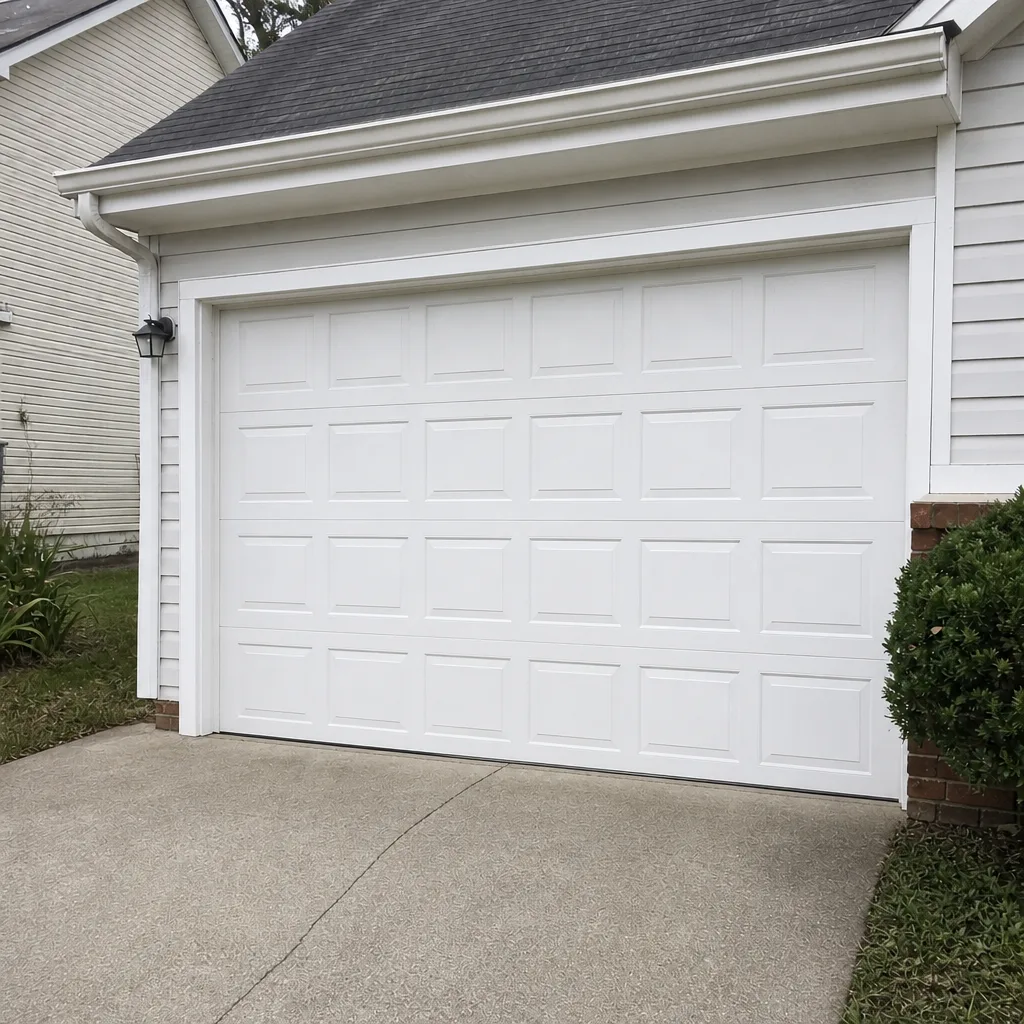
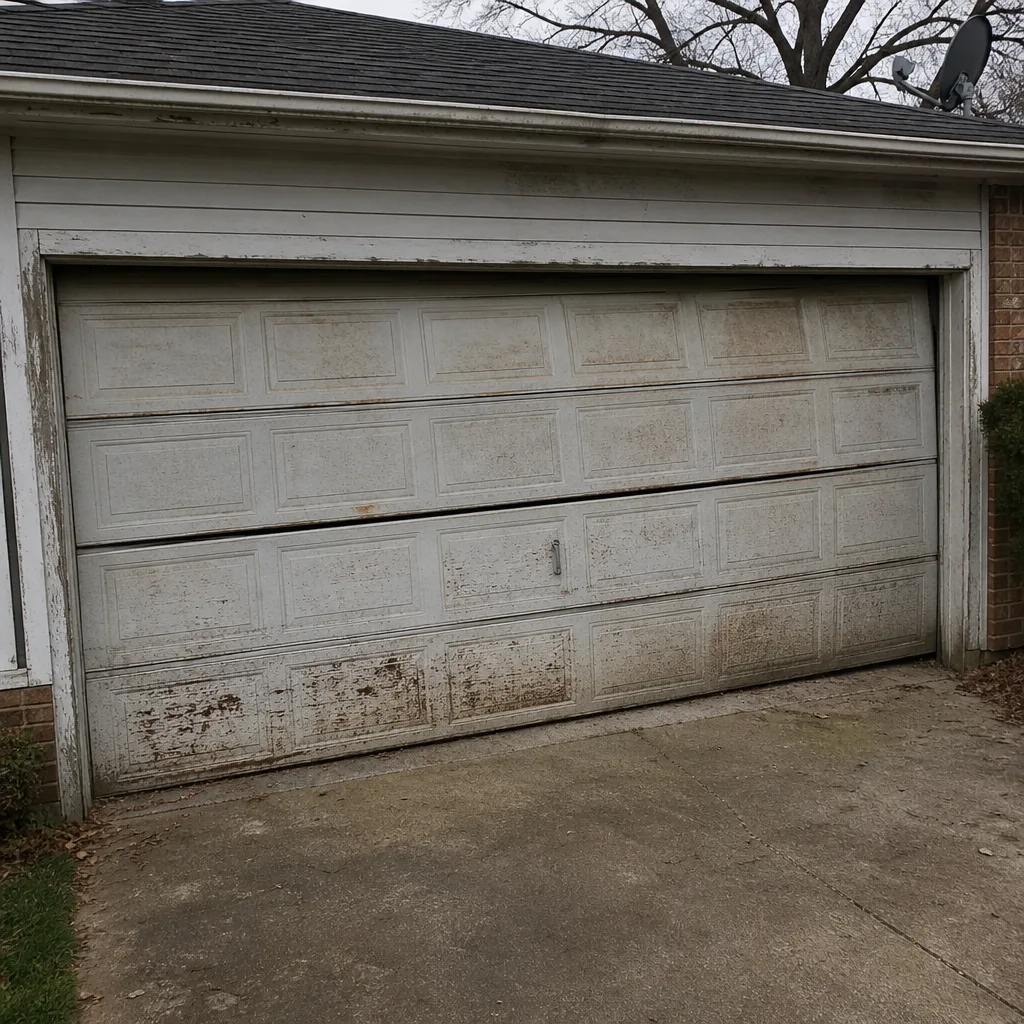
See the difference
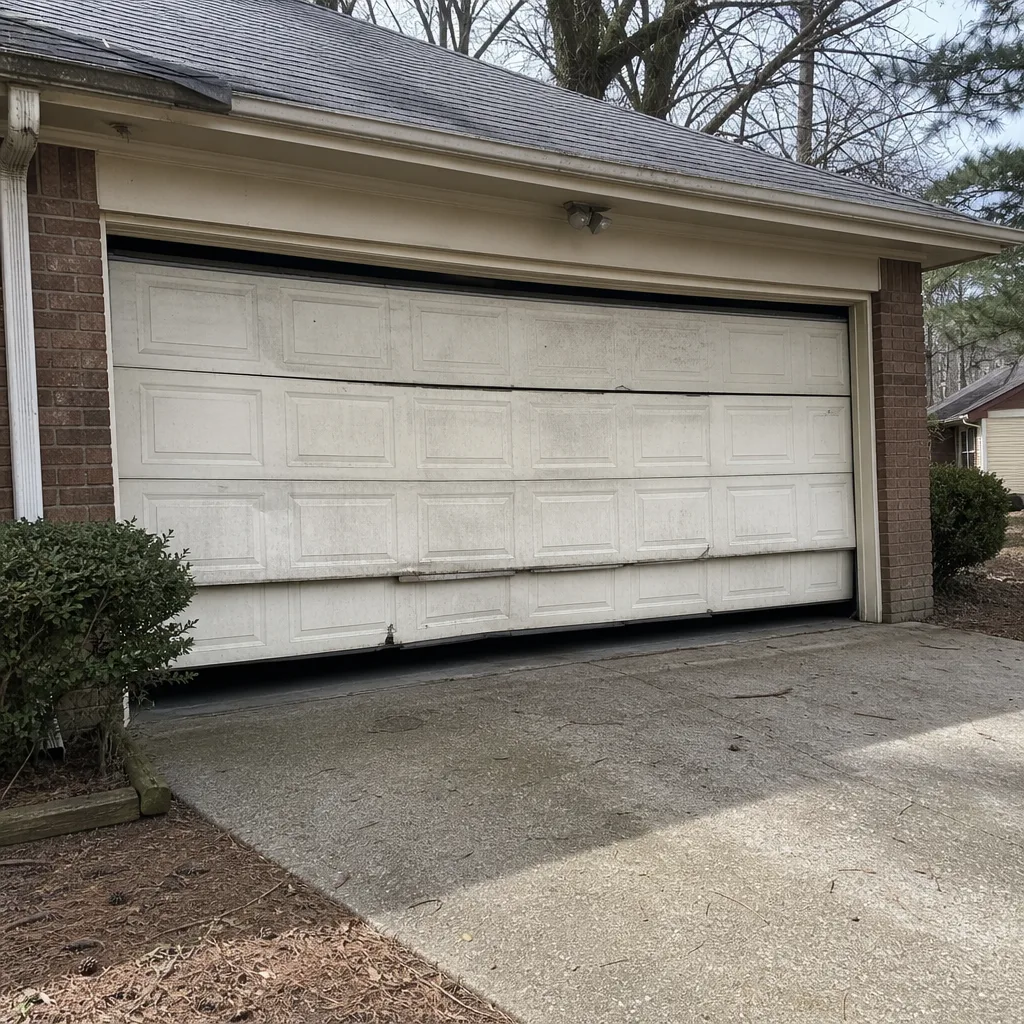 Before
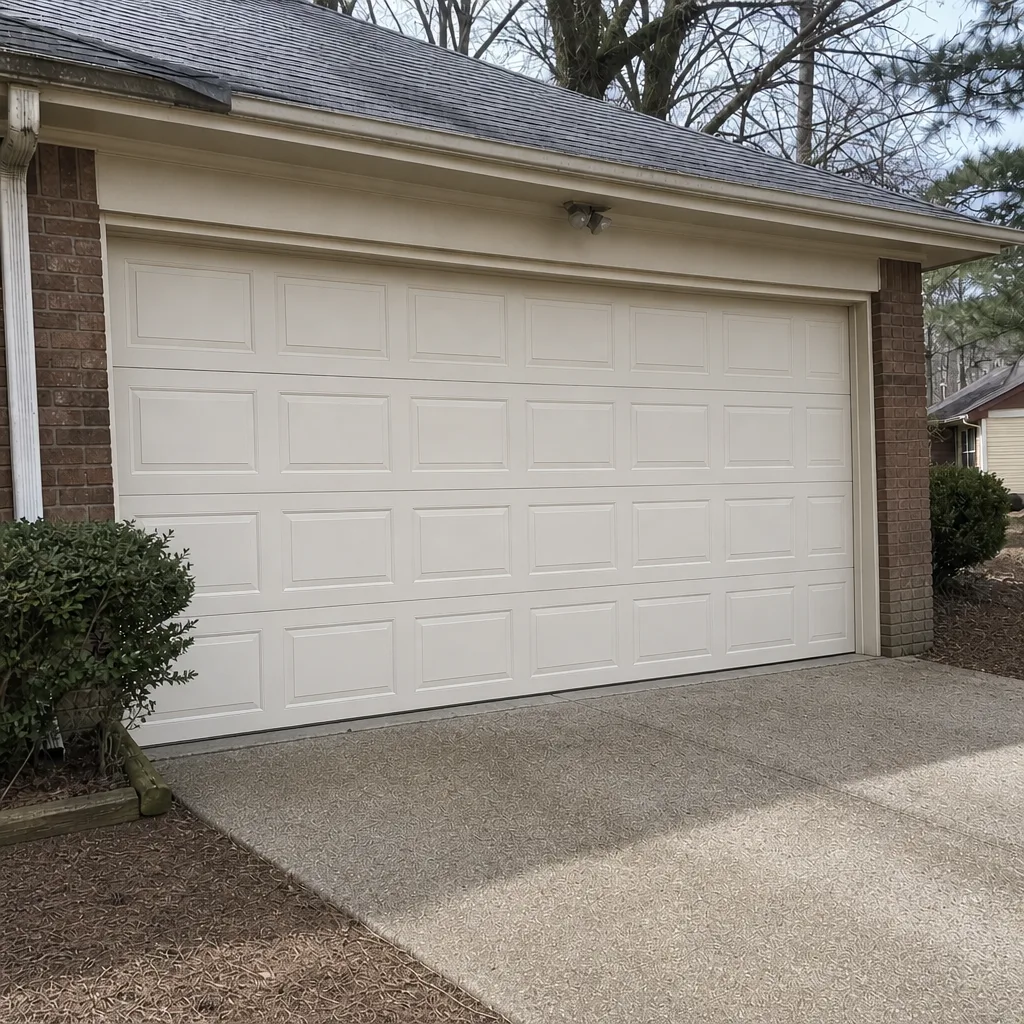 After
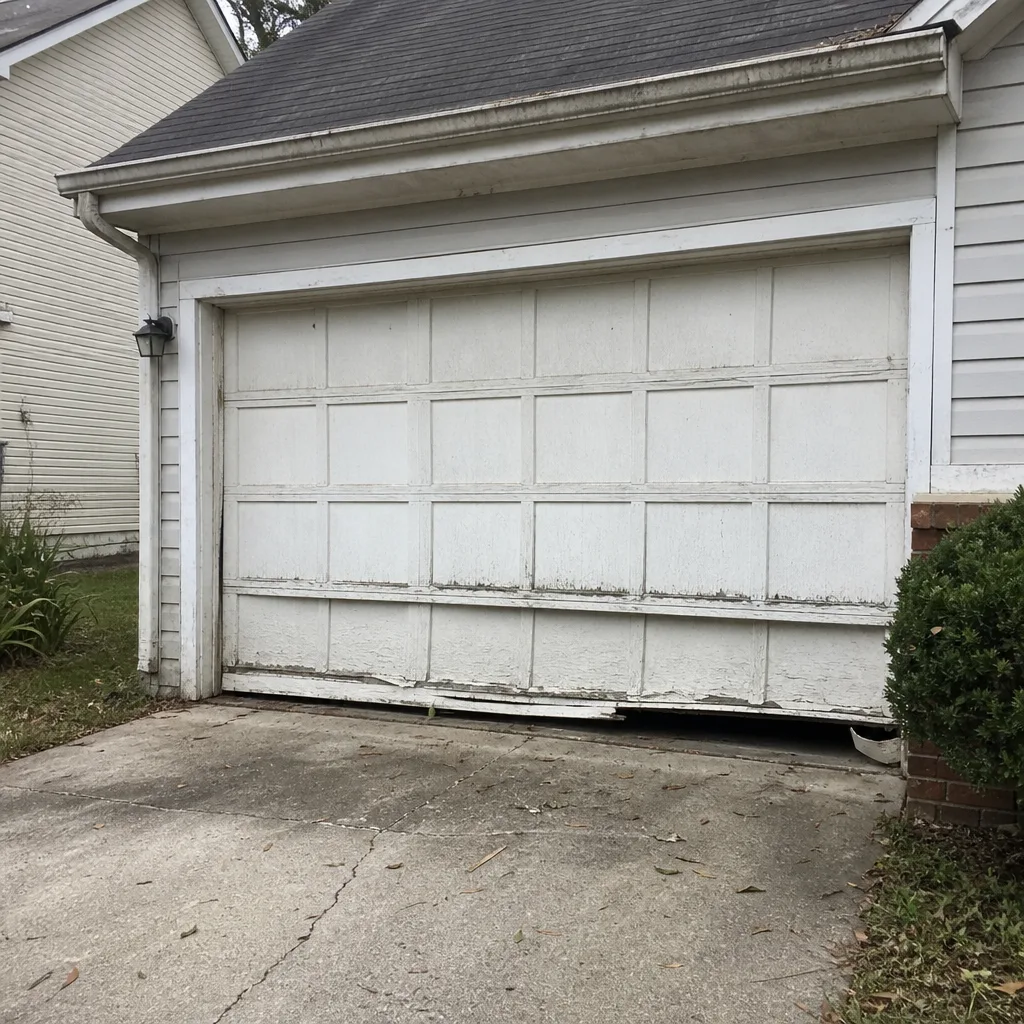 Before
 After
 Before
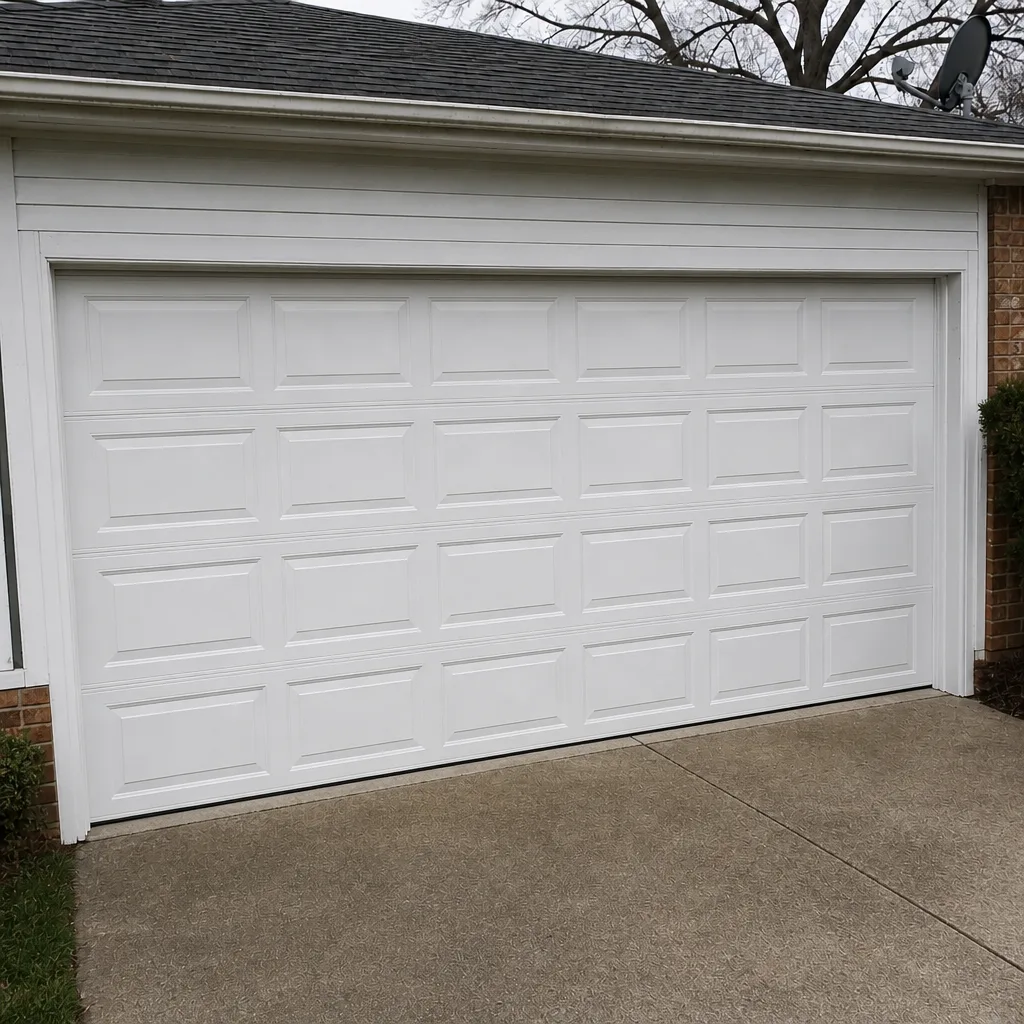 After
When to Call a Professional
Some maintenance is yours to do. Some isn’t. Call a professional when the door fails the balance test, when you hear grinding or see a broken spring, when a cable shows any fraying, when the safety reverse fails, or when the door has come off its track. Those situations put stress on parts that can injure someone if handled without training, and they’re not jobs for a wrench and a ladder.
We also get the calls that aren’t emergencies but still need a trained eye: an opener that acts erratically, a door that’s hard to lift, or a hardware set that’s fifteen years old and starting to loosen. Duluth Garage Door Repair Co offers free estimates in Duluth. If your door is due for its annual inspection or you want a professional to look at what your monthly checks turned up, call (833) 509-5428. For stuck doors where security or safety is at stake, our emergency garage door service gets you seen quickly, and we quote and agree the price before any work starts.
Frequently Asked Questions
A garage door should get a professional inspection once a year and a homeowner’s visual check and lubrication every one to three months, depending on use. Doors that open and close eight or more times a day benefit from more frequent lubrication and a professional check on spring life.
The balance test is the single most valuable thing you can do. It tells you whether your springs are doing their job and whether the opener is carrying weight it shouldn’t. A door that drops fast or rises on its own is telling you the springs or cables need attention. If you’re not comfortable running it, call (833) 509-5428.
Springs are rated in cycles, roughly 10,000 for a standard spring, so a door used four times daily reaches that number in under seven years. Shorter life comes from heavy daily use. Short of a break, the balance test is your best indicator: a door that won’t hold itself up is a sign the springs are worn. Our spring specialists can assess them and replace a matched pair when the time comes.
Yes, for the parts that don’t sit under tension. Rollers, hinges, tracks, and opener hardware are safe to lubricate with the right products. Avoid touching springs and cables under tension; a professional should handle any lubrication or adjustment near them.
Cold weather thickens lubricants, contracts metal, and puts extra stress on worn springs and hinges. The noise often points to parts that are due for lubrication or replacement. A fall inspection in Duluth, before the cold snaps, catches that before it becomes a problem.
October is the best month for a full inspection in Duluth. It’s cool enough to work comfortably, early enough to schedule any repairs before the first real cold snaps, and it lets you clear debris before the seasonal change. Call (833) 509-5428 to book an inspection, and estimates are free.
The Bottom Line
A garage door doesn’t fail all at once. Its parts fail on their own clocks, which is why the right maintenance schedule has four tiers: monthly visual checks, quarterly lubrication, an annual professional inspection, and replacement of wear parts like springs and rollers on a five-to-seven-year window. In Duluth, put the annual inspection on the October calendar so it lands before winter. Keep a log, use the right lubricants, run the balance test, and call a professional before a part fails rather than after. If you want a Duluth specialist to review your schedule or handle the work, Duluth Garage Door Repair Co is here. Call (833) 509-5428 for a free estimate.
Written by the team at Duluth Garage Door Repair Co.