Last updated November 23, 2026
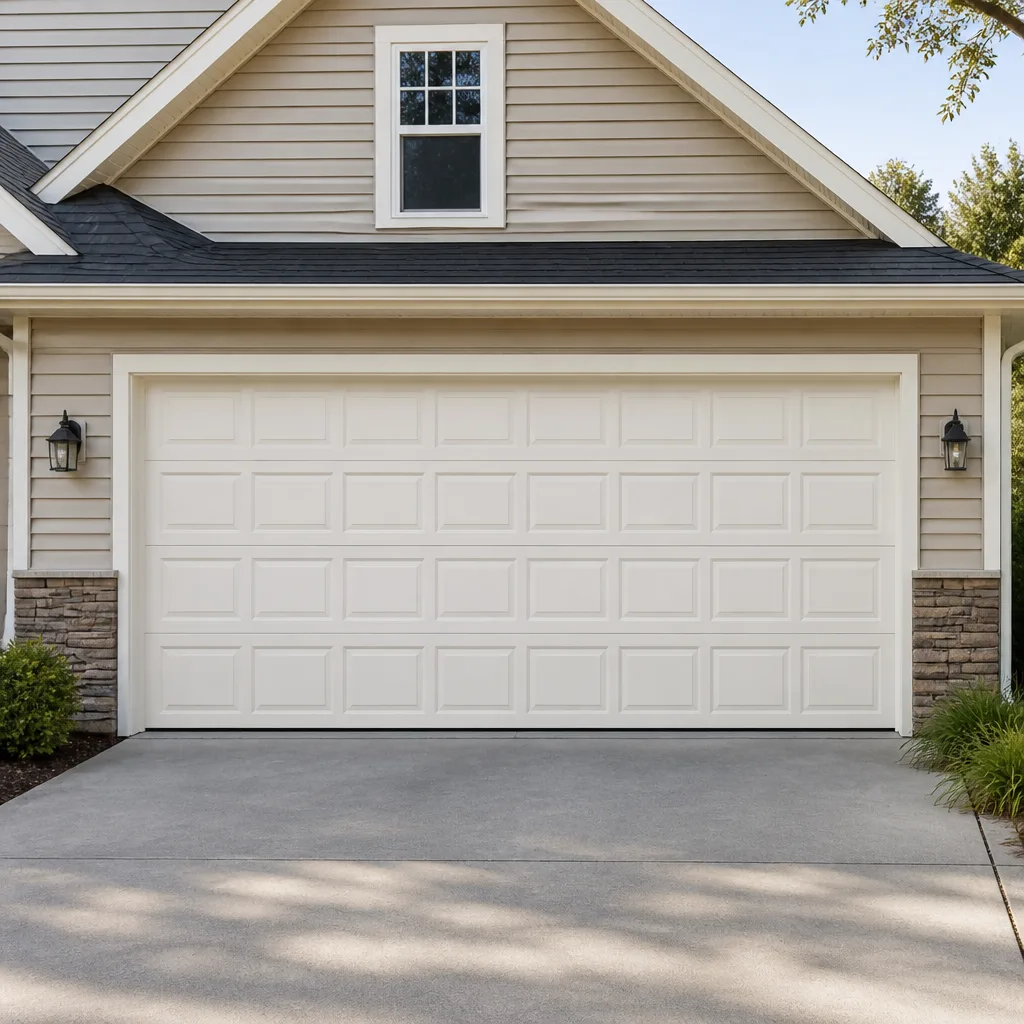 Raised-panel steel
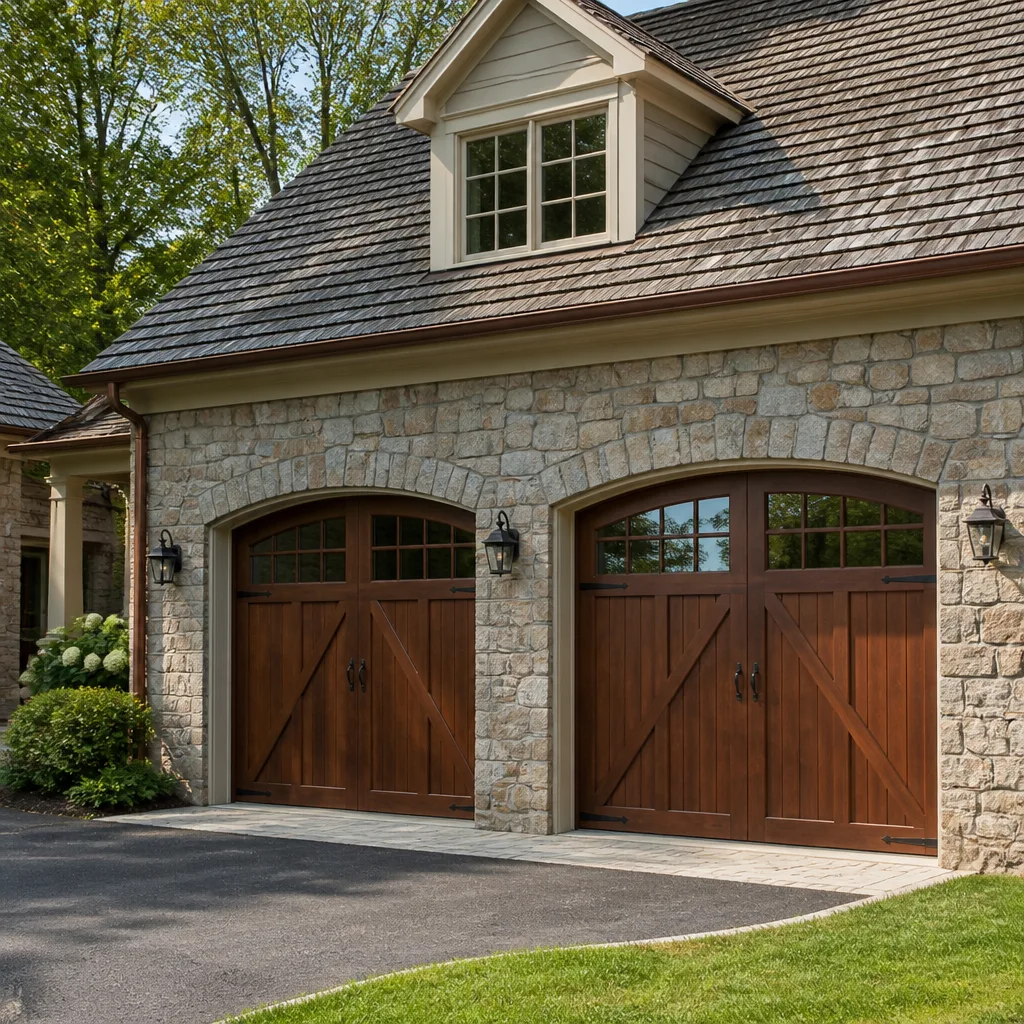 Carriage house
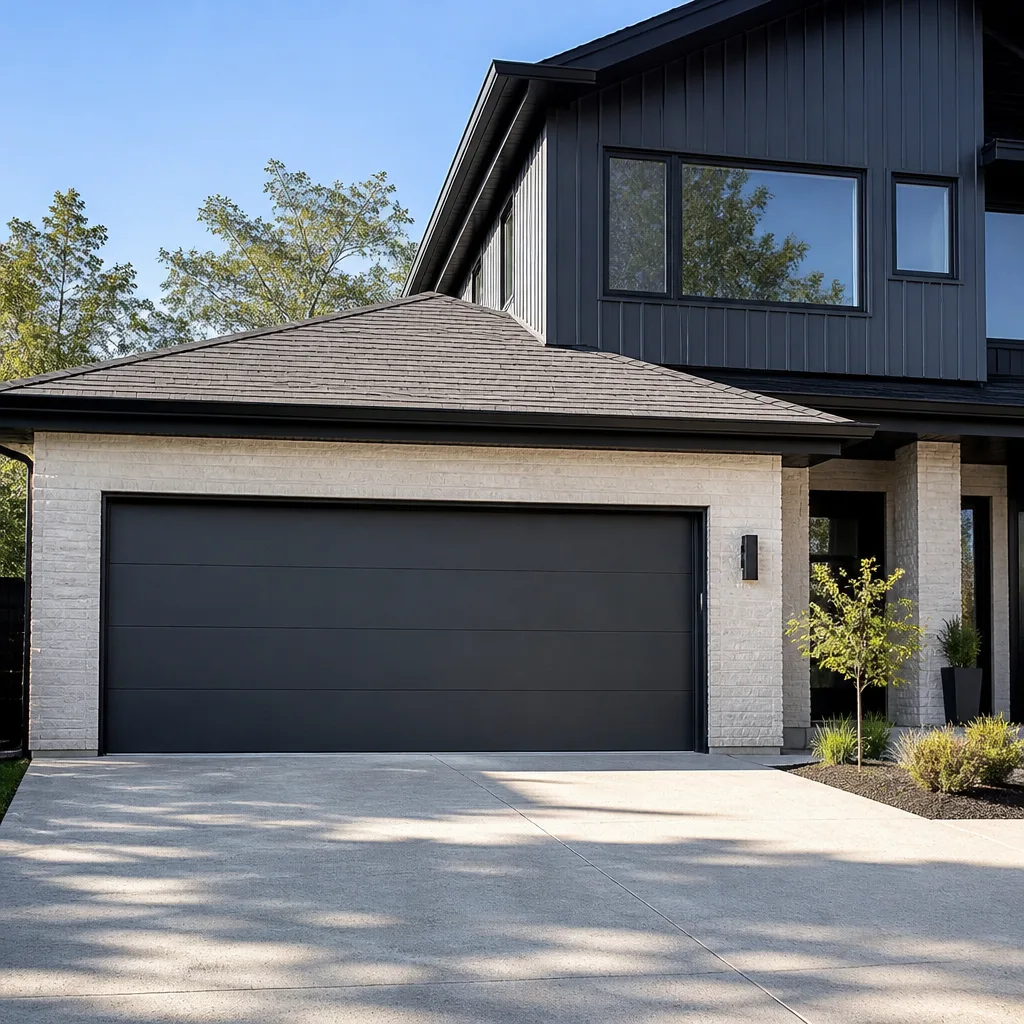 Modern flush
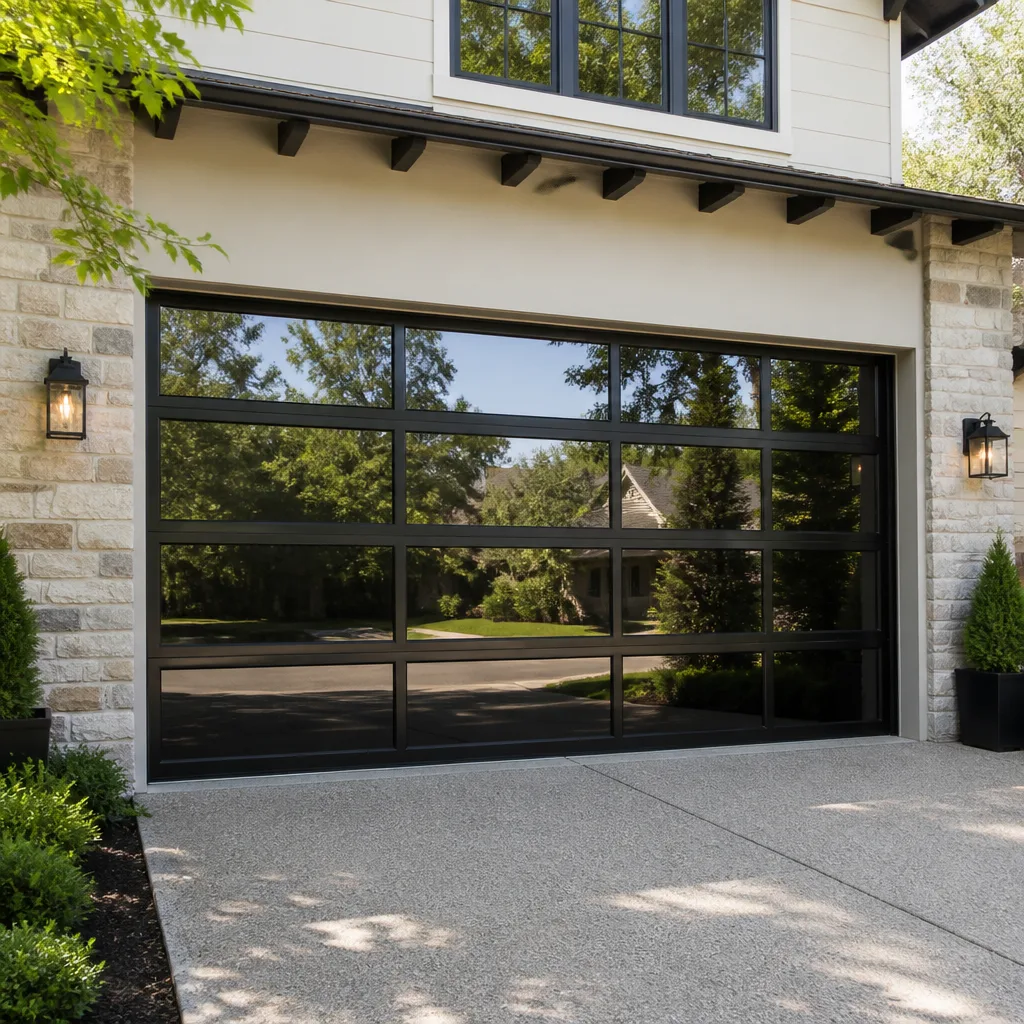 Full-view glass
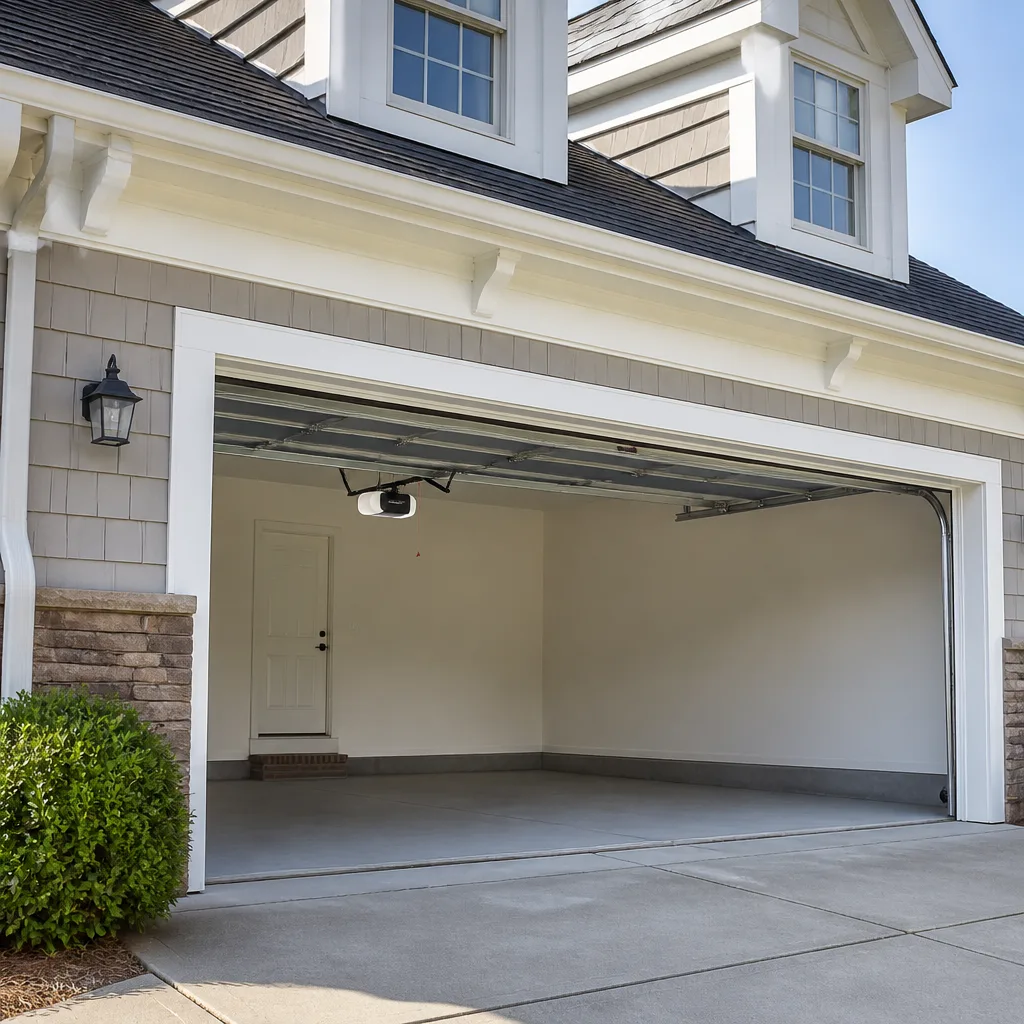 LiftMaster openers
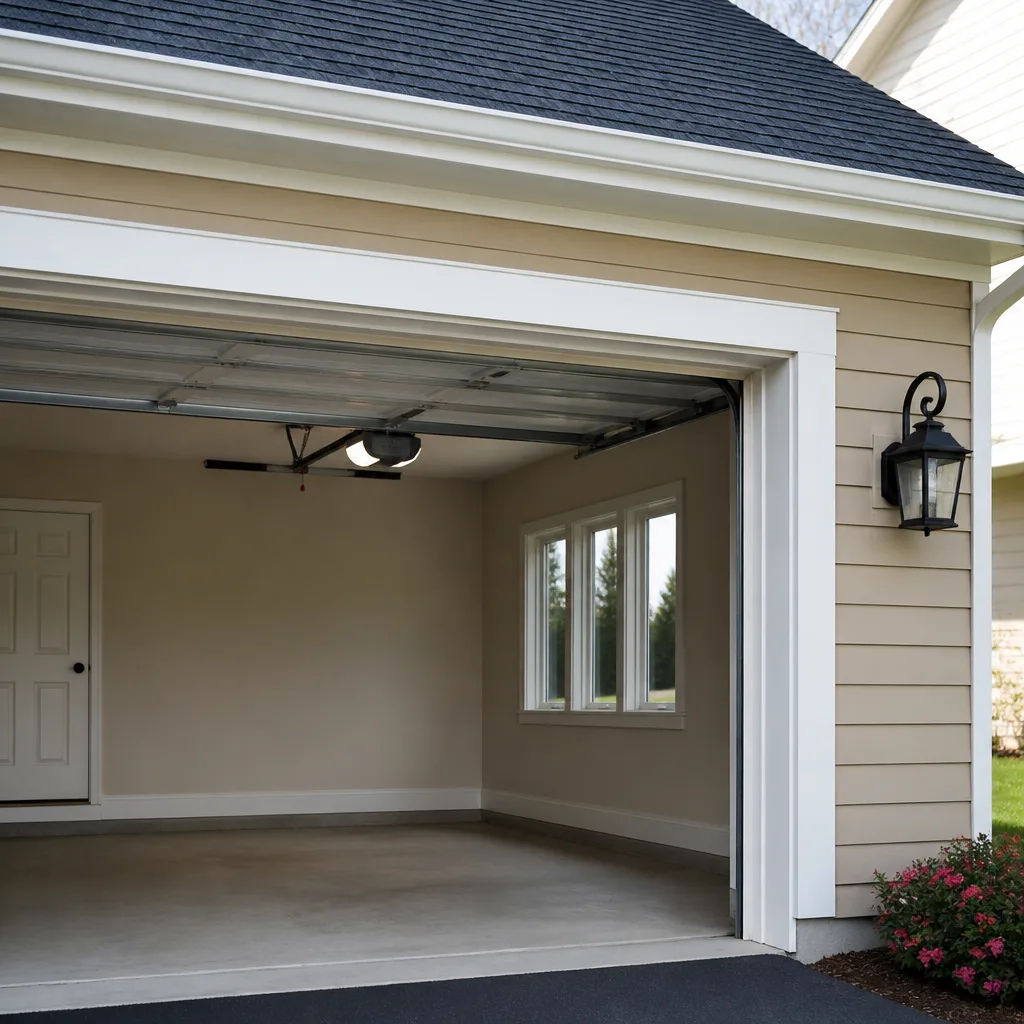 Chamberlain openers
Full 25-point door and opener safety check with every visit - springs, cables, rollers, tracks, and your LiftMaster or Chamberlain opener included
You get a price before we start. It does not change when the pro arrives.
Get your free estimateGarage Door Repair Troubleshooting in Duluth: Common Problems and How to Fix Them
A noisy garage door and a door that won’t close have zero causes in common, yet most troubleshooting guides treat every symptom the same way. That’s why homeowners waste whole afternoons tightening bolts on a track problem that was never about the bolts. We see it constantly in Duluth: a door making a racket gets greased, a door that reverses gets its sensors wiped, and neither fix touches the real fault. This guide maps symptoms to root causes across five mechanical categories, explains how Duluth’s humidity swings and temperature changes drive seasonal failures, and tells you exactly where the screwdriver stops and the phone call starts.
Quick Answer
Most garage door problems trace back to one of five categories: noise and movement, the door reversing or refusing to close, opener and remote faults, cosmetic wear, or structural failure of springs, cables, tracks and panels. Diagnosing which category you’re in takes about two minutes of listening and watching. Anything involving torsion springs, cables or a door that has dropped is a professional job, not a DIY repair.
Styles & brands we work with
- Raised-panel steel
- Carriage house
- Modern flush
- Full-view glass
- LiftMaster openers
- Chamberlain openers
Table of Contents
- The Symptom-to-Category Diagnostic Tree
- Why Duluth’s Humidity and Temperature Swings Break Specific Parts
- Noise Problems: What Each Sound Actually Means
- Movement and Balance Failures
- Remote, Sensor and Opener Faults by Brand
- Cosmetic vs. Structural: Which Problems Can Wait
- The Two Repairs That Look DIY-Friendly but Aren’t
- The Decision Checkpoint: What “Fixed” Actually Looks Like
The Symptom-to-Category Diagnostic Tree
Every garage door fault announces itself through one of five channels, and each channel has a different entry point. Walking the tree below before you touch anything saves you from chasing the wrong fix. In our experience across Duluth homes, roughly a third of the calls we take are for something the homeowner has already attempted to repair in the wrong category.
Here’s how to sort your symptom:
- You hear something unusual, but the door opens and closes. That’s a noise category problem: rollers, hinges, springs under load, or a loose panel.
- The door moves abnormally, or doesn’t move at all. That’s a movement or balance problem: springs, cables, tracks or the opener’s drive mechanism.
- The door works from the wall switch but not the remote, or reverses on the way down. That’s an opener, remote or sensor fault.
- The door works fine but looks wrong. Dents, rust spots, peeling paint, cracked panels: cosmetic.
- Panels are separating, the track is bent, or the door hangs at an angle. That’s structural, and it needs to be assessed before anyone runs the door again.
The reason this matters is that the categories don’t overlap. Greasing a track does nothing for a reversing door. Re-pairing a remote does nothing for a balance problem. When the door reverses, the safety sensors are using an infrared beam that your opener interprets as an obstruction. When the door is noisy, the rollers are riding against metal. Two completely different systems. If you can name the category, you’ve already ruled out most of the internet’s advice.
The tree also tells you when to stop. Categories one and three are usually worth a quick look. Categories two, four and five range from “watch it” to “don’t run it until someone qualified has looked.” If you’re seeing any structural symptom and you’re looking for garage door repair in Duluth, get the door assessed before you cycle it again. A door that’s torquing on a bent track can tear a panel loose.
Why Duluth’s Humidity and Temperature Swings Break Specific Parts
Duluth’s summers are humid and its winters bring hard freezes, and that combination moves garage door components in ways the generic troubleshooting scripts never mention. Wood door panels swell with moisture in the summer and shrink in the cold. Steel panels expand in the heat of a July afternoon and contract sharply on a January night. Both movements put stress on the same small parts.
Here’s how it plays out through the year:
- Summer humidity: Wooden doors can swell enough to bind in the frame or trip the opener’s force settings. Metal tracks can shift as the anchor points move against the slabs they’re bolted to. Grease on rollers thins and drips, so lubrication that was right in April isn’t doing anything by August.
- Winter cold: Steel panels contract and pull gently on hinges and fasteners. Rubber weather seals get stiff and crack before they actually fail, so air and water get in around the perimeter before you notice the gap. Lubricant that was fine in summer thickens enough to slow the rollers.
- Spring and fall transitions: The biggest temperature swings happen over days, not months. That’s when doors that have been perfectly fine all season start making new noises or reverse halfway down, because the force settings on the opener are set for a temperature the mechanism no longer is.
The practical result is that a lot of “sudden” garage door failures in Duluth aren’t sudden. They’re the third or fourth cycle of a stress that’s been building since the season changed. If your door gets noisier in the same month every year, or acts up after a hard cold snap, you’re looking at a seasonal issue, not a mechanical one.
One quick check for Duluth homeowners: after the first big temperature swing of the year, watch the door’s first two or three cycles closely. If it stutters, reverses, or hangs for a second mid-travel, the opener’s force limits and travel limits need adjusting. Those settings are there precisely to account for seasonal movement. When they’re wrong, the opener fights the door instead of moving it. Our garage door opener repair service covers that adjustment, and we handle all the major brands so the diagnosis is specific to your unit rather than a process of elimination.
Noise Problems: What Each Sound Actually Means
You can learn a surprising amount about a garage door by listening to it, and Duluth homeowners who can describe the noise in plain language get to a fix much faster. Most sounds come from one of four parts, and each has a signature.
Squeaking, high-pitched
Usually the rollers or hinges. Dry hinge pins, worn plastic roller bearings, or rubber rollers that have hardened with age. This is often the cheapest fix on the list: proper garage door lubricant on the hinge pins and roller bearings, not WD-40, not motor oil, not whatever’s in the shed.
Grinding or scraping
The door is rubbing against something: a bent track, a roller out of its track, a panel that has moved out of alignment, or a weather seal dragging where the opening has shifted. Grinding gets worse fast. If you hear it, stop cycling the door until you know what’s rubbing, because continued operation will wear through the surface and can turn a track adjustment into a panel replacement.
Rattling or thumping
Usually a loose hinge fastener, a panel that’s separated from its neighbors, or a piece of hardware that has worked loose over the winter. Rattling rarely means something is about to fail, but it’s often the first sign of a structural problem beginning. If the rattle comes with a visible gap between panels, treat it as structural.
A single loud bang
That’s a spring breaking, and it doesn’t sound like anything else. If you hear it, stop using the door and don’t try to lift it manually. A door with a broken spring is dead weight, and lifting it yourself can drop it back down on whoever’s underneath. That’s a garage door spring repair call, handled by a technician, not something to attempt.
The useful rule: noise that gets worse over weeks is usually wear. Noise that appears suddenly is usually a break or a loose part. Noise that appears after a temperature swing is usually the opener fighting the door. Each of those sends you somewhere different, and none of them are fixed by tightening things reflexively. We’ve seen plenty of Duluth jobs where a homeowner tightened every bolt on the door trying to chase a squeak that turned out to be one dry roller.
Movement and Balance Failures: The Category You Shouldn’t Touch
If the door won’t open, opens partway and stops, hangs at an angle, or sags closed on its own, you’re in the movement category, and this is where DIY troubleshooting starts to carry real risk. Movement failures trace back to four components: torsion springs, extension springs, cables, or tracks. Understanding which one is failing is useful. Fixing it yourself usually isn’t.
Here’s what each failure looks like:
- Spring failure: the door won’t lift, or lifts a few inches and stops. You may see a visible gap in a torsion spring, or hear a bang at the moment it let go. A door with a broken spring on one side of a matched pair should not be run at all, because the remaining spring is now bearing the full load and is far more likely to fail next.
- Cable failure: the door sags on one side or hangs at a tilt. Cables are under constant tension, and a worn one can snap without warning. Depending on the design, a snapped cable can whip with significant force.
- Track problem: the door binds, jumps, or comes off the track on one side. A bent track can be either cause or result. If a door comes off the track, don’t try to force it back into place with a pry bar, because you can bend a panel or position a roller badly enough to jam the door shut entirely.
- Balance problem: the door is heavy to lift or won’t stay up when you raise it halfway. That points to spring tension that’s out of adjustment, which is exactly the setting that shouldn’t be adjusted without the right tools and training.
If you’ve narrowed your Duluth issue down to movement and you can’t identify which component has failed, the safest move is to stop. Leave the door where it is, remove nothing, and call for an assessment. Diagnosing balance problems on the spot is standard work for a specialist, and it’s the kind of thing our team handles routinely across Duluth homes.
Remote, Sensor and Opener Faults by Brand
The third category, opener and sensor faults, is the one where brand knowledge actually changes the diagnosis. Opener manufacturers embed their diagnostics in different formats, and a homeowner who knows their own unit’s signals can narrow the problem down in a minute rather than an hour.
What each brand shows you
- LiftMaster: tends to report faults through error-code flashes on the opener head or the wall control. The code number tells you which system has tripped, so write down the code and how many times it repeats.
- Chamberlain: usually signals through beep patterns. A set number of beeps in sequence points to a specific fault class, so count them rather than describing the sound.
- Genie: leans on sensor LED behavior and travel-limit symptoms. If the door opens fine but reverses at the same point every time, Genie sensors and wall control connections are usually where the problem lives.
- Craftsman: often shows sensor beam problems through affected LED colors on the sending and receiving units. If both are solid, the beam is fine and the trouble is elsewhere.
Whichever unit you have, there are three quick things to check before anything else:
- The obstruction sensors. A door that reverses on the way down is almost always reporting an obstruction. Check for a spider web, a leaf, or a sensor knocked out of alignment. The sensors should be a couple of inches off the ground, aimed at each other, and the LEDs should be solid.
- The wall switch. If the door works from the wall switch but not the remote, the problem is in the remote or the receiver, not the opener’s motor or logic. That’s a much smaller problem.
- The travel and force limits. If the door opens and stops at the wrong place, or closes and re-opens when it hits nothing, the opener’s travel limit has drifted or the force setting is wrong for the current season. That’s an adjustment, not a replacement.
We’re fluent in the major brands because the fault signals really are different. Our technicians are familiar with LiftMaster, Chamberlain, Genie, Clopay, Amarr, Wayne Dalton, Craftsman and Raynor, and we handle opener problems with repair first wherever it’s safe. If the motor’s fine and the door is sound, a replacement isn’t warranted just because something’s not reading right. We work on the brand you already own rather than steering you to a new one.
Cosmetic vs. Structural: Which Problems Can Wait
Not every flaw in a garage door needs a technician today, and treating cosmetic wear as an emergency wastes money just as surely as ignoring structural warning signs risks a bigger repair. The line between the two is clearer than most homeowners think.
These problems usually fall on the cosmetic side:
- Surface rust, especially along the bottom edge where road salt spray collects in winter. Cosmetic unless it’s eaten through the panel.
- Peeling paint on Clopay or Wayne Dalton steel doors. A paint issue, not a structural one, though it does accelerate surface rust.
- Dents and dings from a pulled-in bumper. The door still balances and runs normally.
- A cracked window pane in a panel. Worth repairing, but not a structural failure.
- Faded finish or a scuffed panel. Consider it cosmetic if it’s not letting water into the core of the panel.
These are structural and need a look before the door is cycled again:
- Panels separating from each other or pulling out of their grooves
- Tracks bent out of alignment or pulled loose from the ceiling and wall
- Hinges that have torn away from the panel rather than loosened
- Any visible spring or cable failure, including a door that’s lost tension on only one side
- The door hanging visibly at an angle or binding in the frame
For Duluth homes with a wood door, cosmetic and structural can blur during a wet summer. A door that’s been swelling in the frame is a cosmetic paint issue until the swelling starts binding the rollers, at which point the panels are under load they weren’t designed for. Check the door in late summer, when humidity is at its worst. If the panels have swelled enough to scrape the frame, address it then rather than waiting for winter, when the swelling goes down and the problem hides again.
Amarr and Wayne Dalton steel doors can develop a similar pattern around the weather seal. Aging rubber compresses and lets water and air into the gap below the bottom panel, and that water sits there. The seal is cheap to replace and worth replacing before the door edge rusts.
The Two Repairs That Look DIY-Friendly but Aren’t
Torsion spring adjustment and cable work are the two jobs homeowners attempt most often and should attempt least. Both look like they involve a wrench, a bit of muscle, and a YouTube video. Neither is.
Why torsion spring adjustment is dangerous
A torsion spring stores enough mechanical energy to lift the full weight of a garage door. To adjust it, you have to release and re-tension that energy with two winding bars. If the bar slips out of the winding cone while the spring is under load, it swings free with the force of the stored energy behind it. That’s not a scenario where you get a bruise and try again. It’s a scenario that causes serious injury in domestic garages where somebody watched a video.
Spring repair is a core service for us because it’s dangerous without the right training, and it’s also one of the highest-tension, highest-risk components in any garage door system. There’s no shame in that being a professional job. It’s the correct classification.
Why cable work is dangerous too
Lift cables run under constant tension and, depending on the door’s design, the energy they carry when they fail can be considerable. Routing a new cable without securing the door’s spring tension correctly, or without the right restraint on the door, risks the door dropping while someone is underneath it. If you have any doubt about your cable’s condition, leave it and get it assessed.
What you can actually do yourself
Plenty of tasks are genuinely safe:
- Lubricate rollers, hinge pins, and the torsion spring with proper garage door lubricant
- Align or clean the obstruction sensors
- Re-pair a remote by following the opener’s pairing procedure
- Adjust the opener’s travel and force limits per the manual
- Replace a worn weather seal
- Tighten hinge fasteners that have come loose without any panel separation
Anything else in the movement category should be diagnosed by a trained technician. Our team handles spring and cable work as standard, not as an emergency-only service.
The Decision Checkpoint: What “Fixed” Actually Looks Like
Here’s the pattern we see most in Duluth: a homeowner fixes something, the symptom goes away, and they assume the door is fine. A week later it’s back, worse, or it’s a different problem in the same category. A symptom that disappears temporarily is usually a symptom that’s been masked, not repaired.
Before you declare a fix done, run this checklist:
- The door cycles cleanly three times in a row, opening and closing fully, without slowing, stuttering or reversing.
- The door balances. Disconnect the opener with the manual release (pull it while the door is closed so it’s not holding the door’s weight mid-travel) and lift the door roughly halfway. It should hold its position, not slide down or up on its own. Reconnect and cycle again.
- The noise has stopped at the source. If it squeaked from the rollers and now the rollers are quiet but a hinge is starting to creak, you fixed one thing and found another. That’s a new problem, not the same one returning.
- The opener’s light and remote behave the same as before the problem started. A door that cycles fine but the remote drops out intermittently hasn’t been fixed.
- The sensors show solid LEDs, and the door closes all the way without reversing. If it still reverses every third attempt, you’ve masked an obstruction issue, not repaired it.
The clearest sign of a temporary fix: the door behaves for a few cycles, then acts up exactly the way it did before. If the same symptom is back within a week of your repair, the underlying cause is still there. That’s when you stop troubleshooting and get it properly diagnosed. Our technicians have up to 9 years of experience across these categories, and the difference between a temporary fix and a real one is usually a diagnosis made before the wrench comes out.
Common Mistakes to Avoid
- Greasing everything to fix a noise. Lubricating the wrong parts, like the track itself, attracts dust and grit that grind into the rollers. Lubricant goes on hinge pins, roller bearings, and spring coils, not on the tracks.
- Forcing a door that’s off the track back on with a pry bar. That’s how a bent roller becomes a torn panel and a jammed door. In Duluth’s winter temperatures, cold steel is more likely to crack when pried than it would be in summer.
- Replacing the opener when the door is the problem. If the door is heavy or binding, a new opener inherits the same load. Diagnose the door first, because the opener works fine right up until it doesn’t. Our Duluth Garage Door Repair Co team sees this one regularly.
- Testing a door with a broken spring. Running it or manually lifting it can drop the whole door’s weight. Leave it, and call.
- Adjusting torsion springs yourself. The winding bar risk is real and not overstated. There’s no safe shortcut here.
- Ignoring a change in the door’s sound after a temperature swing. That’s the opener fighting the door, and it will keep getting worse until the force settings are corrected.
- Treating a summer-swollen wood door as fine because it opens. Swelling that starts binding rollers needs attention while it’s still a paint-and-adjustment problem, not after it’s a panel replacement.
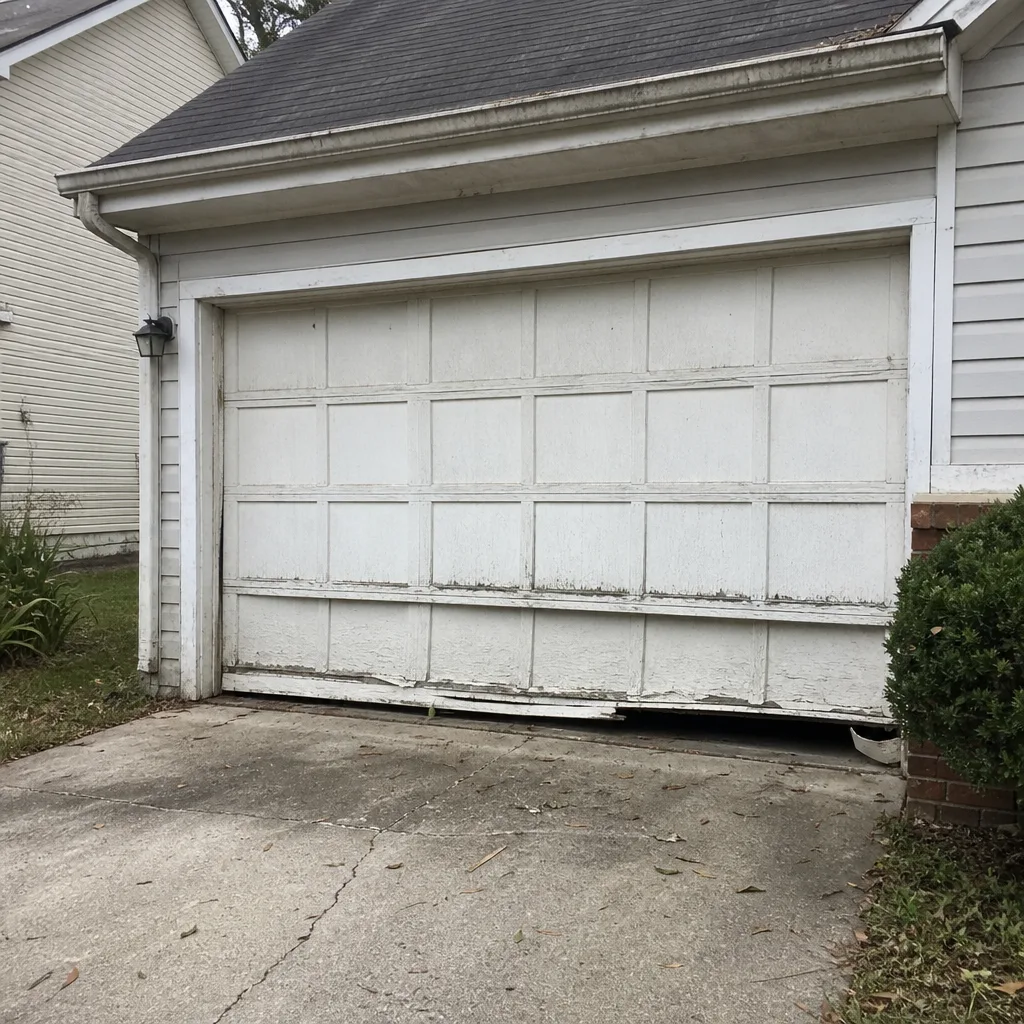
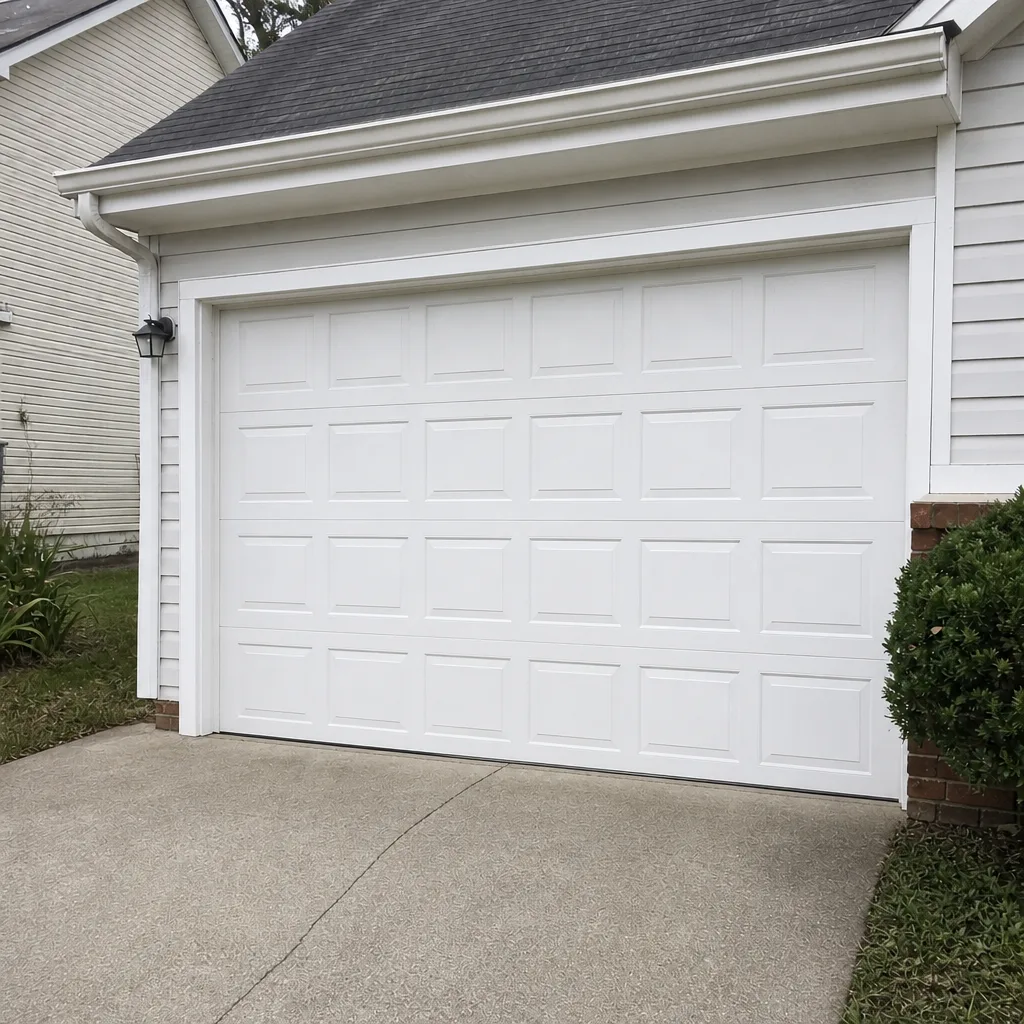
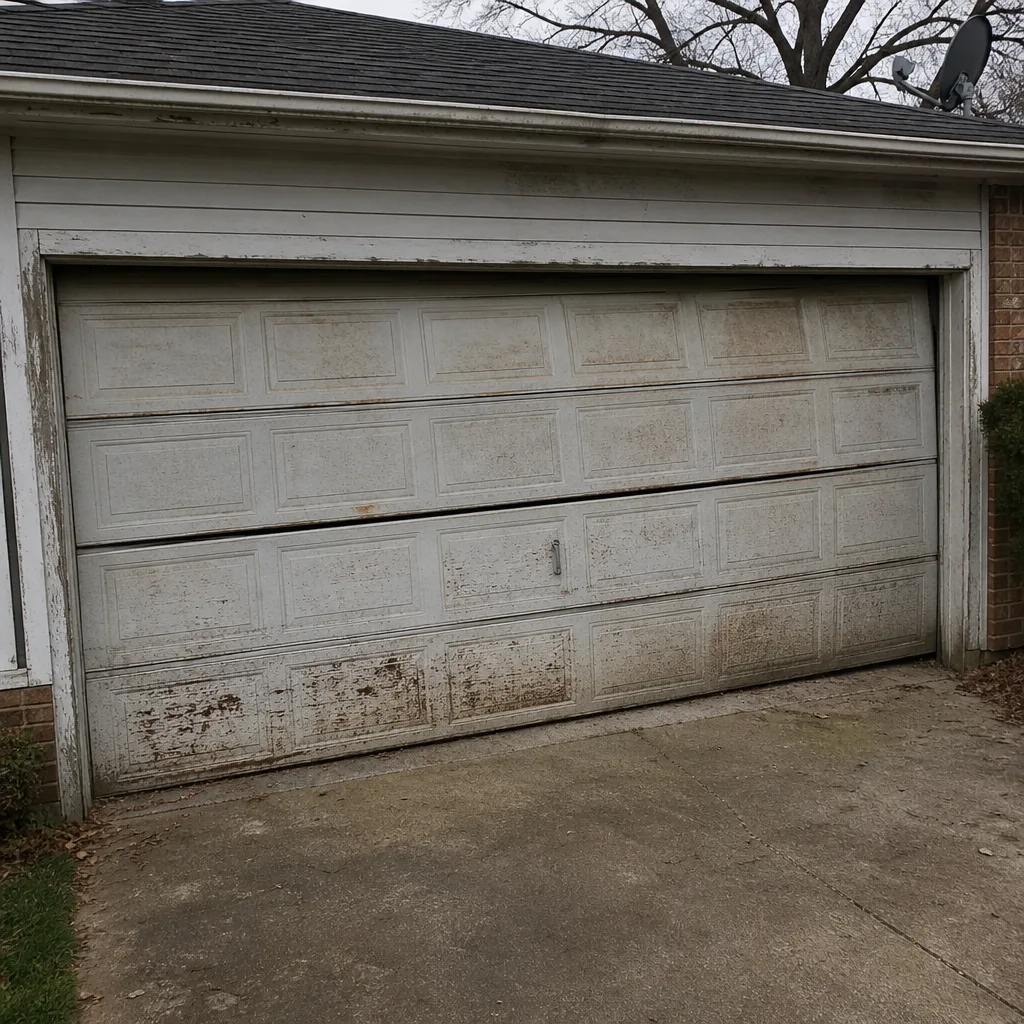
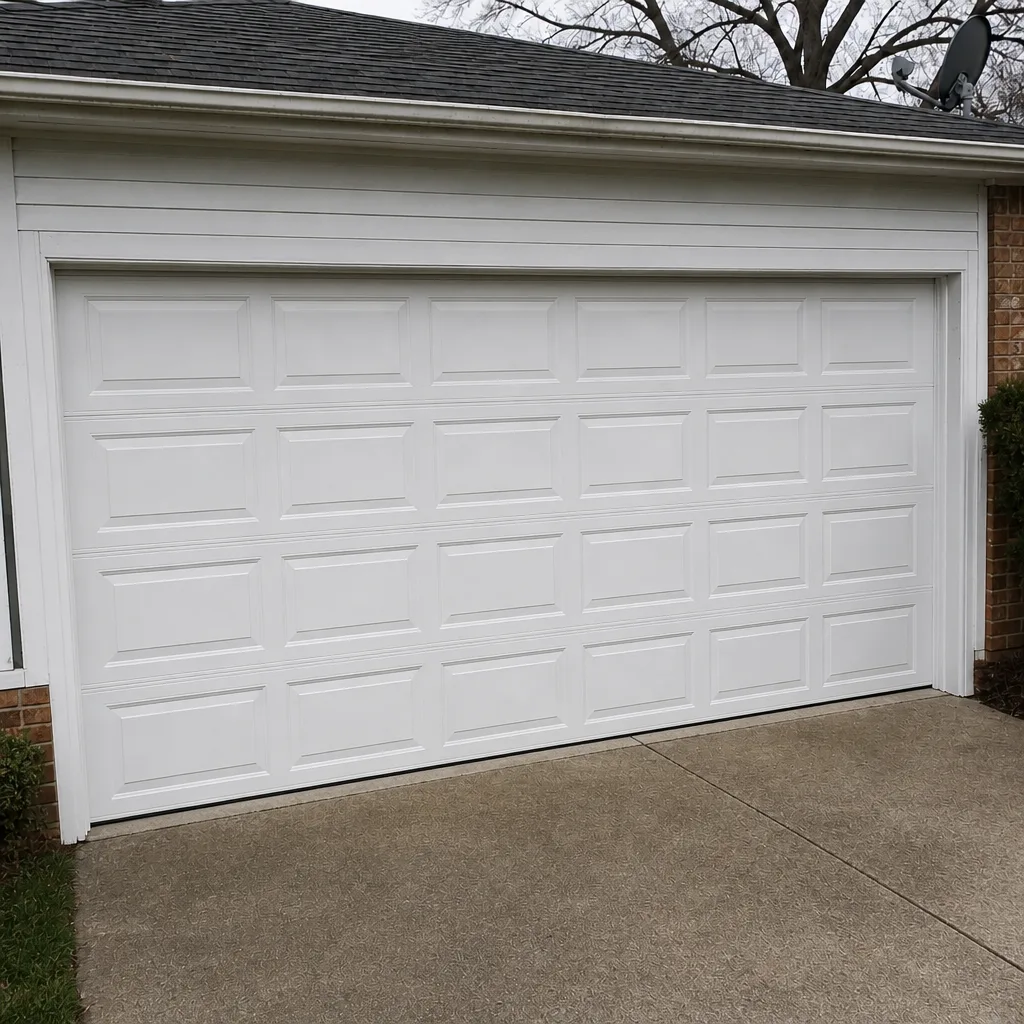
See the difference
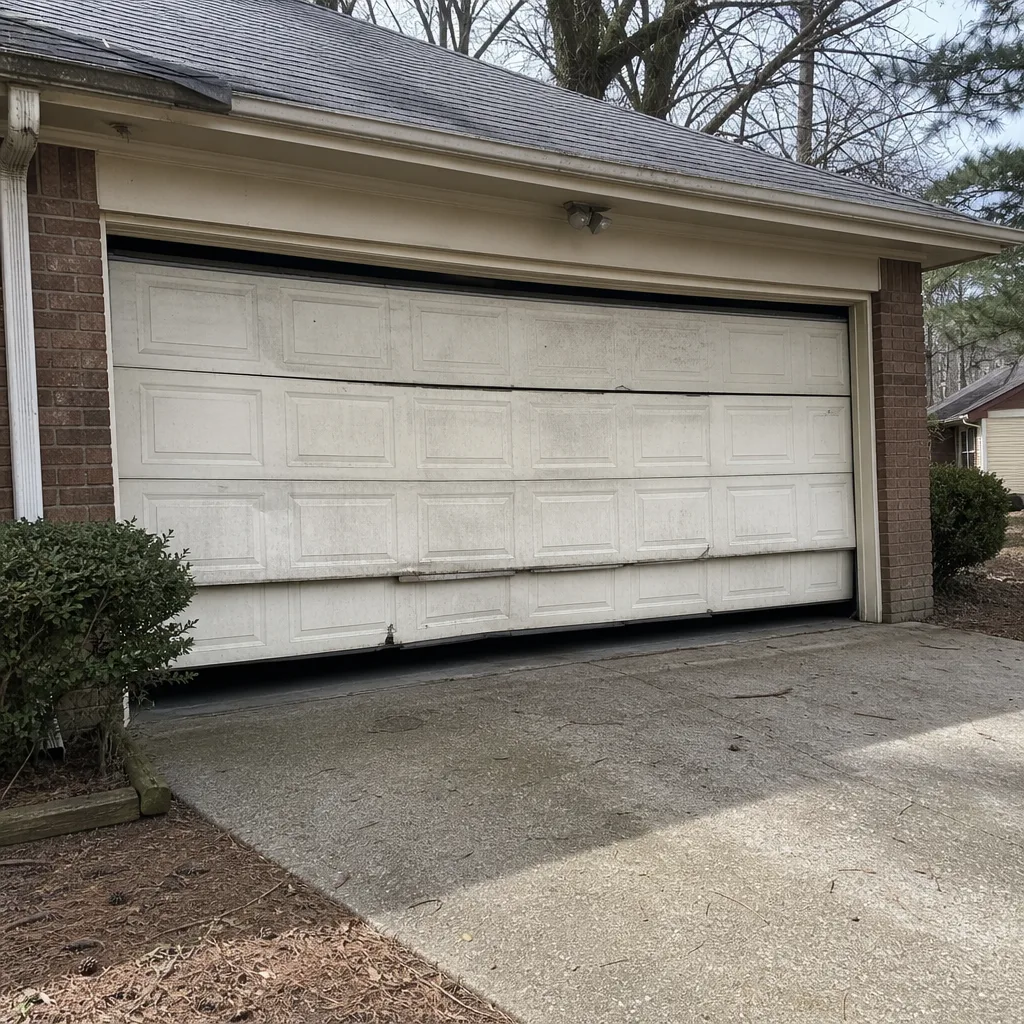 Before
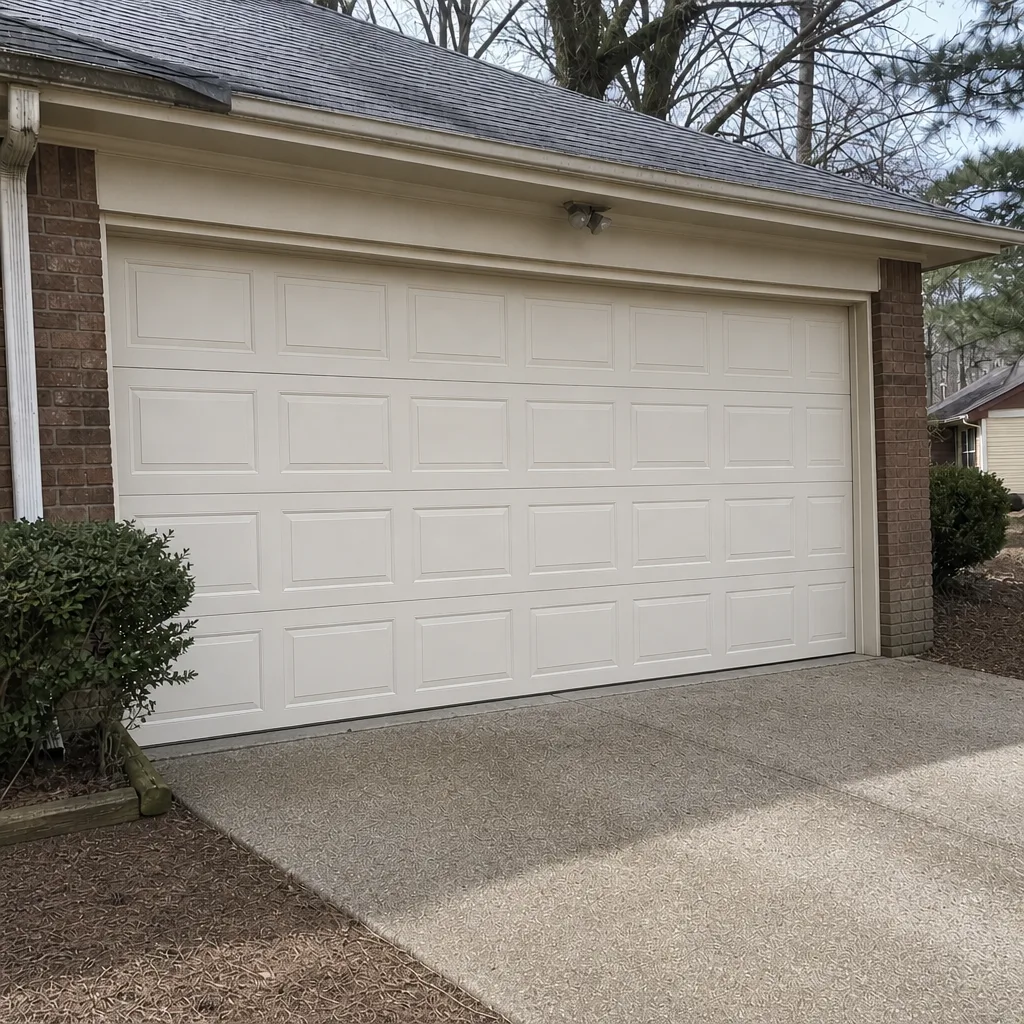 After
 Before
 After
 Before
 After
When to Call a Professional
Call for professional diagnosis when the door won’t open or close, hangs at an angle, shows a visible spring or cable failure, comes off the track, or reverses for no reason you can spot. Also call when the door behaves for a few cycles and then reverts, because that’s a masked symptom rather than a repair. And call for anything in the movement category if you’re not sure which component has failed, because guessing on springs and cables carries injury risk. Duluth Garage Door Repair Co offers free estimates in Duluth, and we carry emergency service for urgent door failures so a stuck door doesn’t leave the house open. Call (833) 509-5428 for same-day repair or to schedule a free estimate. The quote is agreed before any work starts, so the number you say yes to is the number you pay.
Frequently Asked Questions
Typical repair costs in Duluth range from around $120 to $350 depending on the problem, with spring and cable work at the upper end because of the labour and the safety procedures involved. Cosmetic and adjustment jobs sit at the lower end. The written estimate sets the final price, and we quote before any work begins. Call (833) 509-5428 for an exact quote, and estimates are free.
Yes, we offer emergency garage door service for urgent failures, and we aim to get a technician out the same day for a door that won’t close or has lost a spring or cable. Call (833) 509-5428 and we’ll confirm timing when we take the call. Spring repairs are one of our core services, so a stuck door gets a proper diagnosis rather than a temporary patch.
No, the price we quote in writing is the price you pay, and we agree it with you before any work starts. If a technician finds a second problem while fixing the first, they’ll show you what it is and quote it separately, and nothing runs without your say-so. CALL for a free estimate on either part.
The local professionals we connect you with are licensed and insured as Georgia requires, and they’re experienced with the major garage door and opener brands. We can work with your insurer on any claim. Call (833) 509-5428 with your questions.
The cold drives it, and it’s usually one of two things. Metal parts contract on a hard winter night, and the lubricant thickens enough to slow the rollers. The opener’s force setting is also set for a temperature the mechanism isn’t at anymore, so it works harder and sounds louder. Re-lubricating with proper garage door lubricant before the first freeze and adjusting the force limits solves most cases, and we can check both for you.
No, not safely. A torsion spring holds enough stored energy to lift the full weight of the door, and releasing it incorrectly with a winding bar can cause serious injury. Spring repair is a job for a technician with the right training and tools. Call (833) 509-5428 and we’ll handle it, with a free estimate before we start.
The Bottom Line
Most garage door faults sort cleanly into one of five categories, and the category tells you whether to reach for a screwdriver or a phone. Noise and cosmetic problems are usually safe to look at. Movement problems, especially springs and cables, aren’t. Duluth’s seasonal humidity and temperature swings drive a predictable set of failures, so a door acting up in the same month every year has a seasonal cause, not a mystery. Fix the real problem, verify it stayed fixed, and don’t chase the symptom that just moved. Our technicians have up to 9 years of experience across the major brands, and we cover repair through full installation, so you’re not starting over with a new company when it’s time for a new door.
Call (833) 509-5428 for a free estimate. We quote before any work starts and agree the price with you first.
Written by the team at Duluth Garage Door Repair Co.